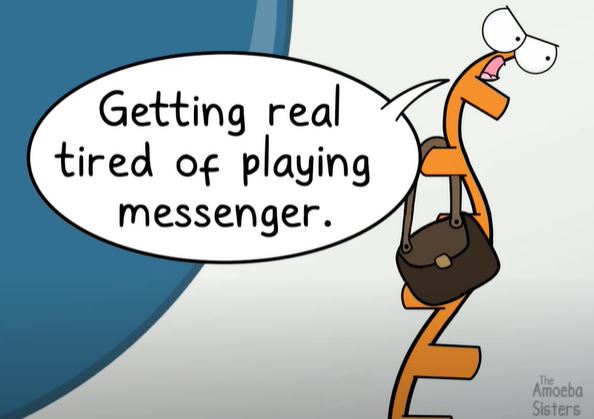
Soon after co-discovering the double helix, Francis Crick coined the term “central dogma of biology” to illustrate the flow of genetic information within biological systems. The basic idea is simple: DNA is the king of the cell, proteins are its major workforce, and RNA is a sort of a middle manager. He later admitted that dogma was a poor word choice for a rule that has exceptions. Indeed, he became one of the proponents of the RNA world hypothesis, where RNA is the primordial substance in the evolutionary history of life on Earth. We can only guess what the great British scientist might say about RNA taking the stage today.
Continue reading

 “Wow! Badass. 13,200 crispr base edits in a single cell! On the way to ‘recoded’ human cells,” tweeted Antonio Regalado before covering the news in
  Time will tell if it is going to become the preferred enzyme for genome editing or just another useful tool in the expanding CRISPR kit. But the future of CasX looks bright. It is much smaller than the nucleases that have provided a foundation for this technology. Being fewer than a thousand amino acids, it offers clear advantages for delivery in comparison with Cas9, that is over 1,300 Aa.