
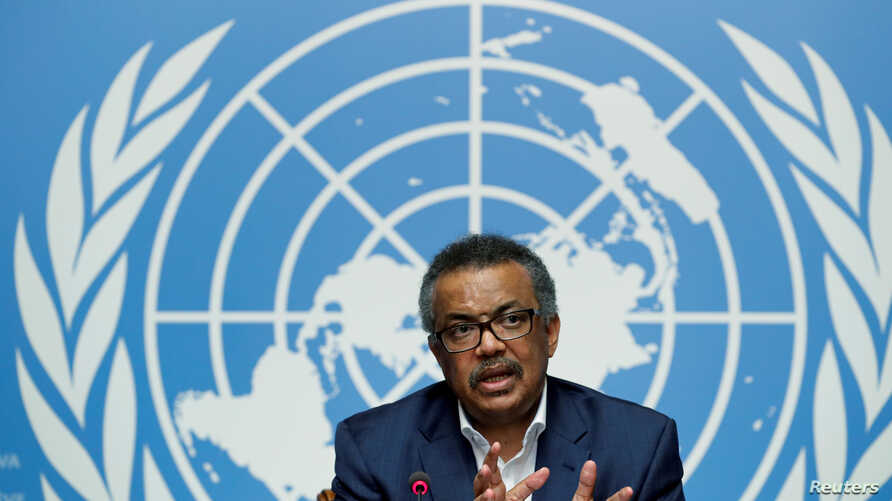
A multi-disciplinary panel of 18 experts from all over the world, a two years long consultation, over 150 pages. The much-awaited report of the World Health Organization on human genome editing was delivered on July 12 and is divided into three parts: A framework for governance, Recommendations, and Position Paper. While not legally binding, it is expected to influence both governments and the scientific community, by offering a roadmap based on widely shared ethical principles and usable policy tools.
Continue reading


 Do you remember the
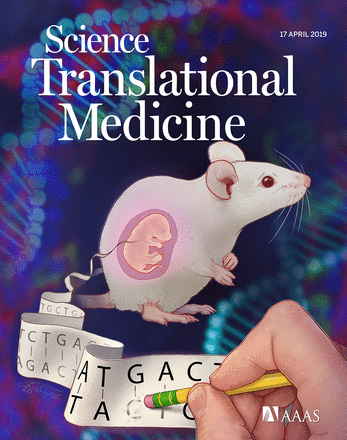
 It’s another CRISPR first: fixing a hereditary disease in utero. Scientists from Pennsylvania University and the Children’s Hospital of Philadelphia used a base editor to rescue tyrosinemia in fetal mice. “The results of this proof-of-concept work demonstrate the possibility of efficiently performing gene editing before birth, pointing to a potential new therapeutic approach for selected congenital disorders,” Avery C. Rossidis and colleagues write in
