Meet Klara, the trasparent CRISPR fish

The turquoise killifish is a small freshwater African fish and a model organism for studying aging. Now researchers will be able to observe the changes in individuals of this species (Nothobranchius furzeri) much more easily, as a German team has used CRISPR to inactivate three genes in one go, causing their vibrant pigmentation to disappear.

The transparent line, dubbed Klara, was presented on eLife, which also released this video on twitter. The idea is not new, in fact crystal-clear mutants of zebrafish and medaka already swim around in laboratories. But Klara is a valuable new arrival, especially for aging scientists. In fact, despite living only a few months to about a year, these fish show typical signs of mammalian aging including telomere shortening.

Apomixis, the Holy Grail is at hand

For a long time, it was no more than a botanical curiosity, of interest to a few scholars with a passion for taxonomy and evolution. Today, it has become the Holy Grail of agricultural genetics. We are talking about apomixis, i.e. the ability to produce viable seeds that are completely identical to the mother plant, bypassing the need for fertilisation. “Research has been going in waves, now we are on the crest,” says Emidio Albertini, an apomixis expert at the University of Perugia and the organiser of a recent workshop on the subject at the Plant & Animal Genome Conference (San Diego, 13 January 2023).

Continue reading

UK embraces CRISPR crops

© Brian Bould/

While the European Union still grapples with the political complexity of revising its regulatory framework on GMOs, post-Brexit Britain has already made up its mind. In late March, London passed the Genetic Technology (Precision Breeding) Act, with the royal assent and to the delight of British researchers. For those familiar with the history of the GM controversy, this is a momentous event with strong symbolic value.

Continue reading

A tale of three Gs – grape, germs and genetics

“There is more wit in these bottles than in all the books of philosophy in the world,” wrote Louis Pasteur in 1843, looking forward to the pleasure of toasting with a friend (Charles Chappuis). The French microbiologist, whose bicentenary of birth was celebrated last year, was one of the fathers of the science of wine, as well as of germ theory. I wonder what he would write today, knowing how much progress is being made by geneticists to preserve the spirit of ancient vines while protecting them from the evils of diseases.

Continue reading

The ChatGPT Rap

credit: University of Cambridge

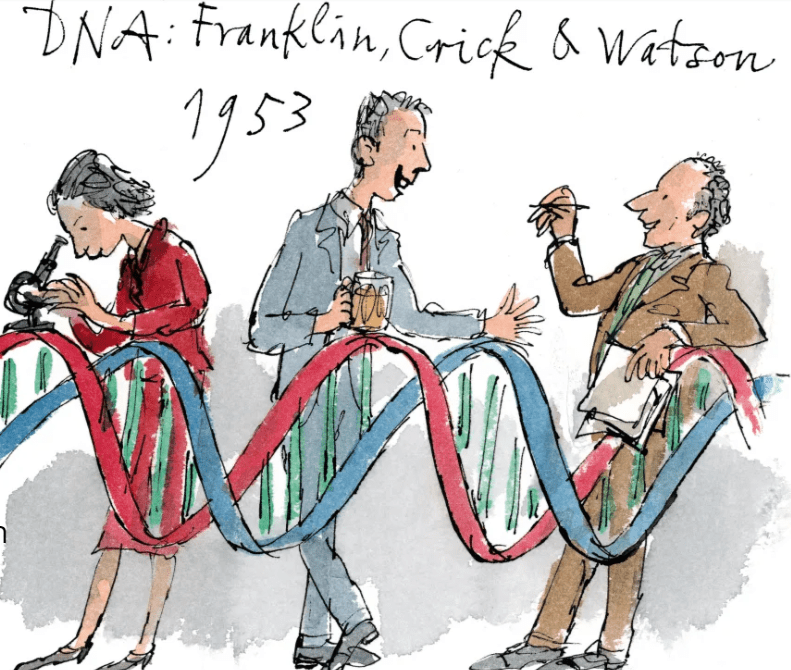
The DNA double helix is about to turn 70 years old. I wrote about it in my column in the Italian magazine 7-Sette. But as a tribute, it still seemed a bit short. So I asked artificial intelligence for help: ‘Dear Chat, can you improvise a rap from the double helix to CRISPR?’ Said, done.

Continue reading

Chronicles from the London editing summit

CRISPR patient Victoria Gray talking at the summit (credit The Royal Society)

The third – and perhaps final – act of the Human Genome Editing Initiative ended last week. The first summit (Washington 2015) was held amid enthusiasm for the invention of CRISPR, with the aim of fostering a constructive dialogue between science and society. The second edition (Hong Kong 2018) was dominated by the birth in China of the first edited human beings. The main points in the agenda of geneticists and bioethicists meeting a few days ago (London 2023) was to overcome the shock and focus on the next challenges: broadening the range of treatable diseases, reducing the costs of therapies, simplifying them so they can be administered anywhere in the world, and reach as many sick people as possible.

Continue reading

CRISPR-enabled carbon capture. What’s up?

Credit CSRWire

The Innovative Genomics Institute runs a program aiming to “supercharge plants and soils to remove carbon from the atmosphere” with the help of CRISPR and funding from the Chan Zuckerberg Iniziative. I asked Andy Murdock, communications director at IGI, three questions to update the picture. Please see his answers below.

Continue reading

BananApocalypse – How concerned should we be?

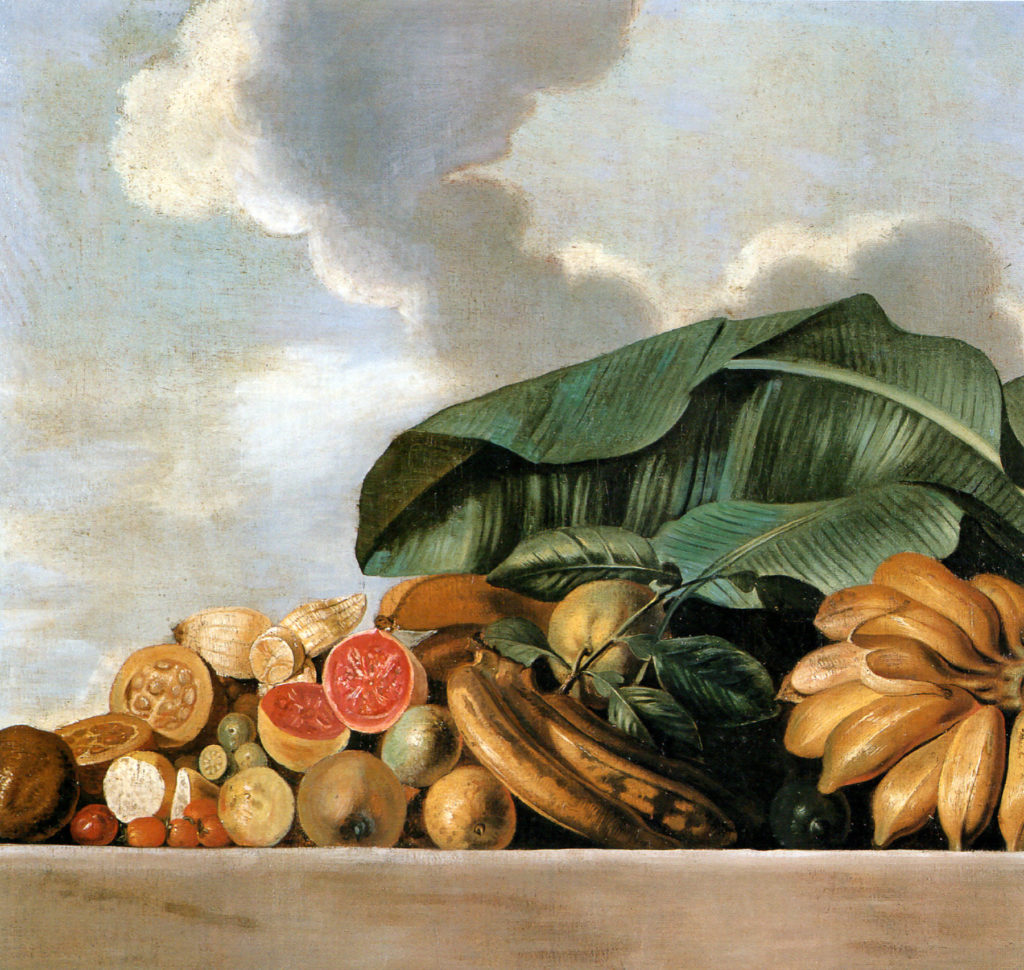
Albert Eckhout: Still-life of citrus fruit and bananas

The alarm about the impending extinction of bananas has been raised over and over in the media over the past decade. How worried do we need to be? And what are plant geneticists doing to ensure long life for this fruit loved by consumers around the world and celebrated by so many artists?

Continue reading

Xenografts – here’s where we stand

Surgeon Jayme Locke and immunologist Megan Sykes

David Bennett, the first patient transplanted with a genetically edited pig heart, died on March 8 last year, two months after the surgery, presumably from a latent pig virus (a problem that does not seem hard to solve with more stringent protocols and screening, as Linda Scobie explained to me a few months ago). Since then, experimental transplants have continued in brain-dead patients who had donated their bodies to research. After xenokidneys with a single genetic modification transplanted in late 2021, in the summer of 2022 it was the turn of ten edits xenohearts. The state of the art now is that the potential of the approach still appears high, as does the morale of specialists.

Continue reading