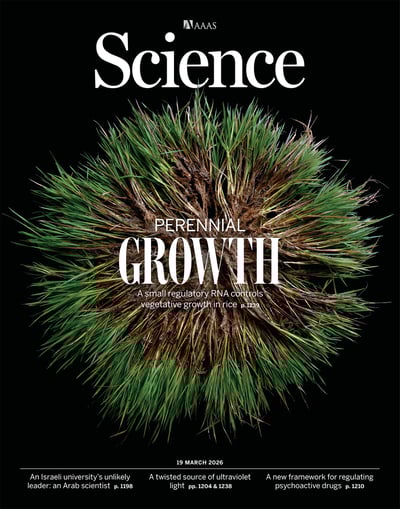
Playing with Chromosomes: CRISPR’s New Frontier

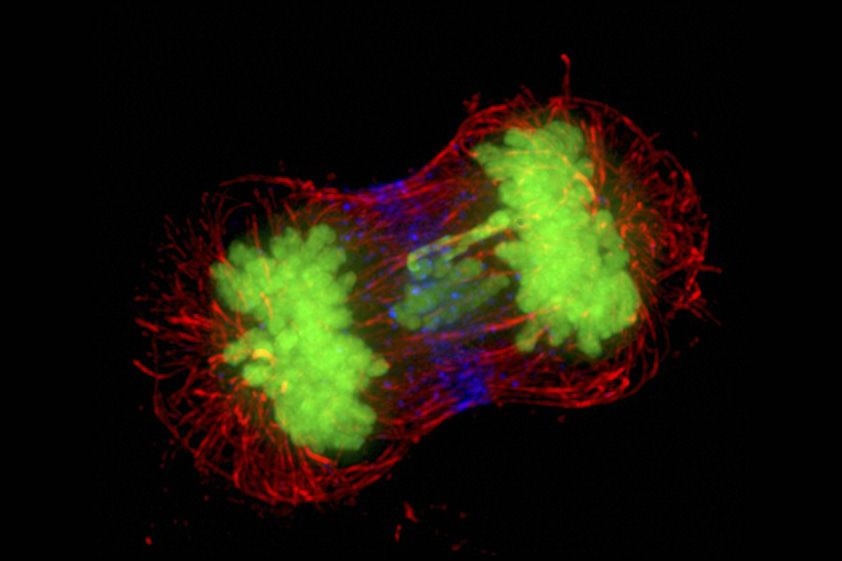
Humans have 23 pairs of chromosomes. The record-holder among animals (a butterfly called Polyommatus atlantica) can boast 229. Some plants have even more, but only because their genomes have undergone multiple rounds of duplication. We’re talking about chromosomes, of course. Their number is characteristic of each species and still shrouded in mystery. Why that number? And what would happen if we changed it?
In animals, the effects tend to be detrimental: mice with fused chromosomes, for instance, show abnormalities in behavior, growth, and fertility. Plants, however, appear surprisingly flexible, as demonstrated by a new experiment using CRISPR, recently published in Science.

Continue reading

Can technology replace animal testing?

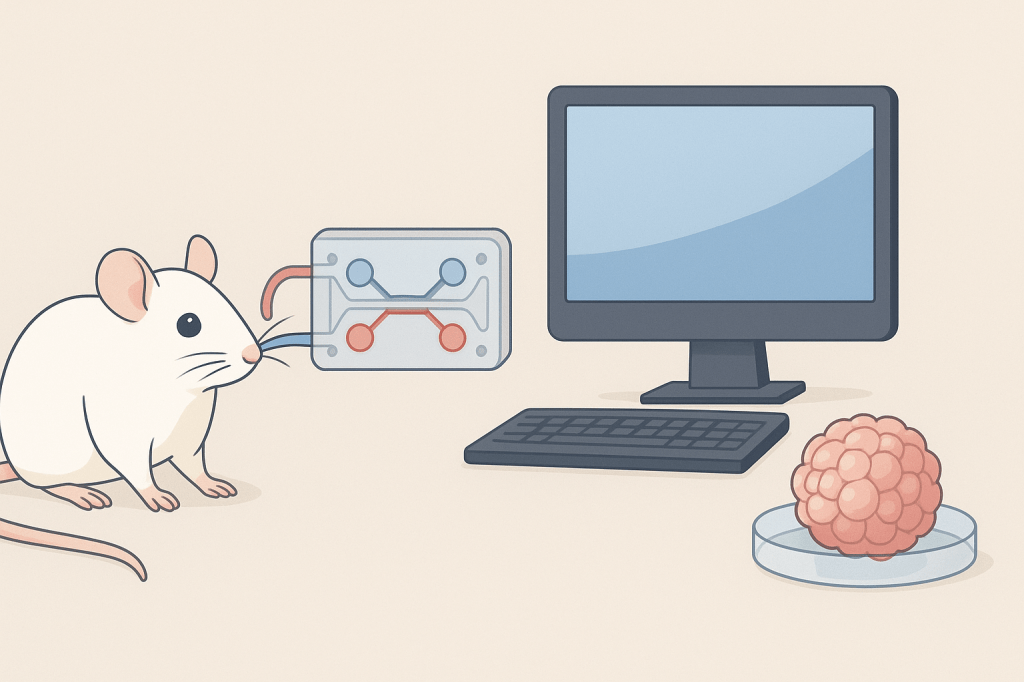
New Approach Methodologies (NAMs) have a bright future ahead, but they should be seen as complementary rather than alternative to classical experimentation.

Regulatory and funding agencies in the U.S. and Europe are promoting ambitious initiatives to foster the development and adoption of advanced systems capable of testing the effects of drugs and other substances without using animal models. The hope is that biomedical research can become more ethical, safer, and cheaper. But the challenge is complex, and the requirements vary depending on the application. As a result, some voices urge a faster “transition,” while others warn that rushing the process could be risky. Recently published articles in leading scientific journals capture this polarized debate, but they also hint at a possible middle ground.

Continue reading

Evolving a new CRISPR system to insert genes

evoCAST (credit: George Lampe)

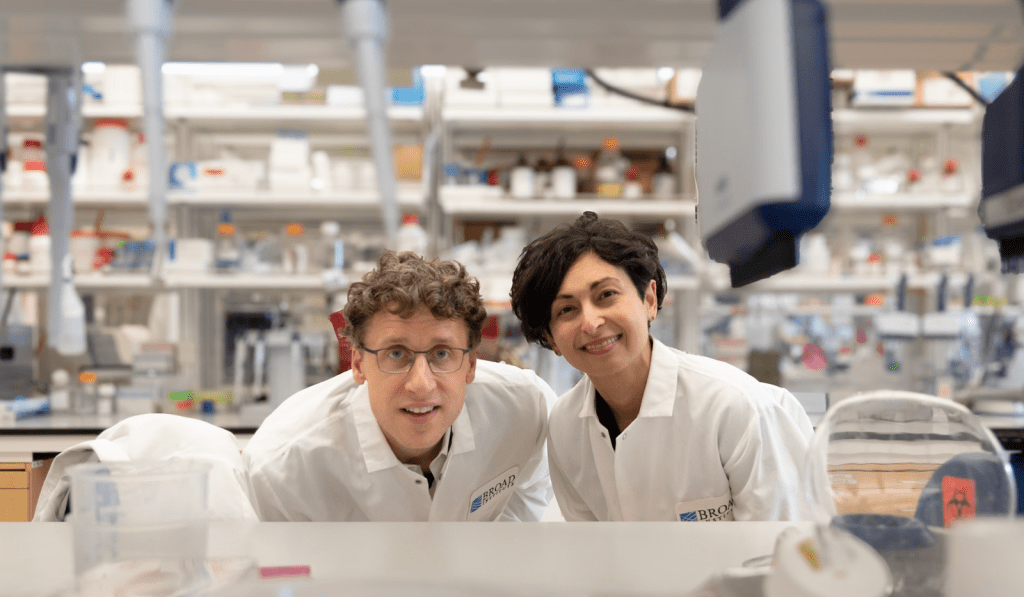
Recently, David Liu won the Breakthrough Prize for inventing two tools for precise, small-scale genome editing (base editing and prime editing). However, in some cases, rather than correcting a mutation within a defective gene, it may be more practical to insert a fully functional copy of the gene. That’s the mission of evoCAST, the latest invention from the Broad Institute near Boston, a hub for next-generation CRISPR tools.

Continue reading

Xenotransplants Edge Closer to Reality

There is still no consensus on the best way to humanize pig organs, but recent progress has convinced the Food and Drug Administration (FDA) to greenlight the first clinical trial.

The trial will begin enrolling six participants, and could expand to 44 if early results are promising. A six-month survival after the xenotransplant will be considered a success indicator, although it’s unclear how many patients will need to reach this milestone to win the agency’s approval.

Continue reading

CRISPR News – A Trio of Firsts

Many interesting papers have been published recently; here are our top three picks. They cover an innovative gene therapy trial, a new experimental approach for oncology, and the development of novel tools to map gene enhancers.

Continue reading

The rare story of Sonia and Eric: pioneers by force and by love

A scientific adventure whose ingredients include the looming threat of a fatal disease, the decision to reinvent themselves as biologists, and the goal of silencing prions.

The clinical trial with antisense oligonucleotides, born of their efforts, is considered one of the most interesting trials of 2025, but this is only a part of the story. This married couple is also pursuing other avenues to halt the onset of prion diseases. In the summer of 2024, they published a study in Science using epigenetic editing in mice. Then, in January 2025, their experiments with base editing were published in Nature Medicine. Yet Sonia Vallabh was a newly graduated jurist, and her husband, Eric Minikel, was working in urban planning, when they discovered that she carried a mutation that would condemn her to die of fatal familial insomnia within two or three decades.

Continue reading

The Huge Little Thing: NanoCas is Coming

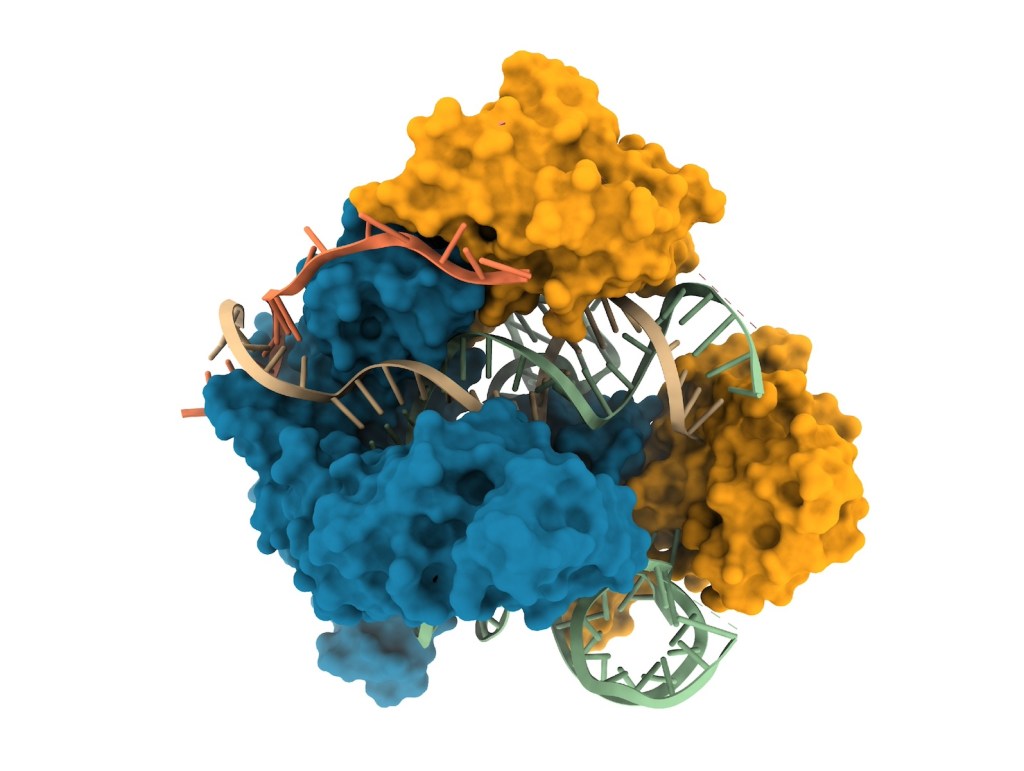
3D structure of the NanoCas system [Mammoth Biosciences]

It is currently only a preprint on bioRxiv, but it has already attracted significant attention from the scientific community and the journal Science. Mammoth Biosciences, a company founded by CRISPR co-inventor Jennifer Doudna, has developed NanoCas, a mini-editor that is just one-third the size of traditional gene-editing scissors (Cas9).

Continue reading

A decade of CRISPR is only the beginning

CRISPR past, present, and future according to the review by Jennifer Doudna and Joy Y. Wang just published in Science. This is the original caption: “The past decade of CRISPR technology has focused on building the platforms for generating gene knockouts, creating knockout mice and other animal models, genetic screening, and multiplexed editing. CRISPR’s applications in medicine and agriculture are already beginning and will serve as the focus for the next decade as society’s demands drive further innovation in CRISPR technology.”

Continue reading

CRISPR aims straight for the heart

Photo credit Singularity Hub

The latest challenge is protecting damaged tissue immediately after a heart attack with the help of base editing (see the paper published in Science by Eric Olson’s group at the University of Texas Southwestern Medical Center). But there are hundreds of devastating diseases that affect the heart or other muscles and are caused by mutations that could be fixed by CRISPR-based tools (see this paper in Science Trsnslational Medicine for example). From Duchenne dystrophy to cardiomyopathies, some preliminary results are very encouraging.
Learn more reading the article on the Science paper published by El Pais and watching this video with Olson explaining his studies, especially on Duchenne muscular dystrophy.

Ode to Darwin, from Phages to Borgs

Phages first, Borgs then. Jennifer Doudna and Jill Banfield published surprising new findings in Cell, suggesting that thousands of phages have stolen CRISPR from bacteria to deploy it against rivals. “CRISPR is so popular even viruses may use it,” Science jokes. Nature puts it seriously “CRISPR tools found in thousands of viruses could boost gene editing.”

Continue reading