The end of infinite cloning

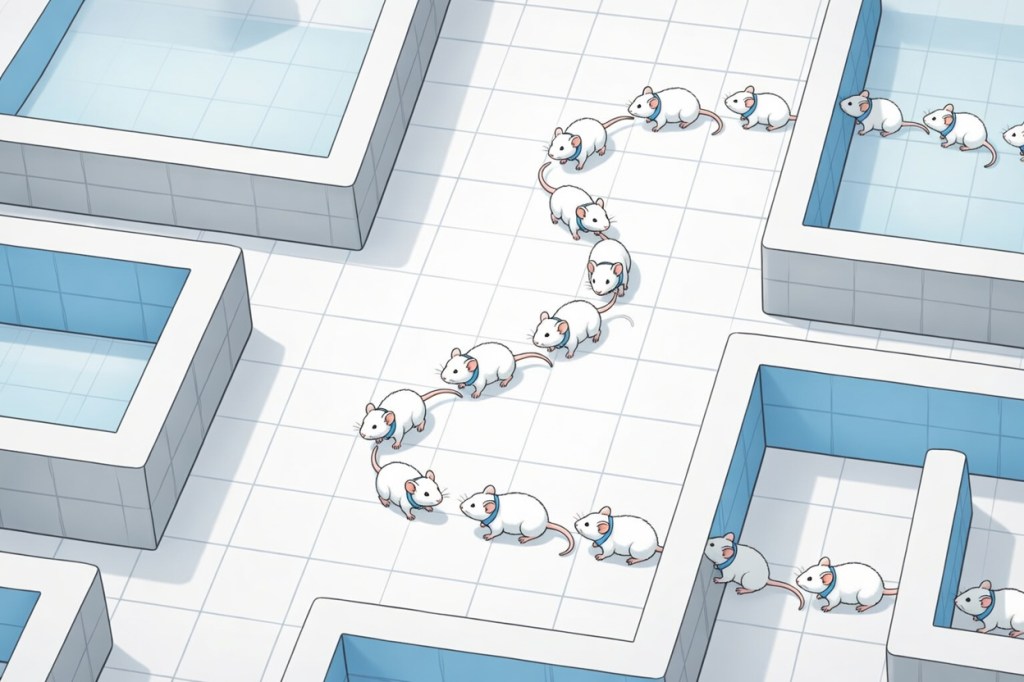
A team led by Teruhiko Wakayama at the University of Yamanashi generated more than 1,200 cloned mice from a single original donor, across over 30,000 cloning attempts, using the classic technique that produced Dolly the sheep: nuclear transfer (please see their paper in Nature Communications). Up to the 25th generation, things proceeded largely smoothly: the clones were normal, lived as long as conventionally bred mice, and the line appeared indefinitely sustainable. But from the 27th generation onward, the success rate began to decline. By the 58th generation it had collapsed, and the few pups that were born died shortly after birth, despite showing no obvious abnormalities. A discovery that may prompt a reassessment of certain lines of research involving genome editing.

Continue reading

CRISPRing at school – for 2$

Forget Odin, the controversial kit that was being sold online by controversial “biohacker” Josiah Zayner (getting people to play around with developing antibiotic-resistant bacteria is certainly not a good idea). At Stanford University they have developed a CRISPRkit for cell-free in vitro experiments that is easy and safe because the target is a harmless pigment. And the great thing is that it costs less than an American coffee (two dollars).

Continue reading

An RNA bridge for genome design

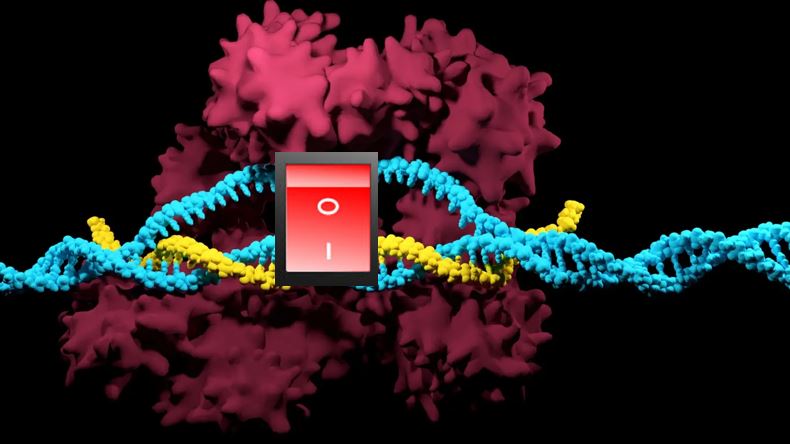
When small tweaks aren’t enough and massive DNA interventions are needed, a new biotech tool inspired by a peculiar class of jumping sequences may come to the rescue.
Barbara McClintock discovered mobile genes in the 1940s, and since then these transposable elements have never ceased to amaze.

Continue reading

Apomixis, the Holy Grail is at hand

For a long time, it was no more than a botanical curiosity, of interest to a few scholars with a passion for taxonomy and evolution. Today, it has become the Holy Grail of agricultural genetics. We are talking about apomixis, i.e. the ability to produce viable seeds that are completely identical to the mother plant, bypassing the need for fertilisation. “Research has been going in waves, now we are on the crest,” says Emidio Albertini, an apomixis expert at the University of Perugia and the organiser of a recent workshop on the subject at the Plant & Animal Genome Conference (San Diego, 13 January 2023).

Continue reading

CAR-T and the C-word

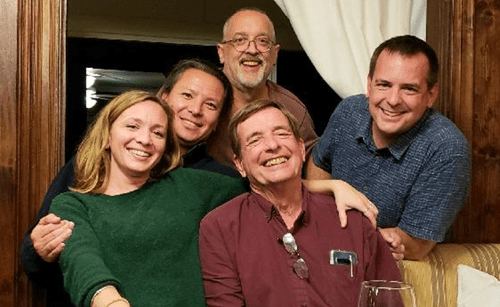
Early trial participant Doug Olson celebrating his 75th birthday with family (photo credit Penn Medicine)

Doug Olson was treated with engineered T cells (CAR-T) for incurable leukemia in 2010, well before CRISPR was born. Over a decade later, he still is cancer-free (see the paper in Nature), and the pioneer of the approach, Carl June, is reported to have said the C-word: cured. As immunotherapy and genome editing are crossing paths, hopefully, we expect further good news from the CAR-T frontier in the future.

GM mosquitoes play rock paper scissors

Anti-CRISPR proteins are the rock needed to stop CRISPR-based mosquito-eradicating gene drives, if necessary, and make them safer. In a news feature published last year in Nature, the molecular parasitologist Andrea Crisanti disclosed unpublished data about halting an anti-malaria gene-drive system by adding anti-drive mosquitoes to the mix. “They can completely, 100% block the drive. We can stop the [Anopheles gambiae] population from crashing,” he said. According to the scientist from the Imperial College London, it’s kind of like buying an insurance. Looking ahead to field-testing his sterilization strategy, Crisanti imagined having cages of anti-drive mosquitoes at the ready, just in case things go awry. Well, that work is now published, and anti-drive mosquitoes are a reality. To learn more, see the paper published on June 25 in Nature Communications by Chrysanthi Taxiarchi et al.

CRISPR Ikea-style

Modular design is the latest trend for developing new CRISPR tools. In The CRISPR Journal, Juan Carlos Collantes et al. present a base-editor system called Pin-point that recruits a DNA base-modifying enzyme through a hook (an RNA aptamer) within the guide-RNA molecule. In Nature Communications the goal of Lacramioara Bintu and colleagues is not base editing but epigenomic editing, the effector is a chromatin regulator and the hook is an antibody. When the CRISPR-effector combo is big, delivery of individual modules is easier. Furthermore, if the effector is already present inside the cell it can be simply recruited by providing the right hook. One more potential advantage is the convenient reconfiguration of the system by the mix and match of individual components and simultaneous recruitment of different effectors to different target sites.

TALEN vs CRISPR

Soon after the arrival of CRISPR, a report from Harvard compared the new gene-editing technique and its older sister side by side. As reported by Kevin Davies in the book “Editing Humanity,” CRISPR won convincingly, and this paper helped boost CRISPR’s popularity. This video shows that nowadays CRISPR is considered the best in terms of ease of design, ease of experimental setup, and flexibility. TALEN, however, is more precise. What about efficiency? Well, it depends. CRISPR works better in the less-tightly wound regions of the genome, but according to a recent Nature Communications paper, TALEN can access the heterochromatin region better than CRISPR. The study by Huimin Zhao and colleagues at the University of Illinois Urbana-Champaign adds to the evidence that the more (tools), the better.

Prime-edited rice & CRISPR golden rice

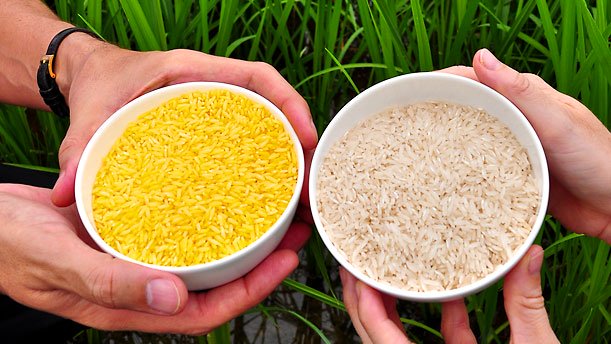
Do you remember prime editing? It’s the new ‘search-and-replace’ genome editing technology that mediates targeted insertions, deletions, all 12 possible base-to-base conversions, and combinations thereof. The first good news is that David Liu et al. adapted prime editors for use in rice and wheat, so don’t miss their paper in Nature Biotechnology.

Continue reading

Born to kill. New CRISPR hope for fighting resistant bacteria

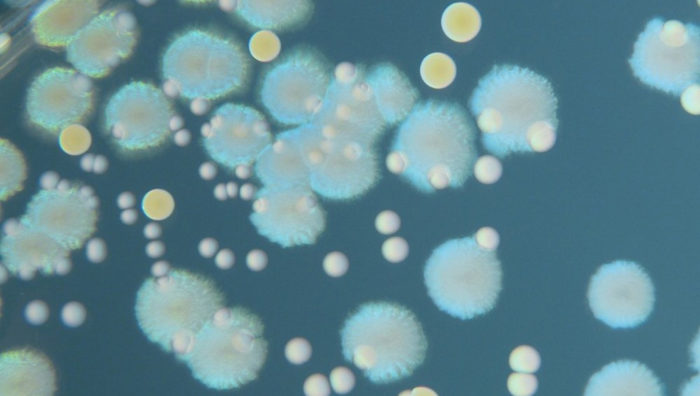
CRISPR evolved in bacteria as a defense mechanism against viral infections. But now researchers are turning the same weapon against bacteria themselves, hoping to defuse antibiotic resistance, which according to WHO is one of the biggest threats to global health.  

Continue reading