

Let’s read these letters: DNA. Who’s the first person who comes to your mind? The chances are high that you say James Watson, the politically incorrect half of the pair that in 1953 unveiled the double helix and the molecular basis of inheritance. It can be argued that this discovery opened the path leading to the invention of CRISPR sixty years later. The scientist who personifies one of the biggest turning points for human culture, now eighty-nine, has written what he thinks of the young technology for genome editing in the latest edition of “DNA. The Story of the Genetic Revolution “. The book, first published in 2003, has just been updated to cover the latest science and technology developments. Continue reading
 Spring in Japan is pink as cherry blossoms, but summer turns violet as the flowers of a climbing plant frequently grown in the gardens of the Rising Sun. It is a kind of morning glory, of the Ipomoea nil species, locally known as Asagao. This plant had its
 In
In  It’s mid-August, but CRISPR never goes on vacation. Not to be missed this week is the

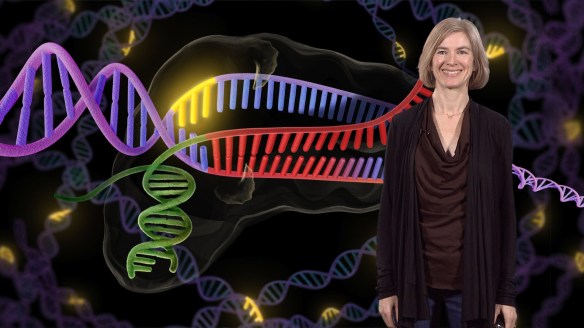 The University of Berkeley has opened a glimpse into the way bacteria use CRISPR, the microbial immune system that inspired the invention of the method for genetic modification also known as CRISPR. The paper published in
  CRISPeR FRENZY