
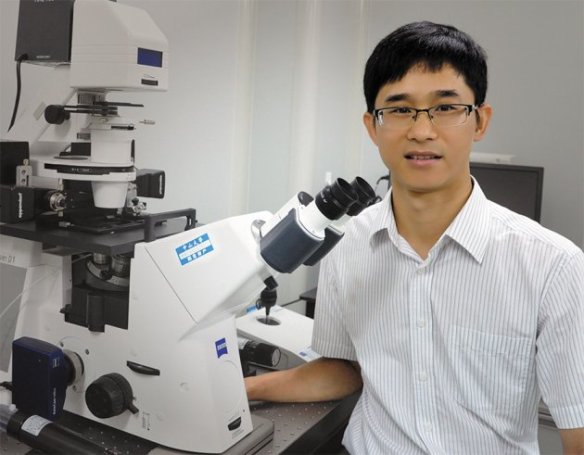
Junjiu Huang is back. Two years later, Protein & Cell publishes another study by the team which first edited human embryos in 2015 sparking uproar. They targeted the gene responsible for beta thalassemia, once again. This time, however, in place of using embryos discarded by fertilization clinics, they resorted to cloning. Furthermore, Huang and colleagues employed a CRISPR variant called base editor changing a single DNA letter without even cutting the double helix. The news is circulating among experts but has not yet attracted the media spotlight. Stem cell specialist Alessandro Bertero has brought it to the attention of CRISPeR Frenzy. According to the researcher involved in the British experiment just published in Nature, the latest paper from China is far from perfect but it’s quite interesting anyway (see his technical comment below). Continue reading

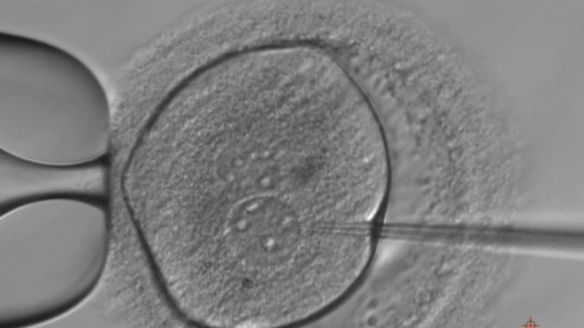 They are the first human embryos edited in Europe and reported in scientific literature. The key difference with experiments already carried out in China and US is that the research published by
 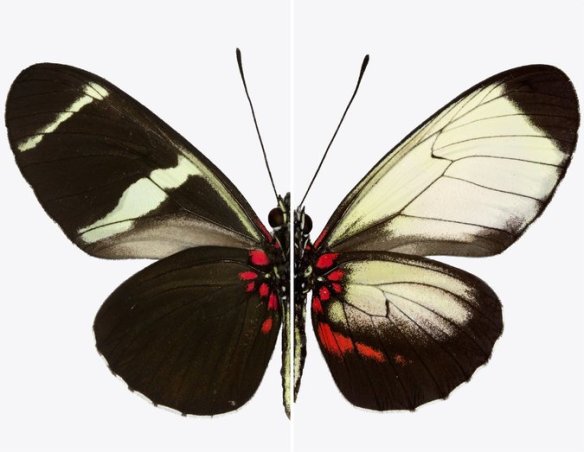 Biodiversity is a wonderful interplay between genetics and evolution, and butterflies are a fascinating example with their variety of patterns and colors. Understanding how the same gene networks engender visual effects so diverse in thousands of Lepidoptera species is a longtime ambition for many entomologists and evolutionary biologists. The good news is that scientists nowadays have a straightforward technique working with organisms that were difficult to manipulate with conventional biotech tools. Obviously, we are talking about CRISPR. Two papers published in PNAS last week describe how genome editing was used to alter the genetic palette of colors in butterflies and how their wings changed as a result. We’ve asked the entomologist Alessio Vovlas, from the Polyxena association, to comment these stunning experiments.

 Spring in Japan is pink as cherry blossoms, but summer turns violet as the flowers of a climbing plant frequently grown in the gardens of the Rising Sun. It is a kind of morning glory, of the Ipomoea nil species, locally known as Asagao. This plant had its
 In
In  It’s mid-August, but CRISPR never goes on vacation. Not to be missed this week is the
  CRISPeR FRENZY