

The exploit announced last week by Nature marks an advancement in CRISPR performance in human embryos big enough to say that yes, germ line editing will probably become a viable option sooner or later. It means that some genetic diseases (at least those caused by a single mutation) can be corrected not only in the treated individuals but also in their offspring. The idea of genetic diseases disappearing from the face of Earth is bound to remain a dream, as Eric Lander explained at the 2015 Washington Summit on Human Gene Editing. In short, with rare Mendelian diseases, the vast majority of situations can currently be addressed by in vitro fertilization and preimplantation genetic diagnosis, while complex diseases are, well, too complex to handle. Anyway, when you come to efficiency and accuracy, results achieved by Shoukhrat Mitalipov and colleagues are exciting: CRISPR science walks on robust and fast legs. As for the bioethics of the experiment, we should try not to get stuck with overused labels. Continue reading


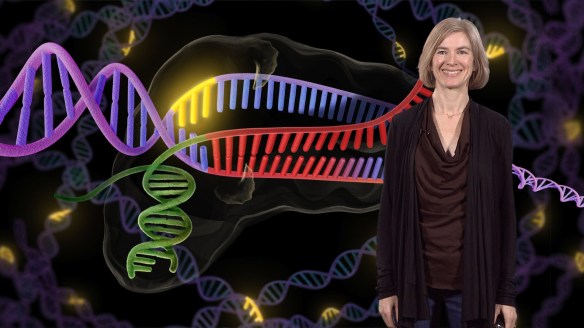 The University of Berkeley has opened a glimpse into the way bacteria use CRISPR, the microbial immune system that inspired the invention of the method for genetic modification also known as CRISPR. The paper published in
  Faster, better, cheaper is a motto adopted by Nasa that perfectly fits CRISPR as well. The most popular technique for genetic modification, in fact, has the reputation of being quick, affordable and precise. This deserved good name was unexpectedly tarnished by a study questioning the technology precision, published in the June issue of Nature Methods. However, reports about CRISPR’s demise have been greatly exaggerated, to paraphrase Mark Twain. Just over a month later, three analyses challenging the controversial study are already available in the pre-publication archive bioRxiv, and Nature Methods has alerted its readers about the criticisms received by publishing an
 Mosquito nets are not enough, vaccines are late to come, land reclamation in Africa is a challenge. But there is a new hope for defeating malaria, coming directly from the most advanced CRISPR frontier. The trick is a kind of genetic chain reaction fuelled by genetic elements called “gene drives”. Researchers are experimenting their power with the aim of crashing the number of mosquitoes responsible for Plasmodium transmission, by spreading genes that are bad for Anopheles gambiae. A gene behaving in Mendelian way has a 50% chance of being passed on from parent to offspring, but it can virtually reach 100% with a little help from a drive. Thus a gene designed to damage a harmful species can propagate within a few generations with a domino effect, until the population collapses. One of the founders of this futuristic strategy is an Italian molecular parasitologist:
  CRISPeR FRENZY