Are you more excited, worried, or skeptical about the mammoth de-extinction project revived by George Church’s new start-up? Most people (me included) have mixed feelings. In any case, there is a must-read article in STAT that will help clear your mind.
The list of the latest additions since the beginning of September is impressive. They are called CasMINI (see Molecular Cell), Cas7-11 (see Nature), OMEGAs (see Science), and come respectively from Stanford University (Stanley Qi Lab), MIT (McGovern Institute), and the Broad Institute (Zhang Lab). CasMINI is half the size of Cas9 and could be much easier to deliver. Cas7-11 is the Cas9 of RNA. OMEGAs are a new class of widespread RNA-guided enzymes, thought to be the ancestors of CRISPR.
The Dutch town of Wageningen was already a spot on the genome-editing map for the work of the CRISPR pioneer John van der Oost. Its university now aims to inspire a worldwide change in CRISPR patents policies, by announcing that it will allow non-profit organizations to use its CRISPR technology for free for non-commercial agricultural applications.
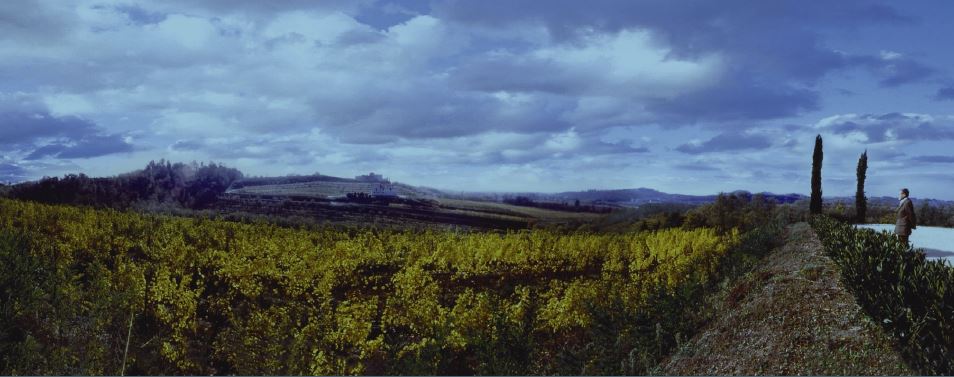
A vineyard in northeast Italy (from M. Morgante’s Ppt)
CRISPeR Frenzy is pleased to publish the full text of the presentation held on June 6 by Michele Morgante (Università degli Studi di Udine) at the Virtual Workshop on Innovative Biotechnologies and Regulatory Approaches organized by the US Embassy in Rome and USDA.
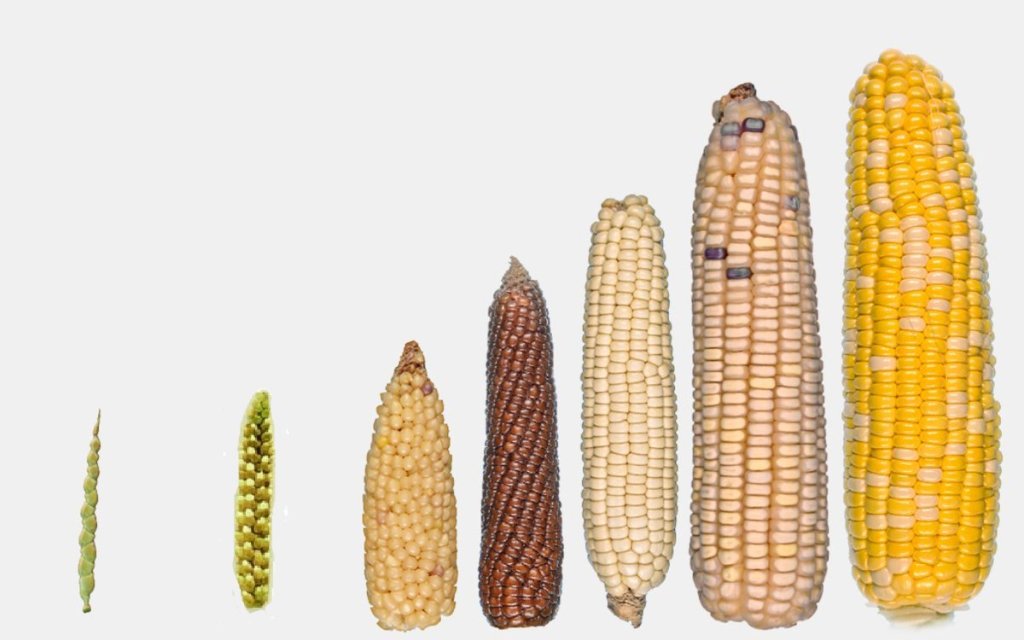
Presentation given by Prof. Prakash at the Virtual Workshop on Innovative Biotechnologies and Regulatory Approaches organized by the United States Department of Agriculture and the US Embassy in Rome (June 8, 2021).
A multi-disciplinary panel of 18 experts from all over the world, a two years long consultation, over 150 pages. The much-awaited report of the World Health Organization on human genome editing was delivered on July 12 and is divided into three parts: A framework for governance, Recommendations, and Position Paper. While not legally binding, it is expected to influence both governments and the scientific community, by offering a roadmap based on widely shared ethical principles and usable policy tools.
Here you can read a selection of notable comments about the landmark paper on in vivo genome-editing published in the New England Journal of Medicineon 26 June. The trial, conducted in the UK and New Zealand, produced the first-ever clinical data supporting the safety and efficacy of intravenous infusion of a single-dose CRISPR treatment. The treatment, developed by two US-based companies (Intellia Therapeutics and Regeneron Pharmaceuticals) targets a rare and fatal condition called transthyretin amyloidosis.
Jennifer Doudna (CRISPR co-inventor and co-founder of Intellia): “It’s a critical first step in being able to inactivate, repair, or replace any gene that causes disease, anywhere in the body” (source Science).
Anti-CRISPR proteins are the rock needed to stop CRISPR-based mosquito-eradicating gene drives, if necessary, and make them safer. In a news feature published last year in Nature, the molecular parasitologist Andrea Crisanti disclosed unpublished data about halting an anti-malaria gene-drive system by adding anti-drive mosquitoes to the mix. “They can completely, 100% block the drive. We can stop the [Anopheles gambiae] population from crashing,” he said. According to the scientist from the Imperial College London, it’s kind of like buying an insurance. Looking ahead to field-testing his sterilization strategy, Crisanti imagined having cages of anti-drive mosquitoes at the ready, just in case things go awry. Well, that work is now published, and anti-drive mosquitoes are a reality. To learn more, see the paper published on June 25 in Nature Communications by Chrysanthi Taxiarchi et al.







 CRISPeR FRENZY