A wolf of a year

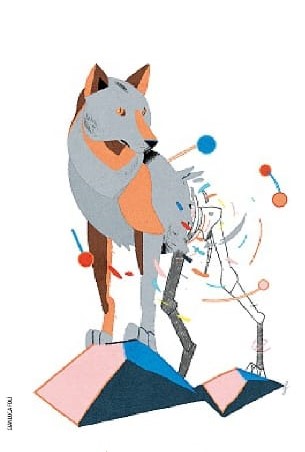
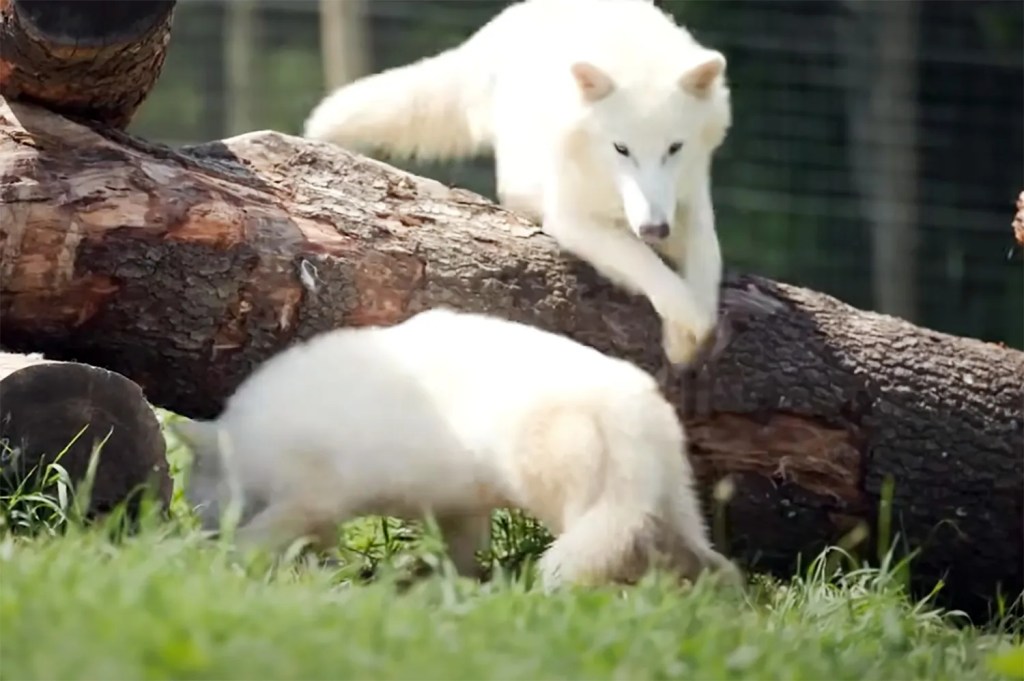
You remember, right? They were created through gene editing. Almost immediately, the debate kicked off: is this really de-extinction? Are they really dire wolves? Of course, dire wolves are fictional creatures, while “de-extinction” is a neologism that can be interpreted more or less strictly. To avoid getting stuck in a semantic argument, let’s just say this was a case of recovering selected genetic traits from the genome of an extinct species that later inspired a sci-fi series. Setting the terminology aside, a year on from the New Yorker and Time articles, the real question is: how are these very special pups doing?

Continue reading

Can CRISPR resurrect Neanderthals?

After the uproar over the de-extinction of dire wolves, bioethicist Arthur Caplan asked in Plos Biology: “Should scientists be allowed to bring distant human ancestors back to life?” The Italian edition of Scientific American invited me to investigate how technically difficult it would be to de-extinct a Neanderthal and what the risks and benefits of such a project might be. Below are the statements provided by the specialists I consulted.

Continue reading

Genetic rescues for biodiversity? Proceed with caution

Photo©IUCN/Andrew McConnell/Workers Photos

The International Union for Conservation of Nature (IUCN) rejects the moratorium request and approves a resolution recognizing the risks and benefits of SynBio techniques, calling for case-by-case evaluations

Continue reading

Crying dire wolf

The dire wolves “genetically resurrected” by the U.S.-based company Colossal have impressed many with their beauty but have also scandalized others. Among the latter are commentators criticizing the media hype, and naturalists worried that a few partially “de-extinct” animals may attract more attention than the long list of species currently at risk of extinction due to climate change and other human actions. It doesn’t help that the dire wolves’ comeback has no foundation in published scientific data—no peer-reviewed articles, no preprints yet, only two extensive reportages and some YouTube videos. There is certainly room for controversy. However, if we only listen to the critical voices, we risk losing sight of some key facts.

Continue reading

Resurrecting extinct species _ where do we stand?

Beth Shapiro is chief scientific officer at Colossal Biosciences

Plans to genetically bring mammoths and other vanished animals back to life have scientific stakes far beyond the imagery of Jurassic Park

Continue reading

Where is the revived mammoth?

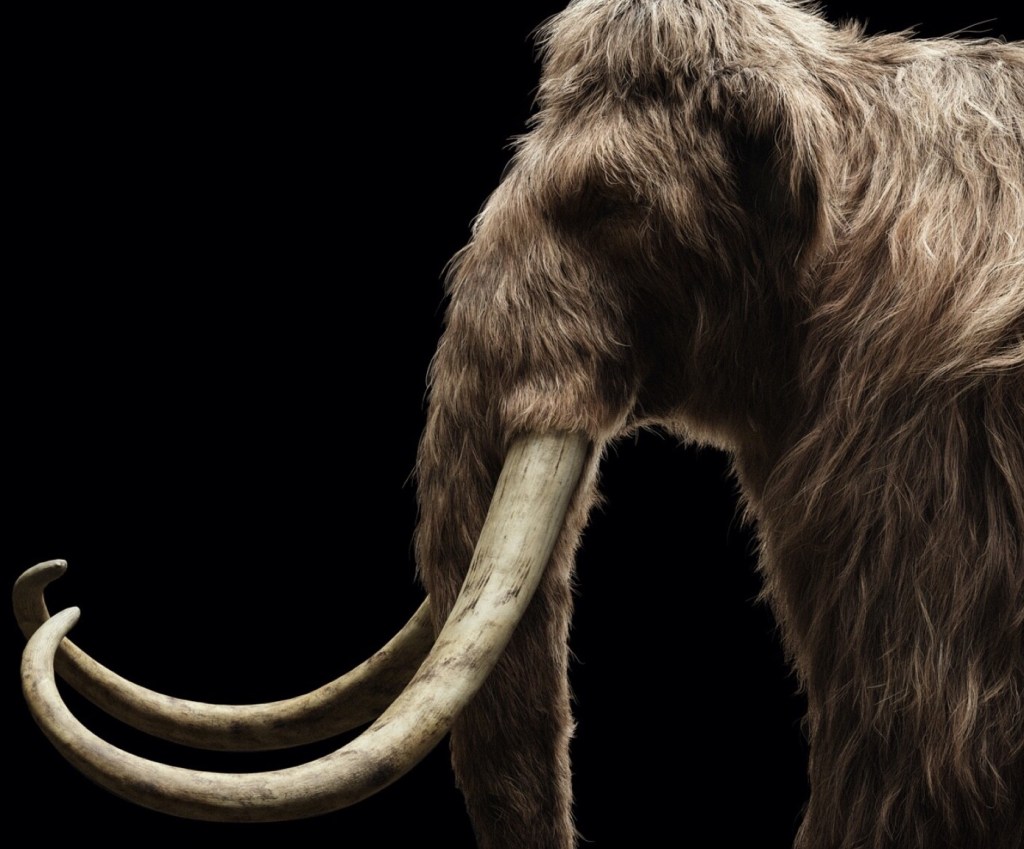
I watched Genesis 2.0, which is debuting in Italy almost two years after its release at the Sundance Film Festival. In the meanwhile, Semyon Grigoriyev has died. The Russian paleontologist leading the effort to clone a mammoth was one of the movie’s main characters. He always had little chance of success, and the plan’s odds are now worse than ever.

Continue reading