

CAR-T cell therapy meets CRISPR. See the results from the first US trial of gene editing in patients with advanced cancer, just published by Carl June and colleagues in Science, together with a perspective by Jennifer Hamilton and Jennifer Doudna and a piece of news by Jennifer Couzin-Frankel. We still don’t know if edited T cells are effective against cancer, but this Phase 1 clinical trial suggests the approach is safe and feasible.
RNA editing takes off. Take a look at the news feature by Sara Reardon in Nature. It’s a four pages introduction to ADAR, an alternative to CRISPR for flexible, reversible therapies.


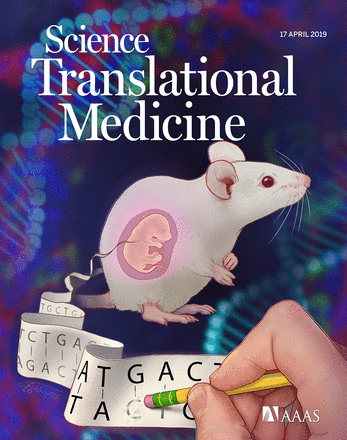
 It’s another CRISPR first: fixing a hereditary disease in utero. Scientists from Pennsylvania University and the Children’s Hospital of Philadelphia used a base editor to rescue tyrosinemia in fetal mice. “The results of this proof-of-concept work demonstrate the possibility of efficiently performing gene editing before birth, pointing to a potential new therapeutic approach for selected congenital disorders,” Avery C. Rossidis and colleagues write in
 “Uh Oh. CRISPR might not work on people”. A title like this on the
  The first patient
 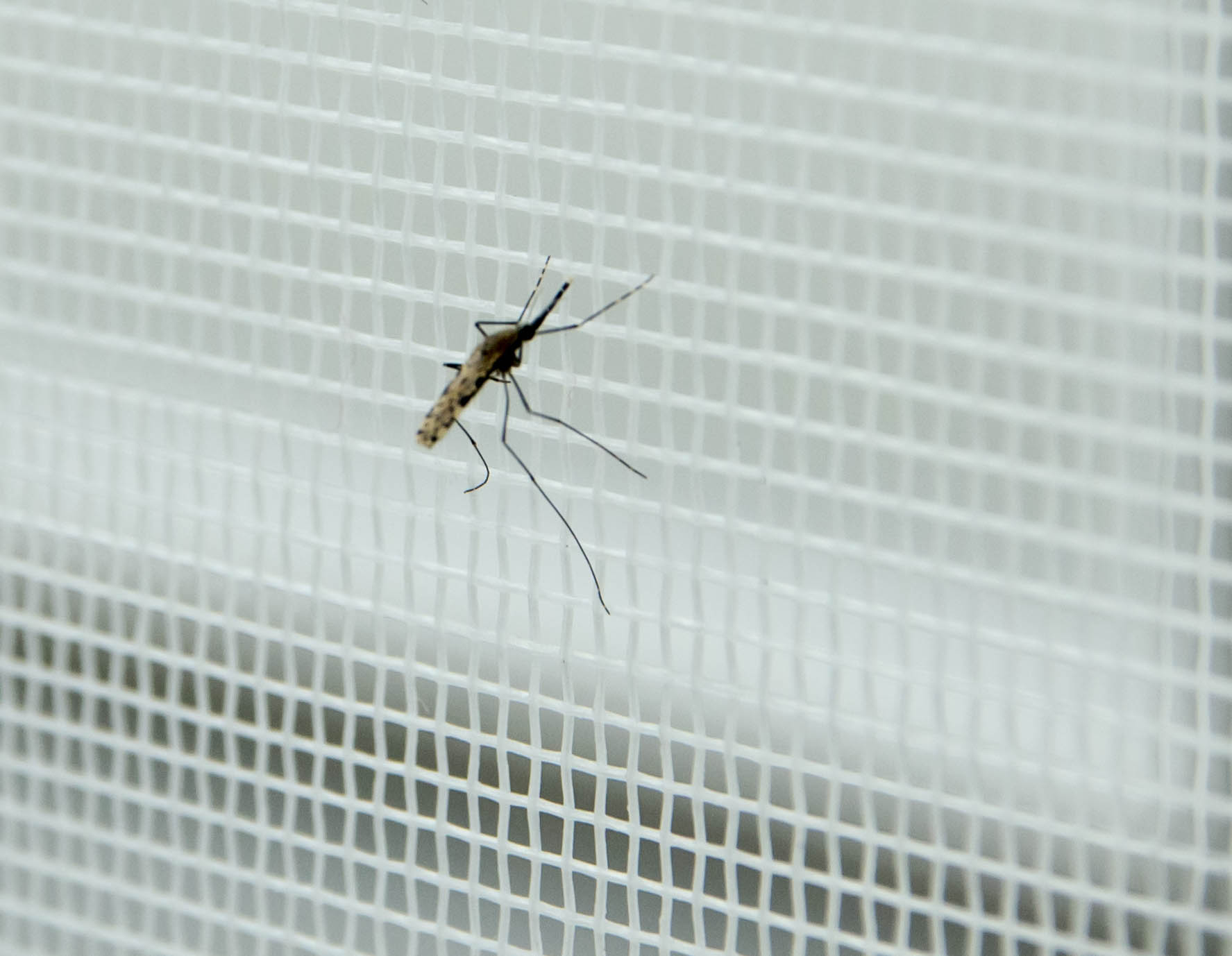 Mosquito nets are not enough, vaccines are late to come, land reclamation in Africa is a challenge. But there is a new hope for defeating malaria, coming directly from the most advanced CRISPR frontier. The trick is a kind of genetic chain reaction fuelled by genetic elements called “gene drives”. Researchers are experimenting their power with the aim of crashing the number of mosquitoes responsible for Plasmodium transmission, by spreading genes that are bad for Anopheles gambiae. A gene behaving in Mendelian way has a 50% chance of being passed on from parent to offspring, but it can virtually reach 100% with a little help from a drive. Thus a gene designed to damage a harmful species can propagate within a few generations with a domino effect, until the population collapses. One of the founders of this futuristic strategy is an Italian molecular parasitologist:
