

As far as we know, the passing of controversial DIY-bioentrepreneur Aaron Traywick has nothing to do with CRISPR. The cause of death is still unknown, and there is not even much information about the alleged herpes vaccine he self-injected a few months ago. According to media reports, it consisted of “live attenuated virus with a missing protein” or maybe contained “engineered copies of the virus DNA code.” Injecting yourself with an unproven concoction is obviously a bad idea, with or without CRISPR. The death news indeed puts biohacking at a crossroads, according to the Atlantic. But even more worrying is the MIT Technology Review scoop that Traywick has been planning human tests of a CRISPR therapy for lung cancer at a wellness center in Tijuana, Mexico. Stem cells researchers have raised the alarm over and over again in the past on unregulated clinics preying on desperate patients in lenient countries. The specter of nascent CRISPR-medical tourism in search of unproven treatments is an urgent issue to tackle.
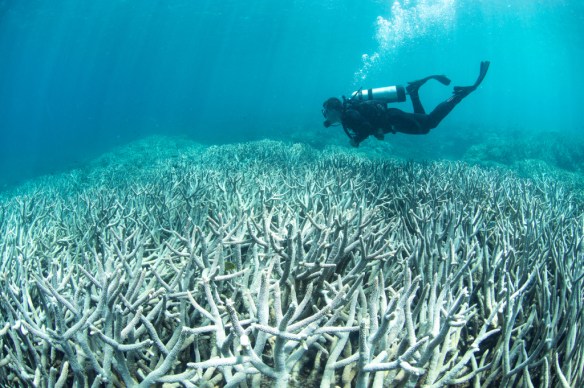 They are not super-corals genetically edited to repopulate the reef. However, the Acropora millepora described in
  60 minutes is considered “the most successful news magazine in TV history”. Don’t miss this
  Let me come out. I enjoyed it, and I’m not much worried about so many people learning the word CRISPR from a popcorn movie. A little fun never killed any technology, and Rampage, by Brad Peyton, is less dumb than it may seem.

 Everyone knows IPCC, the forum created under the auspices of the United Nations to review the state of knowledge on climate change, draw scenarios on its impact, and compare alternative policies. Does the world need a similar body for the biotech revolution ahead, as claimed by Sheila Jasanoff and J. Benjamin Hurlbut in

 CRISPeR FRENZY