Plant editing gets easier with CRISPR loaded pollen

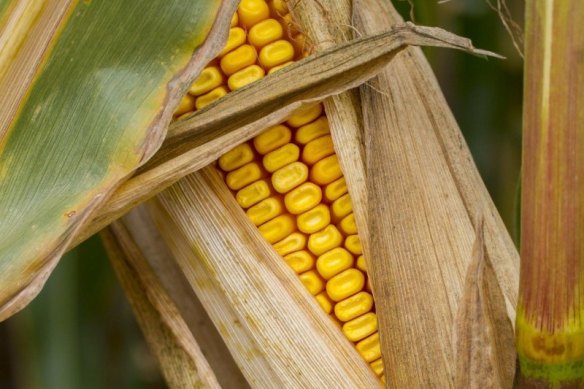
maisPollination is a natural way to deliver DNA into plant cells. So why not to use pollen as a vehicle for CRISPR machinery to start genome editing? HI Edit, as this approach is called, has been successfully tested by Syngenta in corn, Arabidopsis and wheat in the lab. Please see the paper just published in Nature Biotechnology by Timothy Kelliher et al., Jon Cohen’s piece in Science, and a quick guide to HI (haploid induction) from Current Biology. Leading wheat geneticist Cristobal Uauy of the John Innes Centre also showed high spirit, when asked for comment by email: “The possibility to genome edit any variety is revolutionary given that transformation is so difficult in many species. If I understand this correctly this would be a game changer as it would allow us to alter genes in elite cultivars.”

Editing Duchenne. Where are we now?

Duchenne CRISPR

© STEVE GRAEPEL (“Infographic: Treating Duchenne Muscular Dystrophy with CRISPR“, The Scientist, September 2018)

In 2013, multiple labs sharpened CRISPR molecular scissors against Duchenne muscular dystrophy, using cells from patients in vitro. In 2016, the dystrophin gene was successfully edited in mice. Then last summer, Eric Olson did it in dogs . Where are we now in the struggle to cure this severe type of myopathy afflicting 300,000 boys in the world? What is still needed to move into a clinical trial? Continue reading

CRISPR patent update

PatentDisputeThe patent landscape is getting more complex and fragmented, as more and more CRISPR patents are granted. The world’s eyes, however, are on the foundational patent soon to be granted to the University of California after an epic legal battle with the Broad Institute. That does not automatically mean the end of a story that will be studied in Intellectual Property textbooks. In the meantime, smaller disputes over key licenses are already heating up.

CasX: the smaller the crispier

cas treeTime will tell if it is going to become the preferred enzyme for genome editing or just another useful tool in the expanding CRISPR kit. But the future of CasX looks bright. It is much smaller than the nucleases that have provided a foundation for this technology. Being fewer than a thousand amino acids, it offers clear advantages for delivery in comparison with Cas9, that is over 1,300 Aa. Continue reading
Developing CRISPR for developing countries

iita

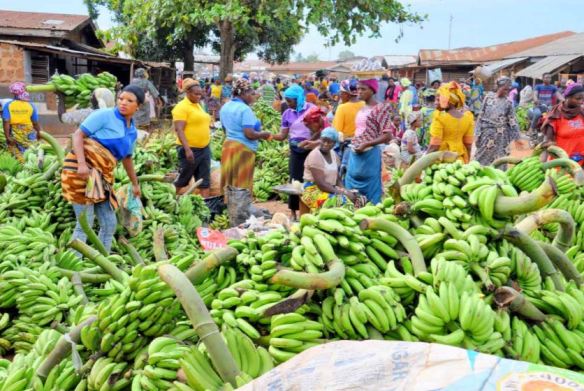
Researchers from the International Institute of Tropical Agriculture in Nairobi, Kenya, are using CRISPR to inactivate the banana streak virus DNA in the genome of plantain. Their strategy, reported in Communications Biology today, paves the way for improving banana breeding and getting better varieties of this staple food crop. This project is a welcome addition to the list of CRISPR applications being considered for developing countries’ agriculture, such as maize varieties resistant to lethal necrosis and cassava resistant to brown streak disease.


150 years after Mendel, say hello to CopyCat Mice

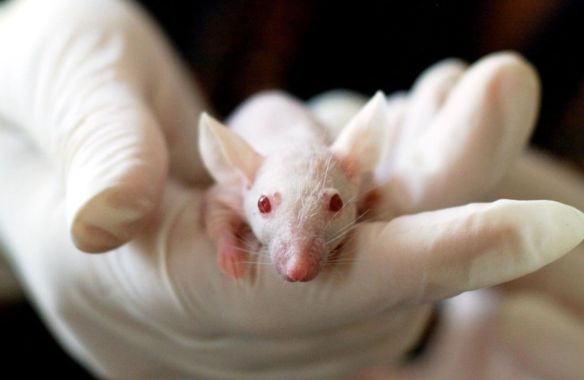
white miceDo you remember the first lab mice equipped with (almost) working CRISPR-based gene drives? The results were pre-printed in bioRxiv last July, but the paper by Kimberly Cooper and colleagues is published in Nature today.  The University of California San Diego has made a video explaining the experiment scheme. And Bruce Conklin, from the University of California San Francisco, comments “on the road to a gene drive in mammals” also in Nature. Below are few excerpts from his News&Views. Continue reading

CRISPR too serious not to laugh at

This slideshow requires JavaScript.

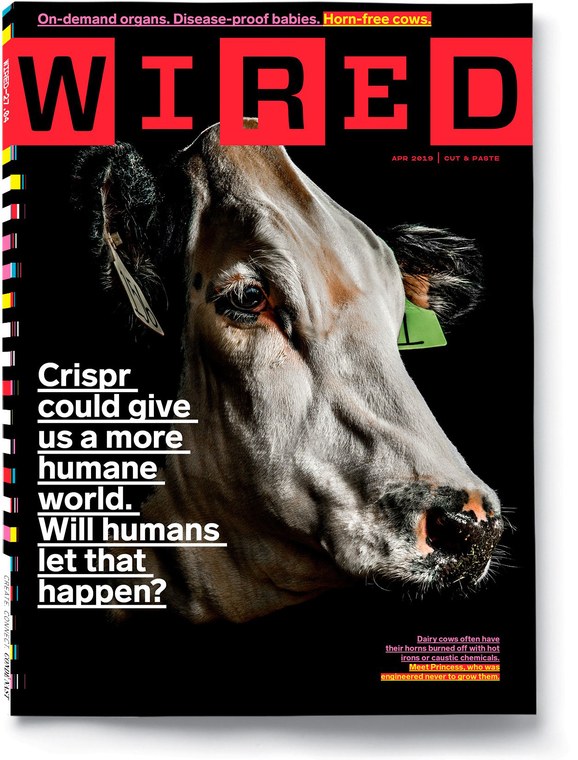
Dark matter is actually made of CRISPR. CRISPR can divide by zero. Jennifer Doudna didn’t discover CRISPR, CRISPR discovered Jennifer Doudna. Just take a look at this gallery and, if you like it, manage to get the paper on CRISPR digital ethnography published by Leah Lowthorp in the Journal of American Folklore. It all started with an overhyped Wired coverstory and a tweet by Daniel MacArthur (Harvard-MIT). A twitterstorm quickly followed, with over 1,500 tweets in two days. As you can see, CRISPR is too serious not to laugh at it!

From chili pepper to hot tomato?

this image shows jalapeño peppers (a cultivated variety of capsicum annuum) credit emmanuel rezende naves

Chili peppers have happily entered our kitchens with their capsaicinoid content, since Cristoforo Colombo brought then back from Central America. Capsicum species however are labour-intensive and difficult to grow. They are also notoriously recalcitrant to biotechnological intervention. Tomatoes are much handier in comparison. The Capsicum and Solanum clades split at least 19 Mya ago but comparative genomics has revealed that tomatoes retain all the necessary genes for pungency. Why not to harness CRISPR power to turn tomatoes into capsaicinoid biofactories then? Continue reading

Your CRISPR blogger tries the real thing

scuola crispr 1_2

My lab adventure in the Italian edition of Scientific American (Le Scienze)

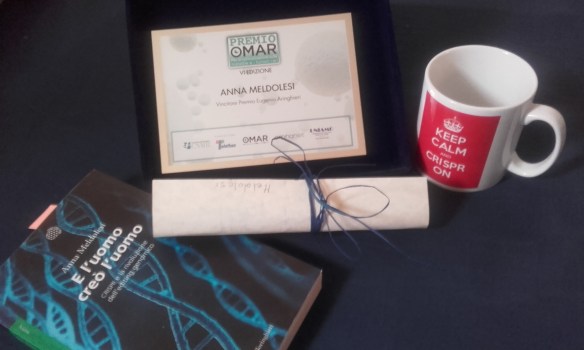
It’s never too late to learn how to rewrite a genome. So here I am, attending this CRISPR school. Forget the do-it-yourself kits sold over the internet. I am lucky enough to take the first practical course on genome editing organized by the Italian Society of Agricultural Genetics (Siga) in Grugliasco, at the Department of Agricultural, Forestry and Food Sciences of the University of Turin. After writing a lot about CRISPR, it’s time to try the real thing. Continue reading