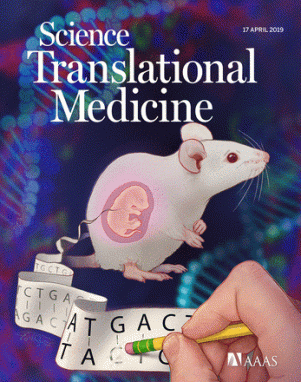
Researchers from Penn Medicine and Children’s Hospital of Philadelphia have fixed a lethal mutation in the prenatal mouse models of a rare pulmonary disease. The hope is that the approach of in utero editing described in Science Translational Medicine will work for other congenital lung diseases as well.
I asked one of the corresponding authors, Edward Morrison, scientific director of the Penn’s Institute for Regenerative Medicine, to explain what they have done and what to expect next. See Q&A below. Continue reading
 “Wow! Badass. 13,200 crispr base edits in a single cell! On the way to ‘recoded’ human cells,” tweeted Antonio Regalado before covering the news in
 Do you remember the
 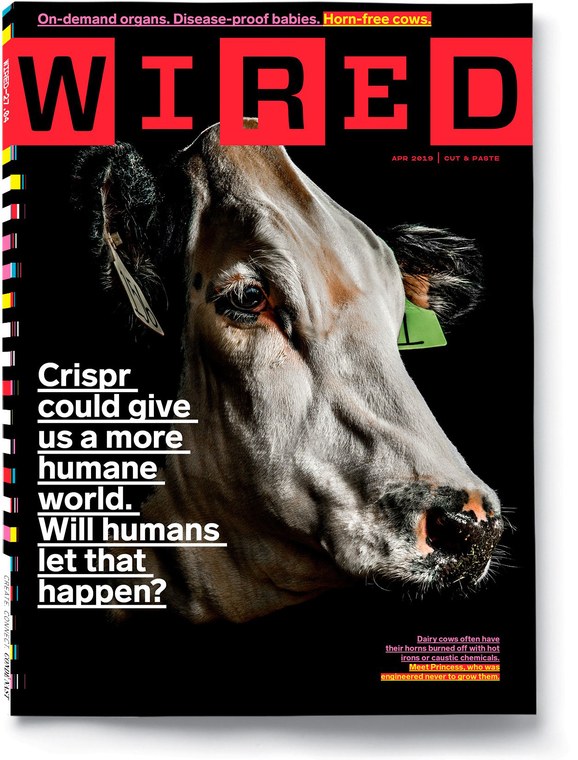 Edited animals are in the news this week.
  Where is Jennifer Doudna? This is the first thought most journalists had – me included – when reading the list of signatories to the call for the moratorium on heritable genome editing just published by
  Pollination is a natural way to deliver DNA into plant cells. So why not to use pollen as a vehicle for CRISPR machinery to start genome editing? HI Edit, as this approach is called, has been successfully tested by Syngenta in corn, Arabidopsis and wheat in the lab. Please see the paper just published in