Two papers and a news item not to be missed. The first one is “Genome-edited powdery mildew resistance in wheat without growth penalties” published in Nature by a Chinese team led by Caixia Gao.
Continue reading
Two papers and a news item not to be missed. The first one is “Genome-edited powdery mildew resistance in wheat without growth penalties” published in Nature by a Chinese team led by Caixia Gao.
Continue reading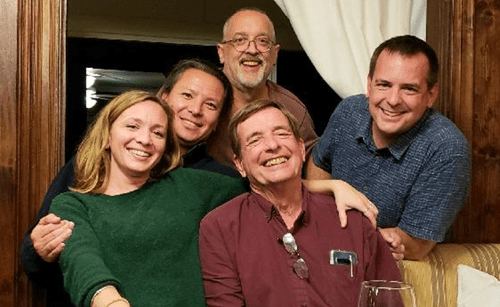
Doug Olson was treated with engineered T cells (CAR-T) for incurable leukemia in 2010, well before CRISPR was born. Over a decade later, he still is cancer-free (see the paper in Nature), and the pioneer of the approach, Carl June, is reported to have said the C-word: cured. As immunotherapy and genome editing are crossing paths, hopefully, we expect further good news from the CAR-T frontier in the future.
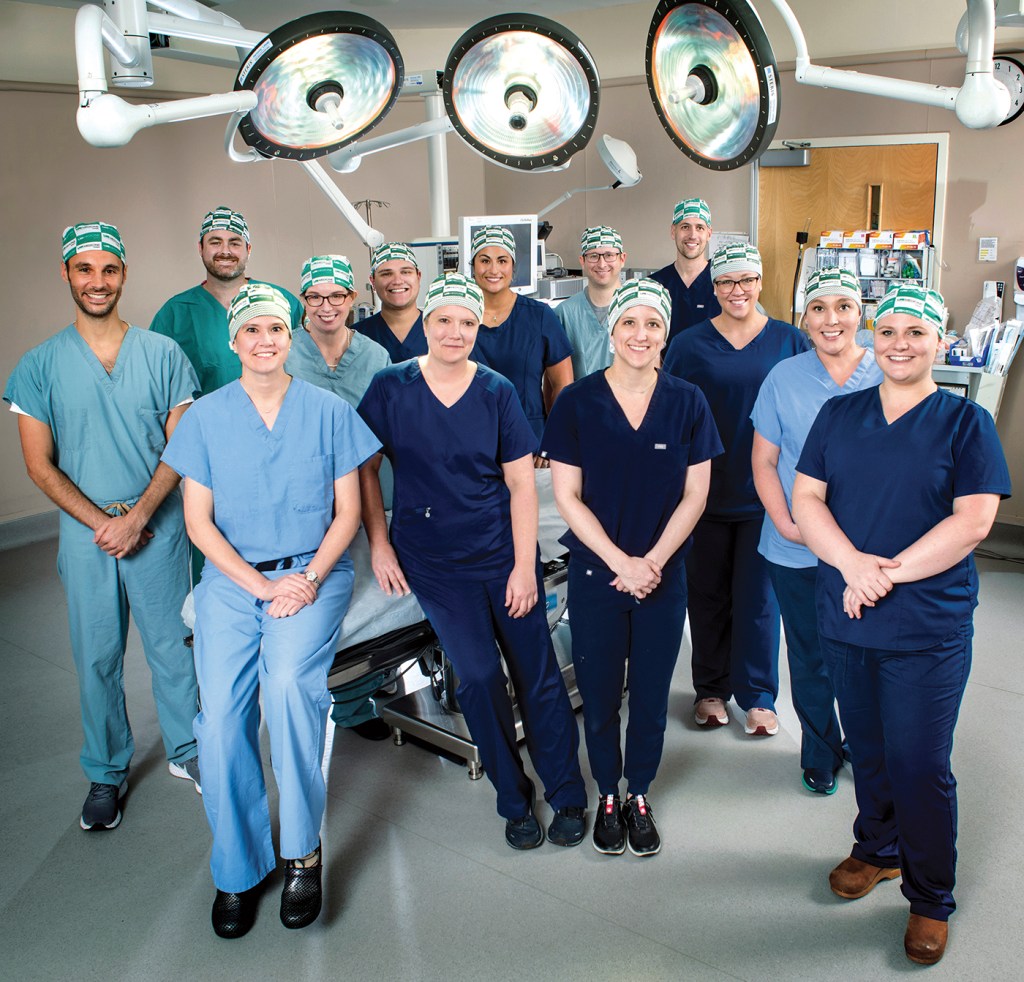
The first paper on a CRISPR xenotransplant is out in the American Journal of Transplantation. It’s about two swine kidneys with 10 modified genes transplanted into a dead brain man as a proof of concept. The surgery was performed on September 30 by Jayme Locke and colleagues from the University of Alabama at Birmingham.
Continue reading
If you like healthy food and biotechnology, you’ll love the news. Japan has given the go-ahead to market two CRISPR-edited fishes: a tiger puffer and a red sea bream, both developed by Regional Fish Co. together with Kyoto University and Kindai University.
Continue reading
As you probably know, on January 7 at the University of Maryland Medical Center in Baltimore a 57 years old man named David Bennett became the first human to have his heart replaced with that of a CRISPRed pig. But what does make a xenoheart suitable for transplantation?
Continue reading

The best way to summarize the new metaCRISPR approach, recently published in Nature Microbiology, is the Twitter thread by Jill Banfield:
Continue reading
Lulu and Nana are three years old. Amy is the name Nature Biotechnology uses to refer to the third CRISPR baby, born in late spring-early summer 2019. Their health is a closely held secret, that Vivien Marx has investigated for the journal’s December issue. “A full understanding of the health risks faced by the children due to their edited genomes may lie beyond the reach of current technology”, she writes. Despite or maybe because of that, the news feature is well worth reading. Below are a few points:
Continue reading
The first Investigational New Drug (IND) application for base-editing technology has been cleared by the Food and Drug Administration. BEAM-101, developed by Beam Therapeutics, is an ex vivo base-editing product candidate, meaning that it uses a modified form of CRISPR capable of making single base changes without double-stranded DNA cleavage.
Continue reading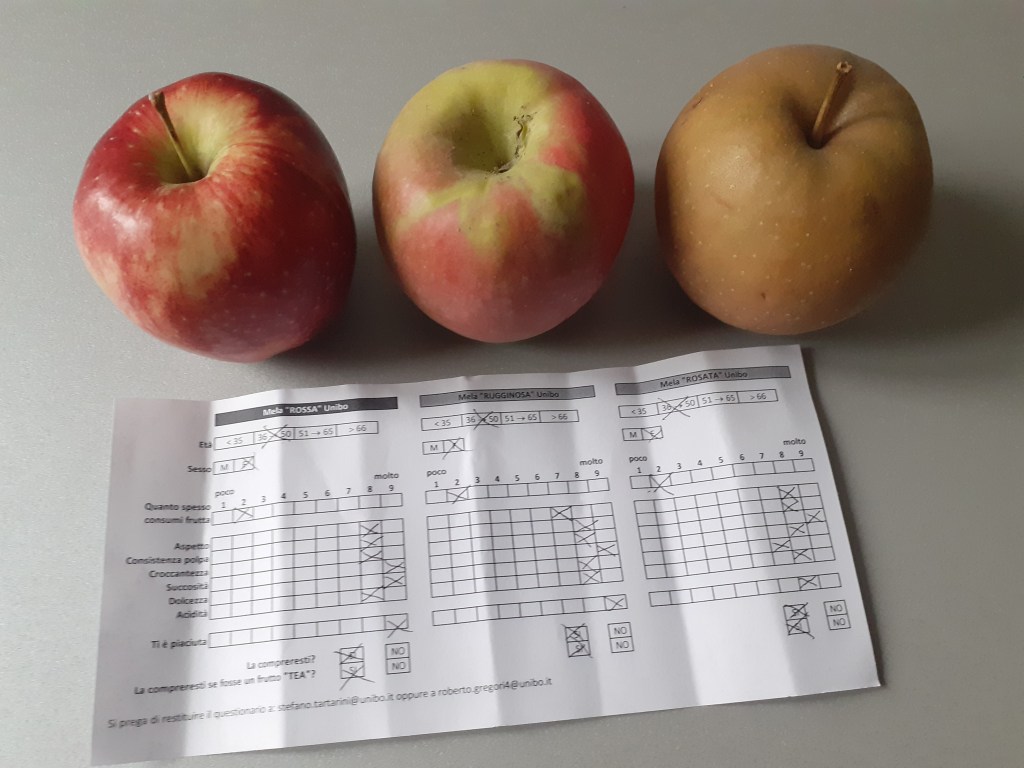
Three scab-resistant apples resulting from conventional breeding at the University of Bologna in Italy. I got them yesterday from prof. Stefano Tartarini at a workshop on NBTs (New Breeding Techniques, also called TEA in Italy, meaning Assisted Evolution Techniques). I filled out the evaluation questionnaire on the red, the pink, and the rusty apple. The last question is: would you buy it if it was a TEA fruit? A big yes from me! (My favorite is the rusty one).
 CRISPeR FRENZY