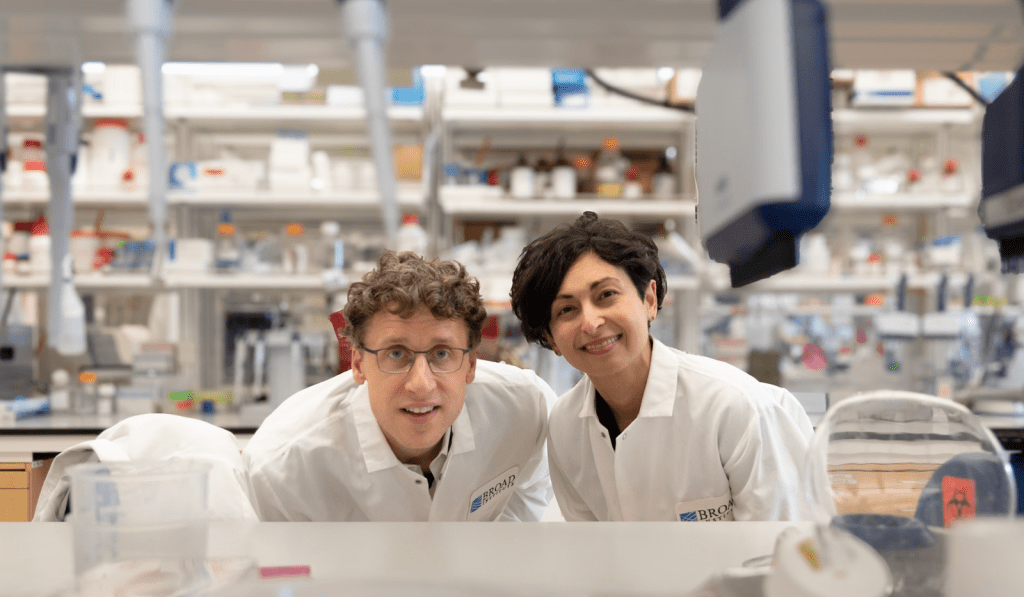
The rare story of Sonia and Eric: pioneers by force and by love

A scientific adventure whose ingredients include the looming threat of a fatal disease, the decision to reinvent themselves as biologists, and the goal of silencing prions.

The clinical trial with antisense oligonucleotides, born of their efforts, is considered one of the most interesting trials of 2025, but this is only a part of the story. This married couple is also pursuing other avenues to halt the onset of prion diseases. In the summer of 2024, they published a study in Science using epigenetic editing in mice. Then, in January 2025, their experiments with base editing were published in Nature Medicine. Yet Sonia Vallabh was a newly graduated jurist, and her husband, Eric Minikel, was working in urban planning, when they discovered that she carried a mutation that would condemn her to die of fatal familial insomnia within two or three decades.

Continue reading
Duchenne: a farewell and some timid hope

The death of pioneer patient Terry Horgan is a warning about the risks of viral vectors but the focus is now on the first gene therapy being approved in the US

On the chellenging frontier of advanced therapies, every death is a pain from which everything possible must be learned. The inauspicious outcome of the individual treatment for Duchenne muscular dystrophy developed by the non-profit Cure Rare Disease for Terry Horgan, and tested solely on this American boy, can teach little about the specifics of CRISPR. Indeed, the death occurred before the molecular editing machine could get into action. But the information on the case, circulated in May on a preprint archive awaiting peer-reviewed, is nonetheless a valuable contribution to the advancement of knowledge in an area where science has no intention of giving up.

Continue reading

The lesson of Terry, the pioneer patient who didn’t make it

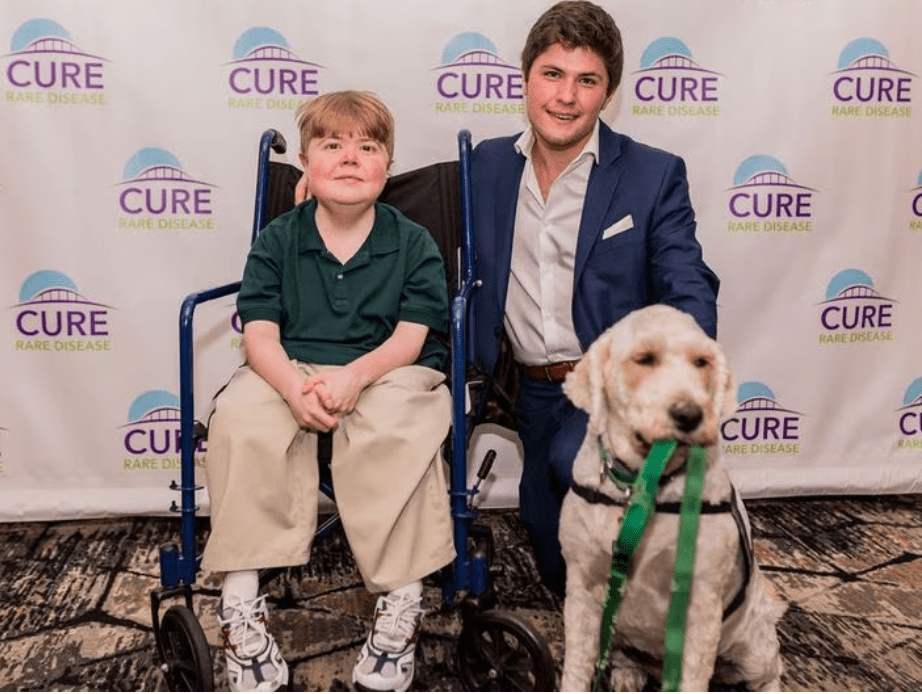
Terry and Richard Horgan (Courtesy of Cure Rare Disease)

He was the first patient to get a CRISPR therapy for muscular dystrophy. The first to receive a CRISPR treatment made specifically for him. And also the first to try a CRISPR approach that did not aim to change a DNA sequence but only its expression (epigenetic editing). Six months after Terry Horgan’s passing, his brother Richard disclosed the first information on the cause of death.

Continue reading