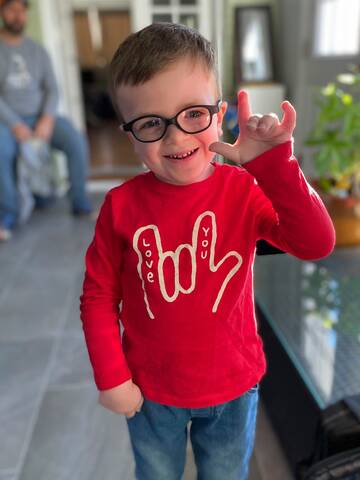
The lesson of little Adam: gene therapy and cancer risk

Four years after an experimental treatment for a rare disease, the child underwent surgery for cancer, the first case caused by a virus widely used as a vector, but he is now doing well.

The question of whether gene therapy using adeno-associated viruses (AAVs) can cause tumors has been the subject of intense debate over recent decades. Until now, our understanding of their mechanisms and the data collected over the years from thousands of patients had appeared reassuring. In fact, AAVs are the most commonly used vectors for “in vivo” therapies precisely because they usually deliver their package, containing the therapeutic gene, near the patient’s DNA without integrating into it, thereby avoiding disruptions. Will the risk-benefit balance now change, after the first documented case of a tumor linked to their use in a clinical trial?

Continue reading

Duchenne: a farewell and some timid hope

The death of pioneer patient Terry Horgan is a warning about the risks of viral vectors but the focus is now on the first gene therapy being approved in the US

On the chellenging frontier of advanced therapies, every death is a pain from which everything possible must be learned. The inauspicious outcome of the individual treatment for Duchenne muscular dystrophy developed by the non-profit Cure Rare Disease for Terry Horgan, and tested solely on this American boy, can teach little about the specifics of CRISPR. Indeed, the death occurred before the molecular editing machine could get into action. But the information on the case, circulated in May on a preprint archive awaiting peer-reviewed, is nonetheless a valuable contribution to the advancement of knowledge in an area where science has no intention of giving up.

Continue reading