Cholesterol down – ready set edit!

Last week Verve Therapeutics dosed the first patient with a candidate treatment for hypercholesterolemia. This is exciting news for a couple of reasons. First, the technology used: CRISPR 2.0, i.e., base-editing is hitting the clinic (see the news in Nature Reviews Drug Discovery). Second, this is a leap forward into common diseases (“CRISPR for the masses”, says The Washington Post) and a training session for the real challenge, which is to “stop the biggest killer on Earth”, cardiovascular disease (MIT Technology Review).

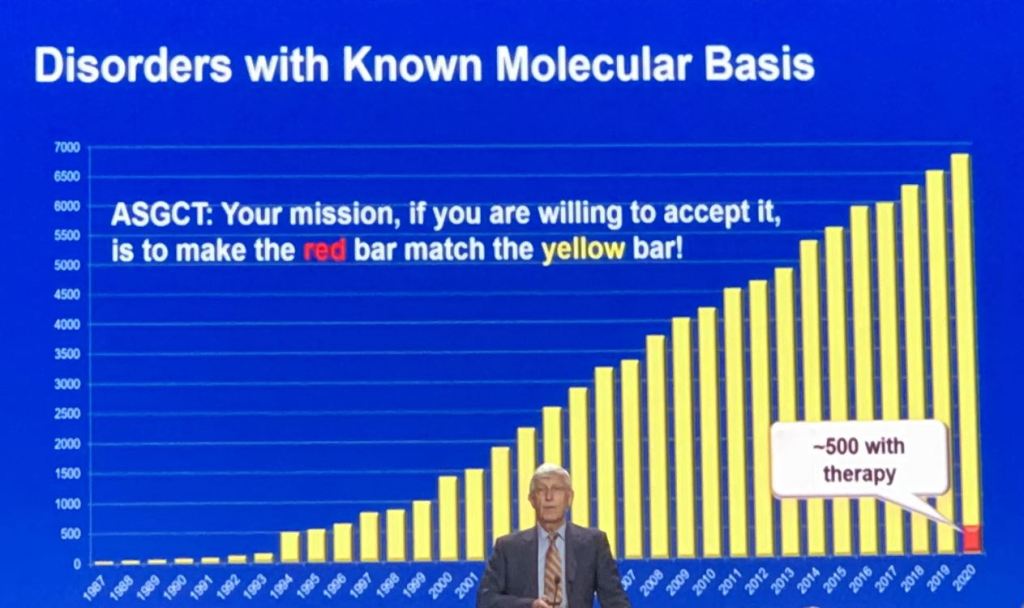
Picture of the week: Francis Collins’s bars

Francis Collins at the ASGCT 25th Annual Meeting

“Your mission is to make the red bar match the yellow bar”, urges a slide shown by Francis Collins at the annual meeting of the American Society of Gene & Cell Therapy held in Washington. There are almost 7,000 genetic diseases, but only about 500 with therapy. Most are not viable targets in a for-profit setting and won’t be managed by current gene-editing procedures. Hence the call to find something that is scalable. “We need a transformative approach.” Please read Kevin Davies’s account of the inspirational lecture given by the geneticist that led the Human Genome Project, then was appointed director of the NIH, and currently is Joe Biden’s scientific advisor.

Base-editing comes of age and more SCD news

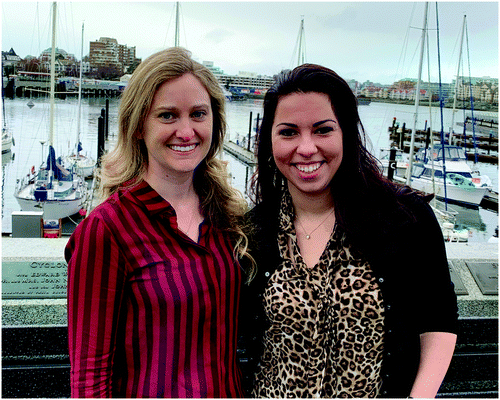
Alexis Komor and Nicole Gaudelli developed based editing when they were postdoc in David Liu’s laboratory at Harvard. Credit: The CRISPR Journal

The first Investigational New Drug (IND) application for base-editing technology has been cleared by the Food and Drug Administration. BEAM-101, developed by Beam Therapeutics, is an ex vivo base-editing product candidate, meaning that it uses a modified form of CRISPR capable of making single base changes without double-stranded DNA cleavage.

Continue reading

Meet the first CRISPR patients in Italy

Emanuele and Erika Guarini are brother and sister. They were treated for thalassemia respectively in November 2020 and August 2021 by the team of Franco Locatelli at Bambin Gesù hospital in Rome. Before the CRISPR-based treatment, they needed a blood transfusion every 15-20 days (source La Repubblica).

CRISPR patients, 3 reasons for hope

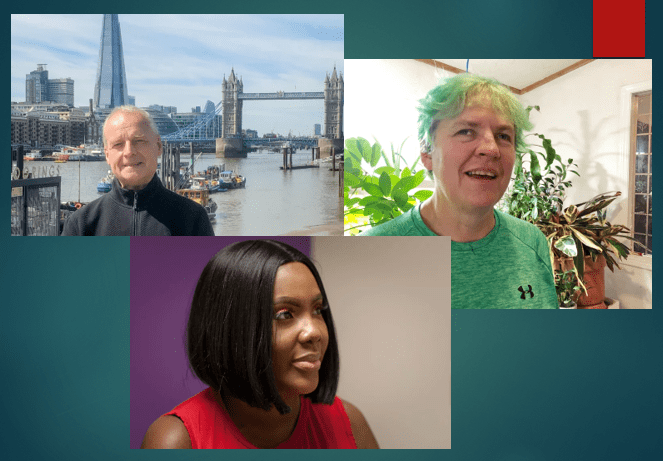
Patrick Doherty, Carlene Knight, and Victoria Gray (credit NPR)

There is one more hopeful story from NPR. It involves a woman with a congenital eye disorder who volunteered to have her retina edited. A few months ago, it was a man suffering from a rare liver disease. The first of all, as you probably know, was a woman struggling with sickle cell disease. Don’t miss their CRISPR stories!

Three August news not to be missed

by Philippa Steinberg

The Innovative Genomics Institute presents CRISPR Made Simple – the new online primer on gene editing made for kids or anyone starting from scratch.

The Broad Institute unveils SEND, a new delivery system inspired to retrotransposons (see Feng Zhang’s paper in Science)

Genotoxicity concerns: Nature Biotechnology explains how a cancer-associated phenomenon called chromothripsis could affect CRISPR therapies.

WHO’s roadmap on genome editing

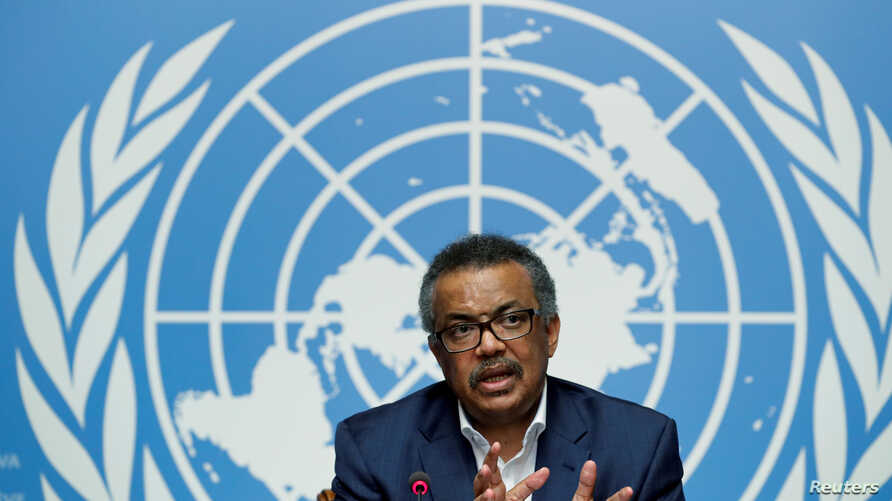
A multi-disciplinary panel of 18 experts from all over the world, a two years long consultation, over 150 pages. The much-awaited report of the World Health Organization on human genome editing was delivered on July 12 and is divided into three parts: A framework for governance, Recommendations, and Position Paper. While not legally binding, it is expected to influence both governments and the scientific community, by offering a roadmap based on widely shared ethical principles and usable policy tools.

Continue reading

Toward an NIH-validated CRISPR toolkit

The Somatic Cell Genome Editing (SCGE) Consortium is working to accelerate the development of better methods of editing. Seventy-two principal investigators from 38 institutions are pursuing 45 distinct but well-integrated projects, funded by the US National Institutes of Health with US$190 million over 6 years. A perspective published in Nature details their plans:

“New genome editors, delivery technologies and methods for tracking edited cells in vivo, as well as newly developed animal models and human biological systems, will be assembled—along with validated datasets—into an SCGE Toolkit, which will be disseminated widely to the biomedical research community. We visualize this toolkit—and the knowledge generated by its applications—as a means to accelerate the clinical development of new therapies for a wide range of conditions”.

Great progeria paper opens CRISPR new year

A paper published in Nature by CRISPR innovator David Liu and a giant in medical genetics, Francis Collins, raises great hopes for treating a rare, devastating pediatric disease causing premature-aging (Hutchinson-Gilford progeria syndrome). “The outcome is incredible,” according to gene-therapy researcher Guangping Gao. “Dance on the lab bench” amazing, according to editing pioneer Fyodor Urnov. Let’s be clear: the CRISPR variant called a base-editor has helped only progeria mice so far, but results are beyond anyone’s wildest expectations. One injection is enough to fix the single-letter mutation in several tissues, doubling mice’s lifespan. To learn more, see David Liu’s tweets and the NIH Director’s Blog.

Our CRISPR future, according to J. Doudna

The Nobel Prize for CRISPR is one of the most exciting ever assigned in chemistry and one of the most celebrated in the media, for reasons related to the invention and the inventors alike. On the one hand, the technique is changing the practice and the image of genetic engineering. On the other hand, Jennifer Doudna and Emmanuelle Charpentier are not merely great scientists; they are a success story in cracking the glass ceiling and a symbol of the strength of collaboration.

Continue reading