

The rising star of base editing shadowed classic genome editing last week. I’m sure you heard about the ground-breaking papers respectively published by David Liu and Feng Zhang in Nature and Science. CRISPR enthusiasts have probably already enjoyed the piece by Jon Cohen on the new approach, i.e., the rearrangement of atoms in individual DNA letters to switch their identity without even cutting the DNA strands. But let’s take a look also at The Scientist, which runs two must-read articles about the details of the experiments. The first take-home message is the latest achievements are exciting, but base editors are not better than CRISPR, they’re just different. The second one, there is still room for improvement with base editing, and the best is yet to come.




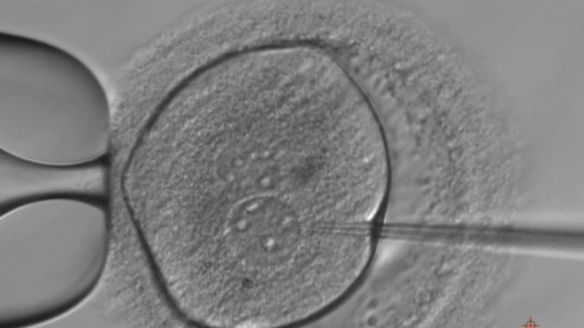 They are the first human embryos edited in Europe and reported in scientific literature. The key difference with experiments already carried out in China and US is that the research published by
 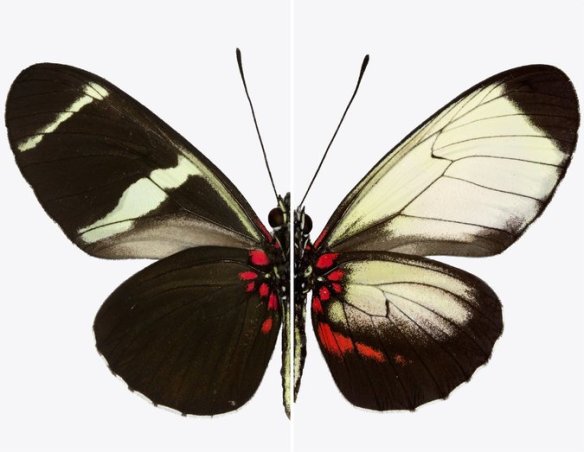 Biodiversity is a wonderful interplay between genetics and evolution, and butterflies are a fascinating example with their variety of patterns and colors. Understanding how the same gene networks engender visual effects so diverse in thousands of Lepidoptera species is a longtime ambition for many entomologists and evolutionary biologists. The good news is that scientists nowadays have a straightforward technique working with organisms that were difficult to manipulate with conventional biotech tools. Obviously, we are talking about CRISPR. Two papers published in PNAS last week describe how genome editing was used to alter the genetic palette of colors in butterflies and how their wings changed as a result. We’ve asked the entomologist Alessio Vovlas, from the Polyxena association, to comment these stunning experiments.
 CRISPeR FRENZY