

credit McKylan Mullins
If a donor template is not provided when CRISPR cuts the DNA, broken ends are fixed by natural repairing mechanisms in a way that is considered stochastic and heterogeneous. This makes template-free editing impractical beyond gene disruption, right? Wrong, according to a study published in Nature by Richard Sherwood and colleagues. Continue reading
 A proposal from the Netherlands Ministry of Infrastructure and the Environment points the way out of the GM regulatory impasse for most CRISPR crops in Europe. Rather than trying to clarify ambiguous definitions, the EU could simply amend Annex B1, that is the list of technologies that are excluded from regulation by the directive on GMOs (2001/18/EC).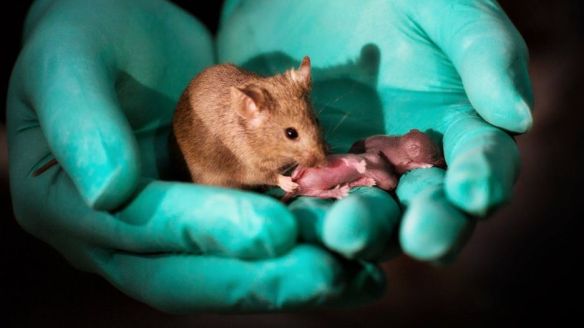
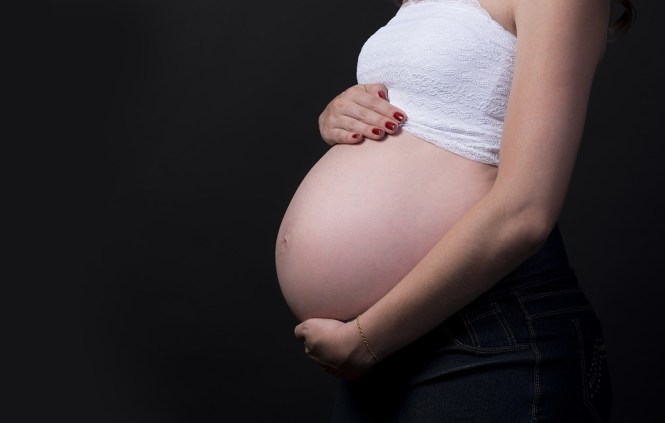 It’s another CRISPR first: fixing a hereditary disease in utero. Scientists from Pennsylvania University and the Children’s Hospital of Philadelphia used a base editor to rescue tyrosinemia in fetal mice. “The results of this proof-of-concept work demonstrate the possibility of efficiently performing gene editing before birth, pointing to a potential new therapeutic approach for selected congenital disorders,” Avery C. Rossidis and colleagues write in
  “Agricultural research, or a new bioweapon system?”. This is the question asked by Guy Reeves et al. in a policy forum published in


 CRISPeR FRENZY