

Assobiotec tasting event in Milan (photo credit: Marco Marazza)
When toasting during Christmas holidays, perhaps with a glass of Italian sparkling prosecco, think about it: viticulture in Europe occupies 3% of the cultivated area, but it accounts for 65% of all fungicides employed in agriculture. The adoption of new wine grape varieties resistant to powdery and downy mildew could significantly cut chemical use. If fairly regulated, advanced biotech tools such as CRISPR could help sustainability without losing anything of the genetic identity of iconic varieties. Continue reading


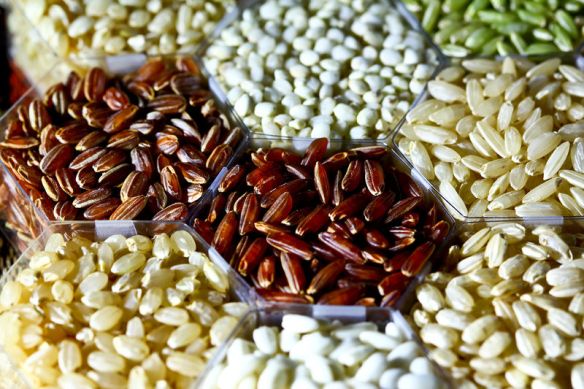 Just imagine you could find them all on the supermarket shelves, would you buy rice labeled as CRISPR or GMO, or stick to conventional non-genetically modified rice? And what price would you consider fair? Aaron Shew and colleagues from the University of Arkansas conducted a multi-country assessment of willingness-to-pay for and willingness-to-consume a hypothetical CRISPR-produced food and published their findings in Global Food Security.
  The European Commission’s Group of Chief Scientific Advisors has published a
 A proposal from the Netherlands Ministry of Infrastructure and the Environment points the way out of the GM regulatory impasse for most CRISPR crops in Europe. Rather than trying to clarify ambiguous definitions, the EU could simply amend Annex B1, that is the list of technologies that are excluded from regulation by the directive on GMOs (2001/18/EC).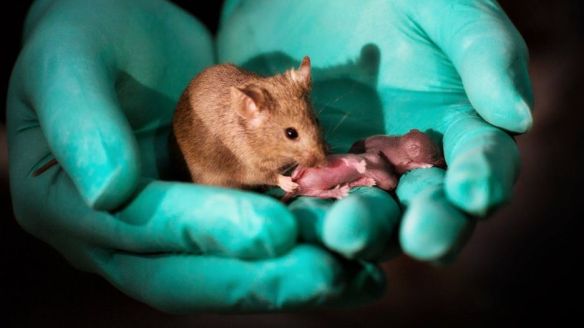
 It’s another CRISPR first: fixing a hereditary disease in utero. Scientists from Pennsylvania University and the Children’s Hospital of Philadelphia used a base editor to rescue tyrosinemia in fetal mice. “The results of this proof-of-concept work demonstrate the possibility of efficiently performing gene editing before birth, pointing to a potential new therapeutic approach for selected congenital disorders,” Avery C. Rossidis and colleagues write in
  CRISPeR FRENZY