Merry Little CRISPR
Reply


The following is an excerpt from the news section of the Leopoldina website. Please note that DFG stands for the German research funding organization.
The Leopoldina, the Union of German Academies and the DFG have drafted recommendations for ensuring science-based regulation of genome edited plants in the EU. These recommendations include the amendment of European genetic engineering legislation.
Continue reading
Exactly one year ago, AP News went public with the CRISPR-babies story. What happened to He Jiankui then? His trace was lost after the picture of him sequestered in a university guesthouse in Shenzhen.
How are Lulu&Nana? Nobody knows, but at least the study suggesting they might die early has been retracted.
What became of the global governance of germline editing? Waiting for the Science academies and the WHO reports in 2020.
What about the next baby-editing? Denis Rebrikov says he plans to do extensive safety checks before seeking approval to implant an edited embryo.
Last but not least, how many couples are interested in germline editing? Very few, according to calculations published in The CRISPR Journal.

The picture shows a moment in the sample-collecting effort leading to this Pnas paper about a novel heat-tolerant CRISPR enzyme called IgnaviCas9. Exploring nature’s molecular diversity in extreme environmental conditions such as Yellowstone hot springs can yield exciting discoveries and applications.
Continue reading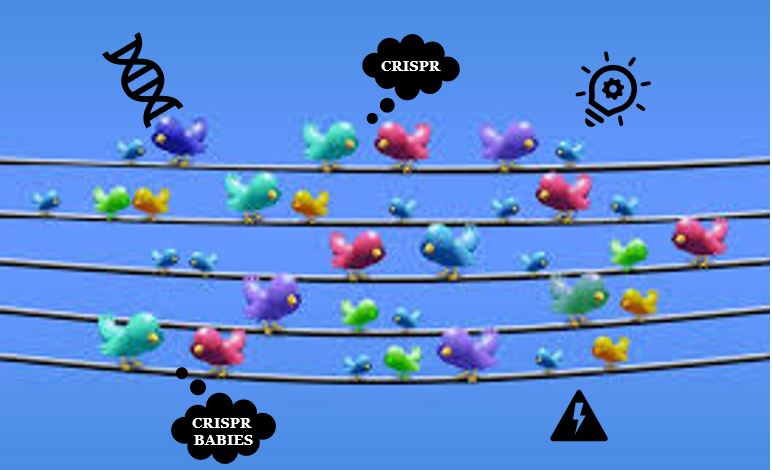
The analysis of tweets discussing CRISPR from 2013 to 2019 shows that public enthusiasm for genome editing has cooled a bit, and that’s physiological. As you can see below, a bioRxiv paper associates peaks of strong negative sentiments with specific events.
Continue reading
China is the “Innovation Nation” and “The next biotech superpower”, according to the November issue of Nature Biotechnology. Beijing is “set to challenge the pre-eminence of the US drug market. If it can address gaps in its R&D ecosystem and clinical infrastructure, it may even become a home for biotech innovators”, says the editorial.
Continue reading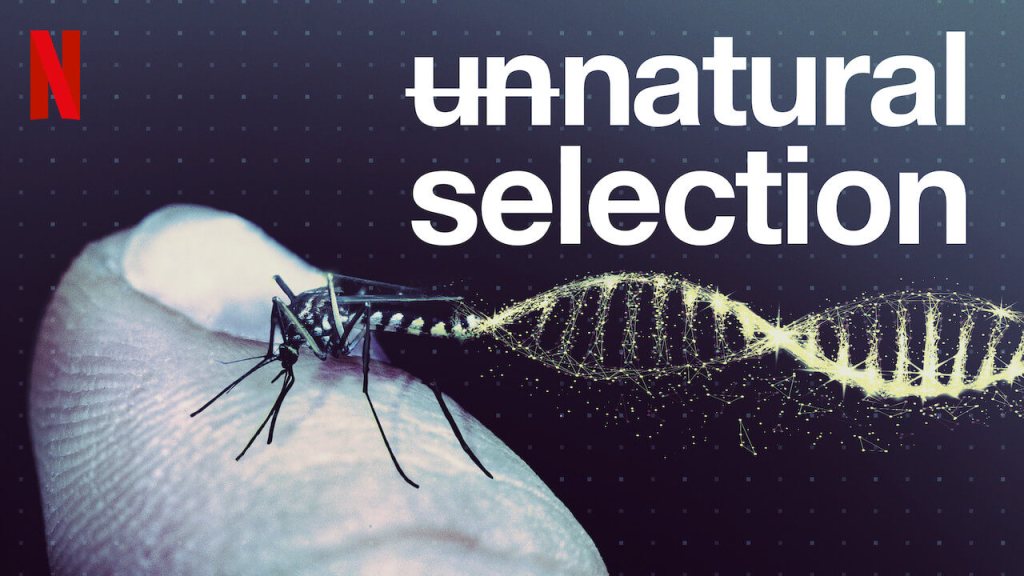
I binge-watched Unnatural Selection, as many CRISPR enthusiasts have done. My review in a few words: the Netflix miniseries is a patchwork of bad and good. On the minus side, too many biohackers and too little real science. On the plus side, some interesting reporting on social issues, such as public engagement of local communities and the challenge of patient access to novel therapies. To sum up: episode 1 on biohacking is the worst, episode 3 on gene drives is the best. So my advice is: don’t give up at the first disappointing scenes. You might want to, but do not stop.

Great piece of science by the Liu Lab in Nature, describing the brand new “Search-and-replace genome editing without double-strand breaks or donor DNA”. How is the CRISPR community reacting?
Best quote: “One of those ‘Yay, science!!!’ kind of moments” (Fyodor Urnov quoted in Science)
Most ironic: “Congratulations @davidrliu. We’d probably have published this paper as well (The CRISPR Journal tweet)
Best title: Genome Editing Heads to Primetime (Genetic Engineering and Biotechnology News)
Most understated: A New Gene Editing Tool Could Make CRISPR More Precise (Smithsonian Mag)
Most hyped: A New CRISPR Technique Could Fix Almost All Genetic Diseases (Wired)
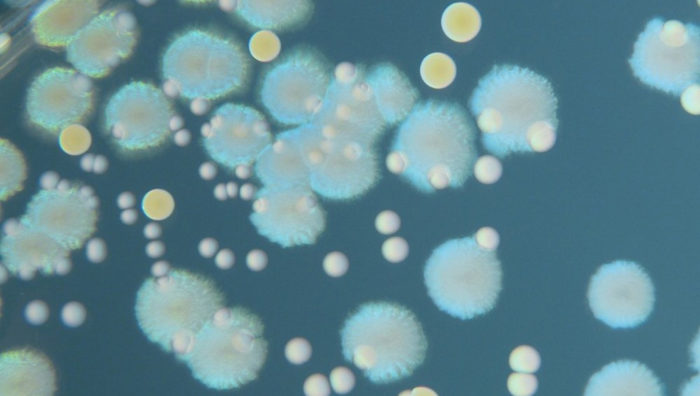
CRISPR evolved in bacteria as a defense mechanism against viral infections. But now researchers are turning the same weapon against bacteria themselves, hoping to defuse antibiotic resistance, which according to WHO is one of the biggest threats to global health.
Continue reading
