The Innovative Genomics Institute runs a program aiming to “supercharge plants and soils to remove carbon from the atmosphere” with the help of CRISPR and funding from the Chan Zuckerberg Iniziative. I asked Andy Murdock, communications director at IGI, three questions to update the picture. Please see his answers below.
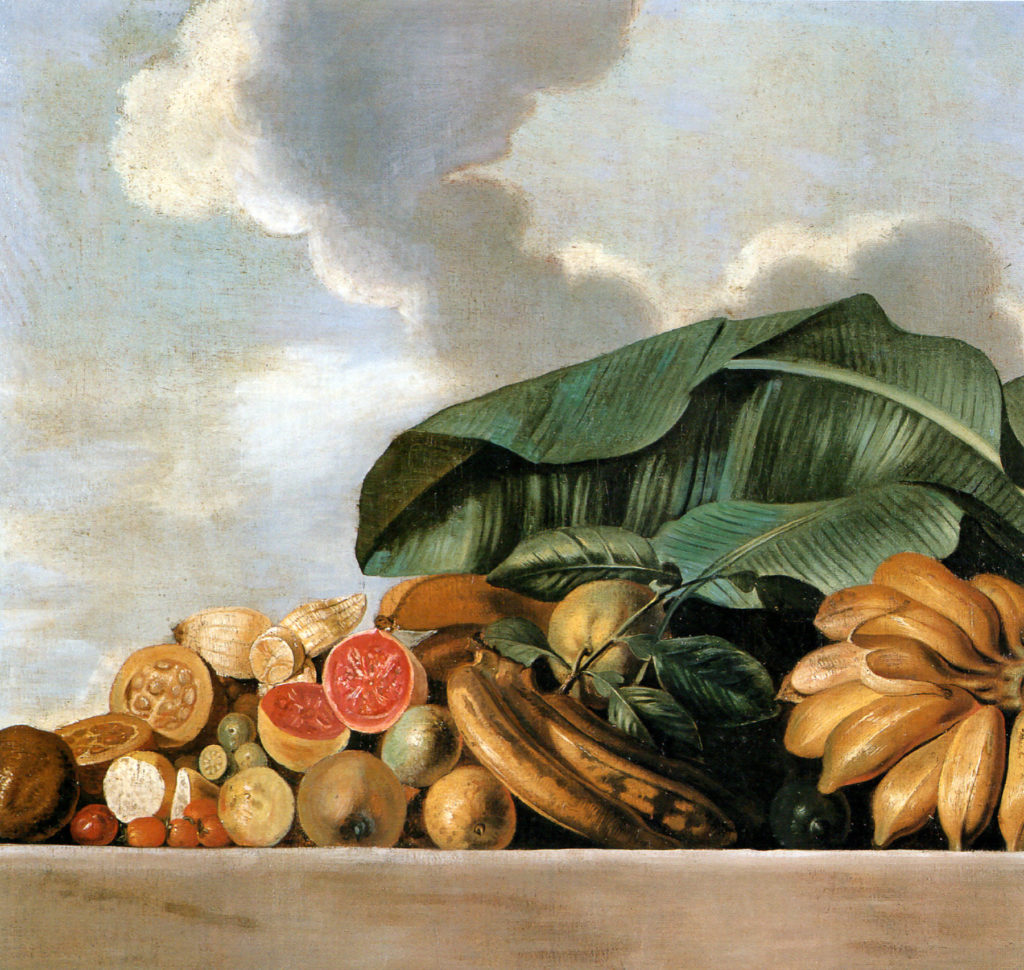
Albert Eckhout: Still-life of citrus fruit and bananas
The alarm about the impending extinction of bananas has been raised over and over in the media over the past decade. How worried do we need to be? And what are plant geneticists doing to ensure long life for this fruit loved by consumers around the world and celebrated by so many artists?
Beating the heat is one of the goals most vigorously pursued by plant geneticists. A solution is not yet in sight, but after so many years of research, it is clear that there are several avenues worth exploring. The three most important things are testing, testing, testing. The first consideration is that plants can adopt different strategies to survive when water is scarce. You can distinguish between drought resistance and water use efficiency, or go subtle by talking about drought avoidance, drought escape, and drought tolerance. Another basic premise is that drought can vary in intensity and duration, so that a plant capable of tolerating moderate stress may still succumb under more extreme conditions. Further complicating matters is the fact that, to be adopted by farmers, future crops will have to prove not only more resilient but also as productive as the varieties they are intended to replace. Two strategies are being pursued at the University of Milan with the help of CRISPR.
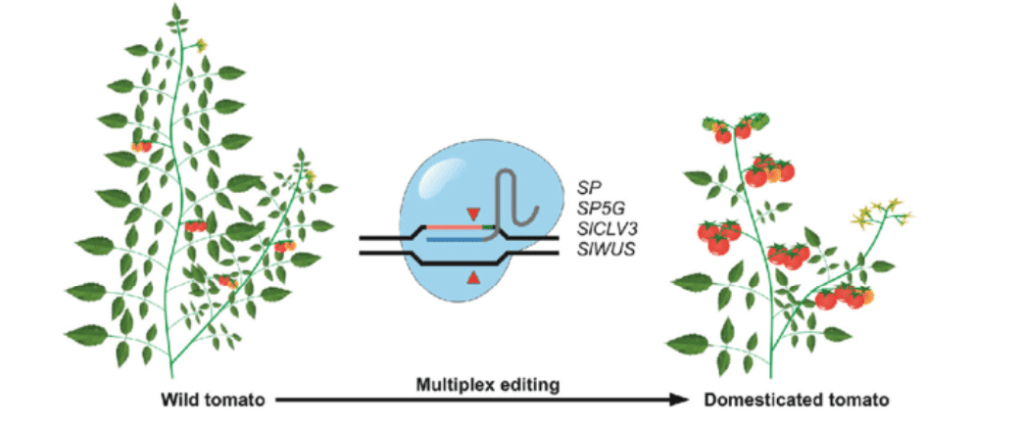
The world’s food supply depends on about 150 plant species, but this number could increase, even considerably. In fact, 250 species are considered to be fully domesticated, while 7,000 are semi-domesticated and 50,000 are edible. In the genomic era domestication may not require centuries and millennia, as was the case in the early days of agriculture. The process could happen at an accelerated pace, within a few years, taking advantage of modern knowledge about useful traits and new tecnologies such as gene editing.
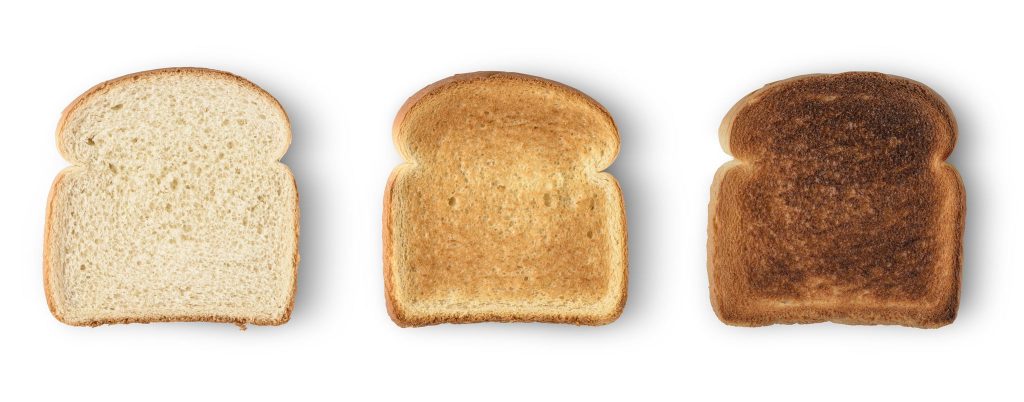
I bumped into this video of Nigel Halford brilliantly explaining what the problem is with acrylamide in our food and how he recruited CRISPR to lower its content in wheat. Acrylamide is a highly undesirable processing contaminant discovered in 2002. “It’s a big issue for the food industry because it’s carcinogenic, at least in rodents, and probably also in humans, and has also effects on development and fertility”, he says when interviewed at the Euroseeds Congress 2022.
Nutritional improvement of crops is one of the fields set to gain from the advent of genome editing. Let’s take vitamin D3. People suffering from its deficiency in the world number about one billion. Plants do not contain it naturally, but some of them (solanaceae) are able to produce its precursor (cholesterol) within a biosynthetic pathway that leads to the synthesis of certain secondary metabolites (glycoalkaloids). Luckily, they can be induced to accumulate provitamin D3 by switching off the gene responsible for this reaction.
A few months ago Nature Geneticspublished an article on “Genome-edited crops for improved food security of smallholder farmers”. It lists the applications being studied at the CGIAR consortium of agricultural research centers: “climate resilience in rice; disease resistance in banana, maize, potato, rice, wheat and yam; and nutrition improvement and consumer and environmental safety traits in cassava”. Additional traits include “brown streak virus resistance and haploid induction in cassava; nutritional quality and digestibility in bean; Striga resistance in sorghum; low phytate and high provitamin A in maize; reduced acrylamide, phytate and polyphenol oxidase in wheat; reduced aflatoxin in groundnut; delayed flour rancidity in pearl millet; reduced glycaemic index and apomixis in rice; and heat tolerance and apomixis in potato”. We emailed the CIMMYT’s scientist who leads theGenetic Resources work and is the first author of the NatGen article for an updated comment about the CGIAR’s vision of genome editing in agriculture.Kevin V. Pixleyanswers our questions below.
How long will we have to wait for the first wheat varieties genetically edited to resist drought? We asked geneticists gathered in Bologna to discuss the future of pasta.
The climate crisis threatens the grain that feeds the world. If you think this is an exaggeration, think again. Wheat scientists expect a 6-7% decline in yield for every degree increase in temperature. This a decrease we cannot take lightly, knowing that wheat is the most widely grown cereal in the world and provides two and a half billion people with 20 percent of their carbohydrates and protein.
A timely update on durum wheat multidisciplinary research (and genome editing projects) towards a more sustainable and resilient durum wheat chain capable of enhancing food security while providing more nutritious grain and a healthier diet. See you in Bologna next week!
On April 29, the European Commission launched an online public consultation on whether the EU regulatory framework should be reformed to keep pace with scientific and technological advances. The results, released on the consultation website, show a clear majority in favor of rethinking the current rules, which were approved when New Genomic Techniques (NGTs) such as targeted mutagenesis (i.e., CRISPR) did not yet exist. Here are the highlights: