First CRISPR treatments in Italy

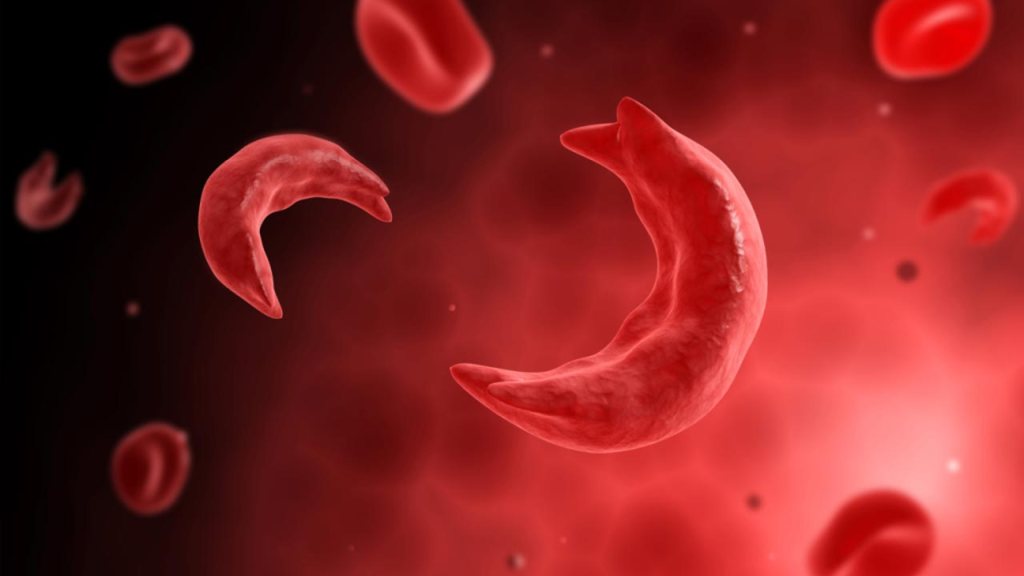
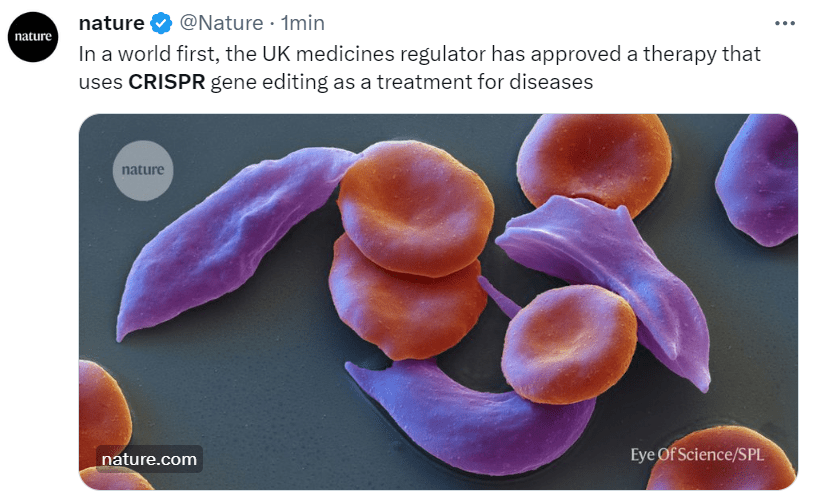
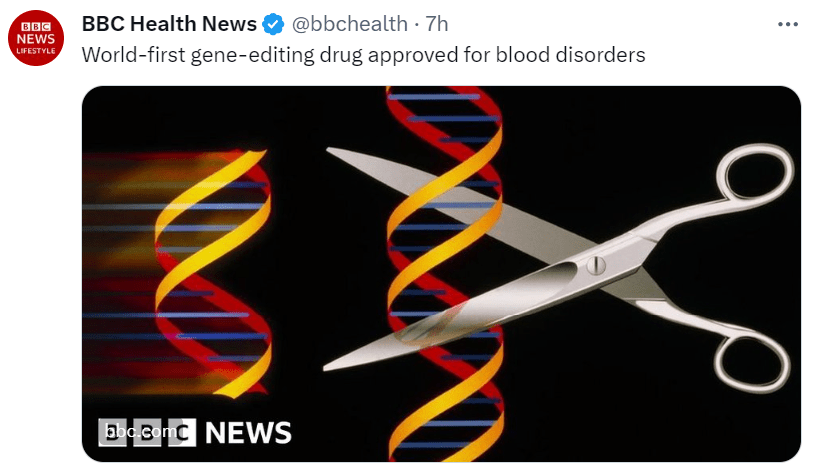
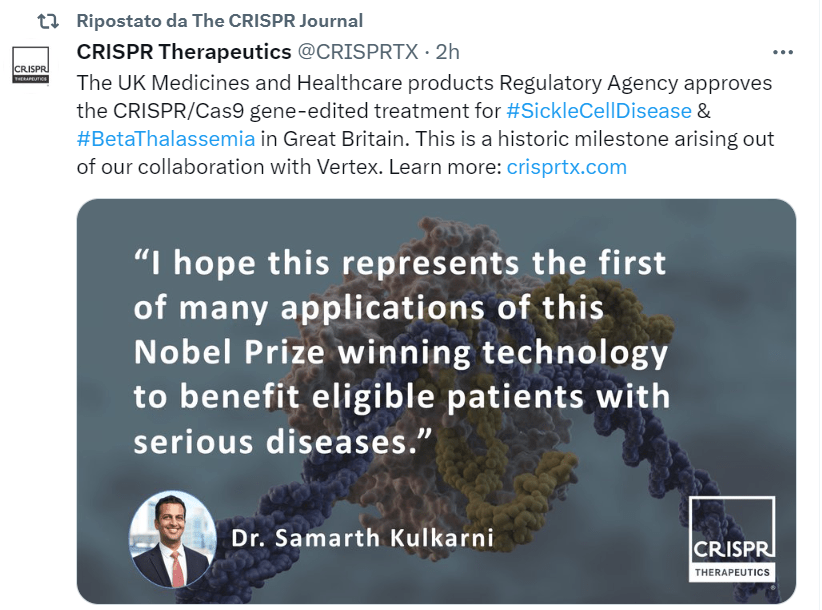
Italy has begun administering the first CRISPR-based treatment. The therapy for sickle cell disease and beta thalassemia (Casgevy) has already been delivered to four patients across three clinical centers within a month. The announcement was made during the conference “Italian Primacy in the Treatment of Hemoglobinopathies” held yesterday at the Senate.
For more information, we recommend Francesca Ceradini’s article in Osservatorio Terapie Avanzate.

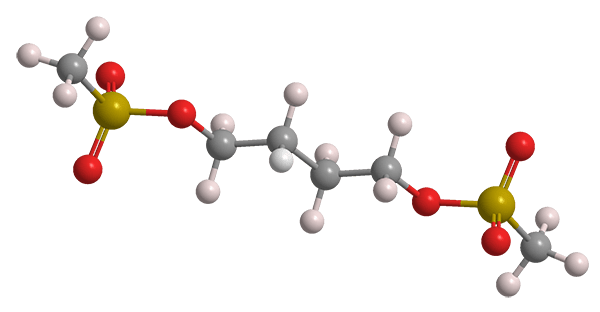
Chemotherapy pretreatment claims a victim in a CRISPR trial

Busulfan 3D

Experimental patients often find themselves in a paradoxical situation: they must be sick enough to qualify for a clinical trial but healthy enough to endure its side effects. They also need the audacity to subject their bodies to protocols whose safety and efficacy remain unproven. For this reason, many describe them as pioneers or even warriors.

Continue reading

Wishing you the best, Kendric!

This photo shows the first American “non-experimental” patient leaving the hospital after completing the CRISPR-based treatment for sickle cell anemia (Casgevy). The New York Times detailed this “official first,” which followed the success of a clinical trial involving dozens of patients like Victoria Gray. We still know little about the first person who is beginning treatment in Europe since this therapy became an “approved drug”. According to Osservatorio Terapie Avanzate he is a young adult (23 years), who arrived in Italy in 2014 and living in the Umbria region, where is being also treated. Undergoing cell extraction and reinfusion of edited cells is an invasive and exhausting process, but now the American Kendric Cromer (12 years old) and other “first patients” can hope to lead full lives—without painful crises or blood transfusions. Best of luck!

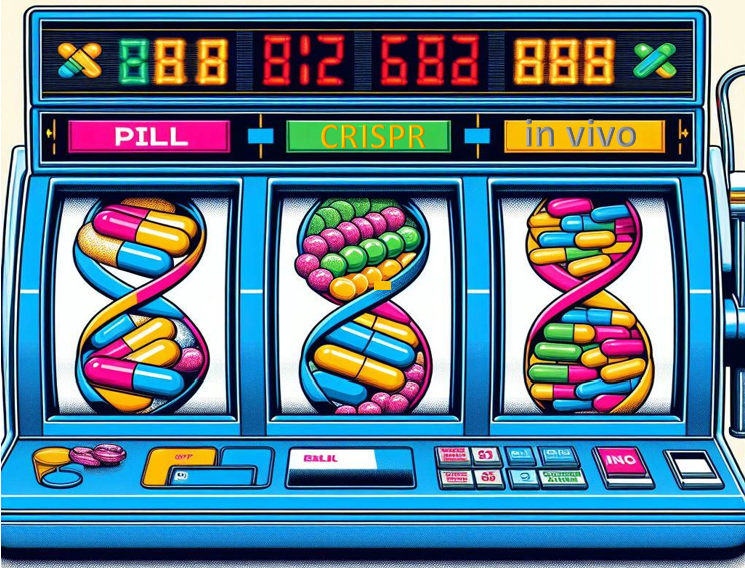
Better than Casgevy? Three paths to explore

Credit: Bing Image Creator

Not only sickle cell anemia, now thalassemia as well. On January 16, the Food and Drug Administration completed the approval process for the second type of hemoglobinopathy too, while the European Medicines Agency is expected to give the green light in the coming months. It took just over a decade to go from the invention of the Cas9 genetic scissors to the first approved treatment, and the excitement over the milestone achieved in record time is more than justified. Yet an article in MIT Technology Review has already turned the spotlight on the next challenges. The title is, “Vertex developed a CRISPR cure. I’ts already on the hunt for something better”. Gentler conditioning for ex vivo gene editing, new vectors for in vivo delivery, and maybe even a pill mimicking the Casgevy mechanism without modifying DNA. This is how CRISPR researchers try to out-innovate themselves.

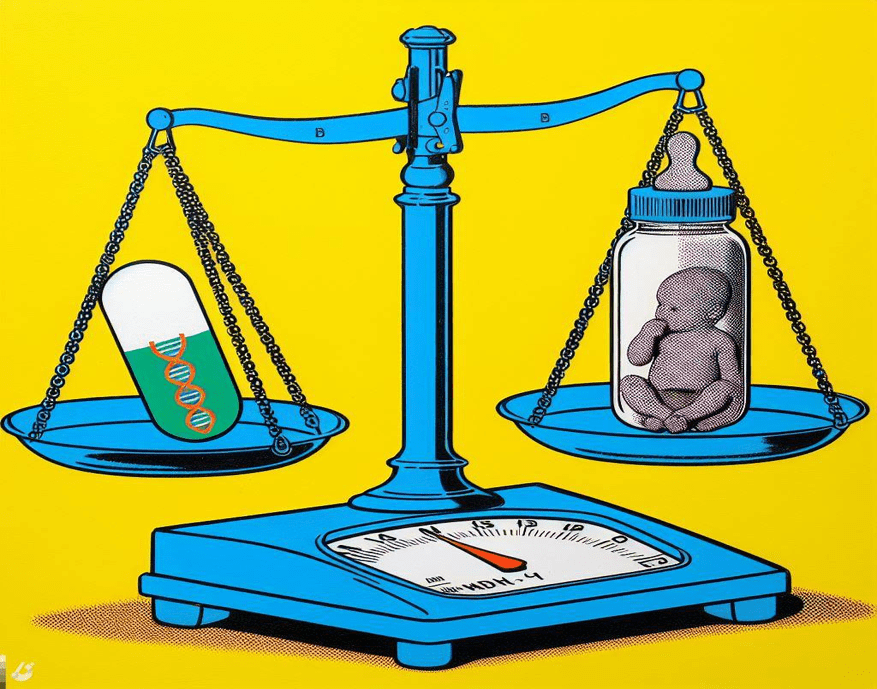
The dilemma of the first CRISPR patients: cure or fertility?

Credit Bing Image Creator

The approval of Casgevy, the new CRISPR option for sickle cell disease, is big news for American patients. The list price is high ($2.2 million) although lower than the non-CRISPR gene therapy approved by the FDA for the same pathology the same day. But in addition to economic sustainability, another issue worries scientists, clinicians, and patients: infertility.

Continue reading

Crispy weekend reads

This is an issue for all tastes and interests. Don’t miss (Broken) Promises of Sustainable Food and Agriculture through New Biotechnologies by Todd Kuiken, Rodolphe Barrangou and Khara Grieger; A Code of Ethics for Gene Drive Research by George Annas and other members of the Controlling and Countering Gene Editing in Mosquitoes research project funded by the DARPA Safe Genes program; The Cas9 Hammer and the Sickle by Fyodor Urnov.

Three hopes for CRISPR

easter eggs

Off-target paper retraction: Nature Methods has retracted a controversial study questioning CRISPR precision, after its authors admitted they were probably wrong. This blog’s wish is that future studies on CRISPR flaws and virtues are as reliable as the genome-editing technique.

Deregulation statement: US Secretary of Agriculture Sonny Perdue has announced that USDA will not regulate edited plants as long as they could have been created through conventional breeding. Let’s hope Europe will follow the example.

Gene therapy going “organic”: that’s the hope expressed by Merlin Crossley, when commenting his Nature Genetics paper on mutations beneficial to patients with β-thalassemia and sickle cell anemia. The word organic here means that fetal hemoglobin production can be boosted without inserting foreign DNA.