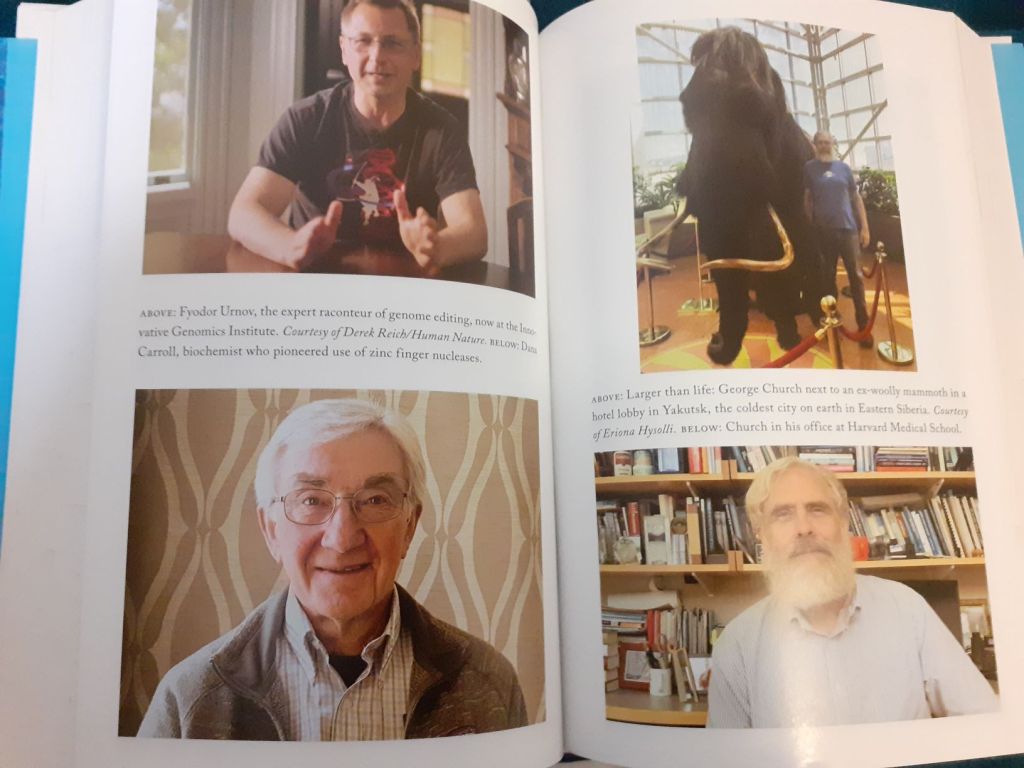
A paper published in Nature by CRISPR innovator David Liu and a giant in medical genetics, Francis Collins, raises great hopes for treating a rare, devastating pediatric disease causing premature-aging (Hutchinson-Gilford progeria syndrome). “The outcome is incredible,” according to gene-therapy researcher Guangping Gao. “Dance on the lab bench” amazing, according to editing pioneer Fyodor Urnov. Let’s be clear: the CRISPR variant called a base-editor has helped only progeria mice so far, but results are beyond anyone’s wildest expectations. One injection is enough to fix the single-letter mutation in several tissues, doubling mice’s lifespan. To learn more, see David Liu’s tweets and the NIH Director’s Blog.
CRISPR highlights in 2020
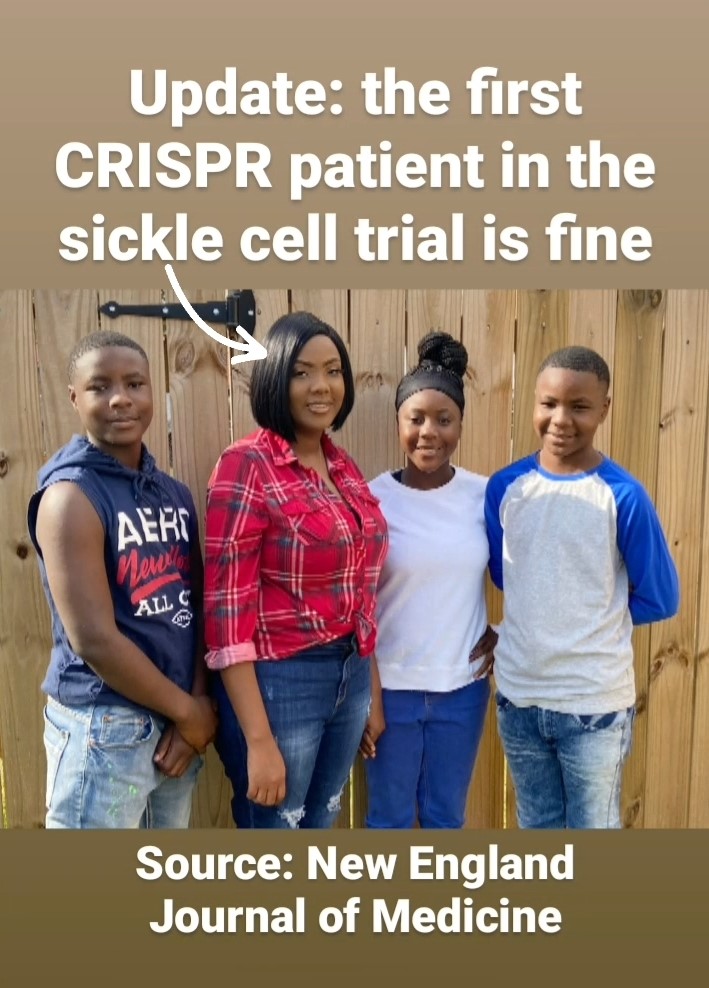
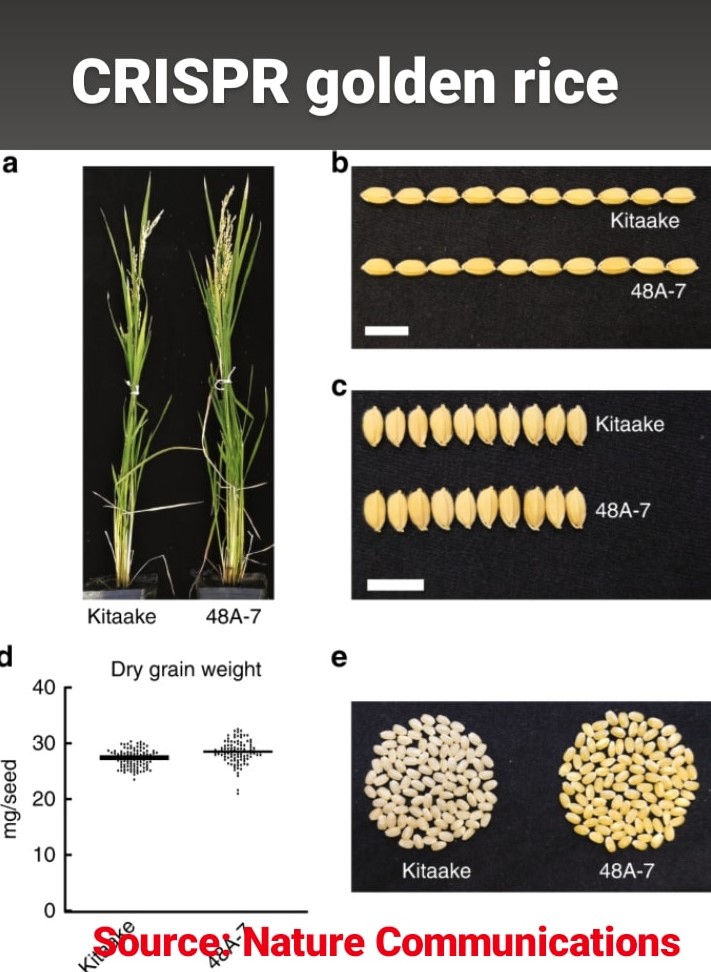
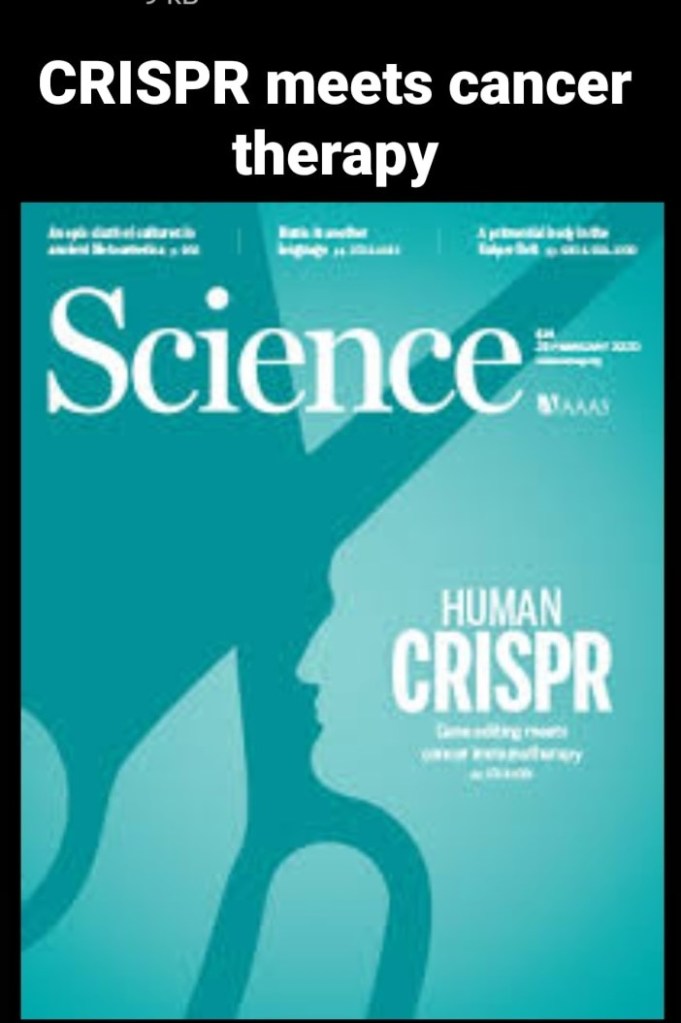
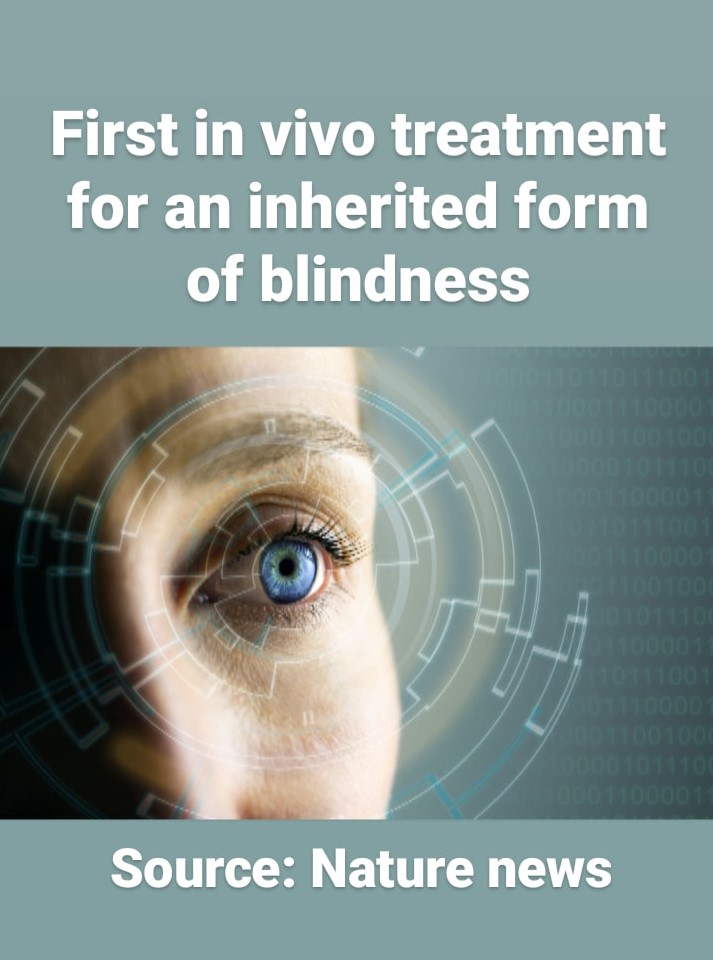
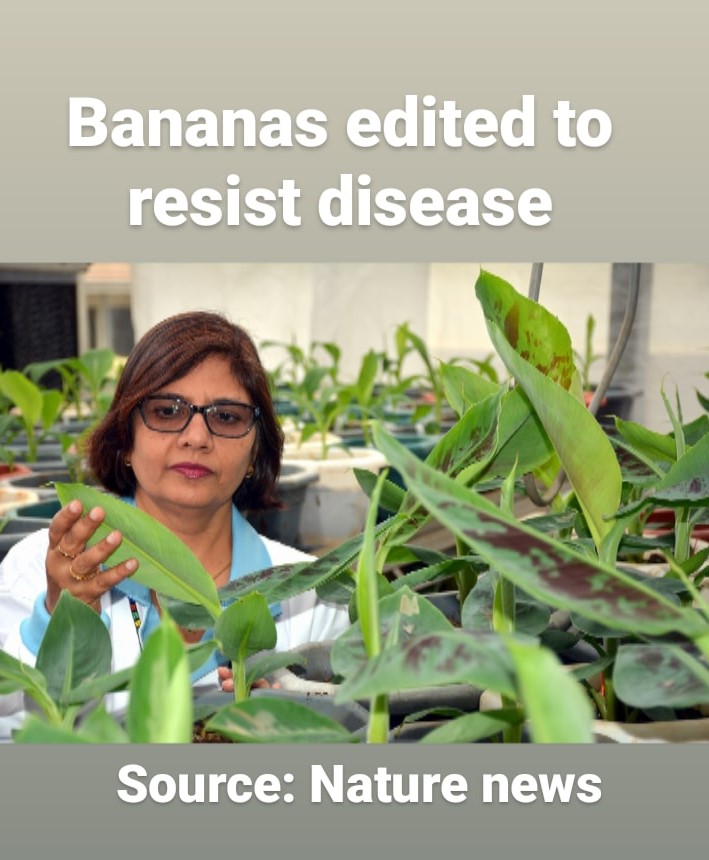
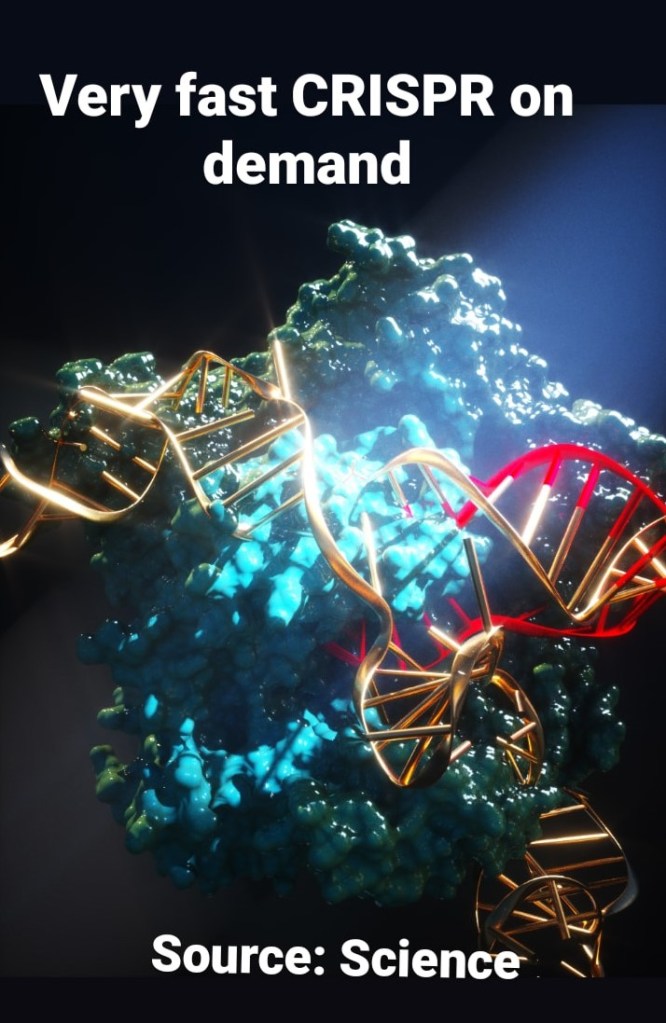
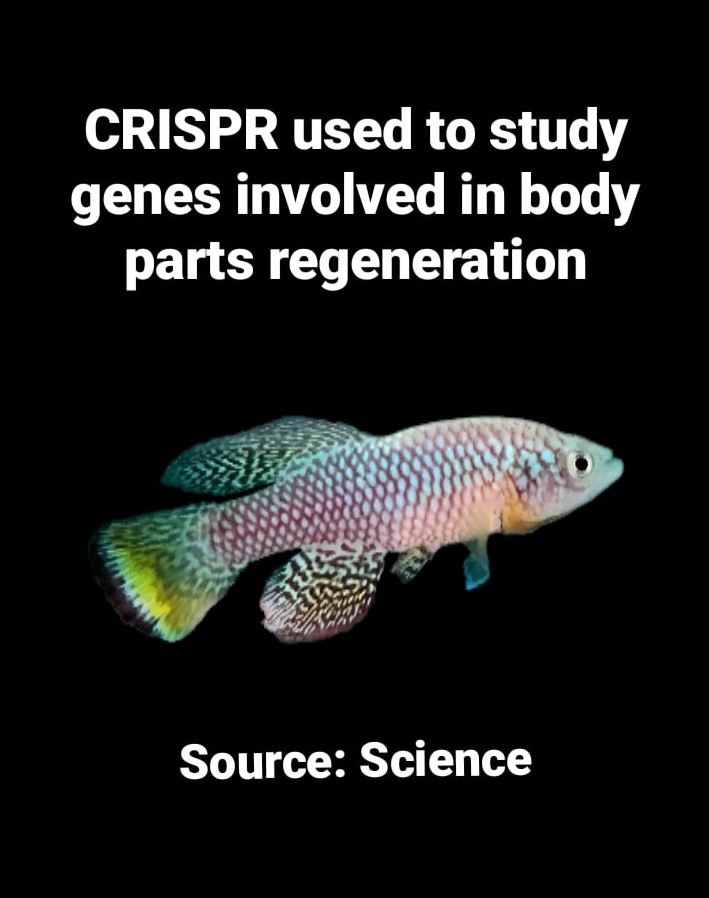
The sickle cell trial in NEJM; Covid19 test using smartphone cameras in Cell; all-male mosquitoes in Nature Biotechnology; CRISPR golden rice in Nature Communications; CRISPR meets cancer therapy in Science; mitochondrial editing in Nature; first in vivo treatment in Nature news; resistant bananas in Nature news; very fast CRISPR in Science; body parts regrowing in Science.
Merry CRISPmas from CRISPeR Frenzy!

Heritable Editing: Yes or No?

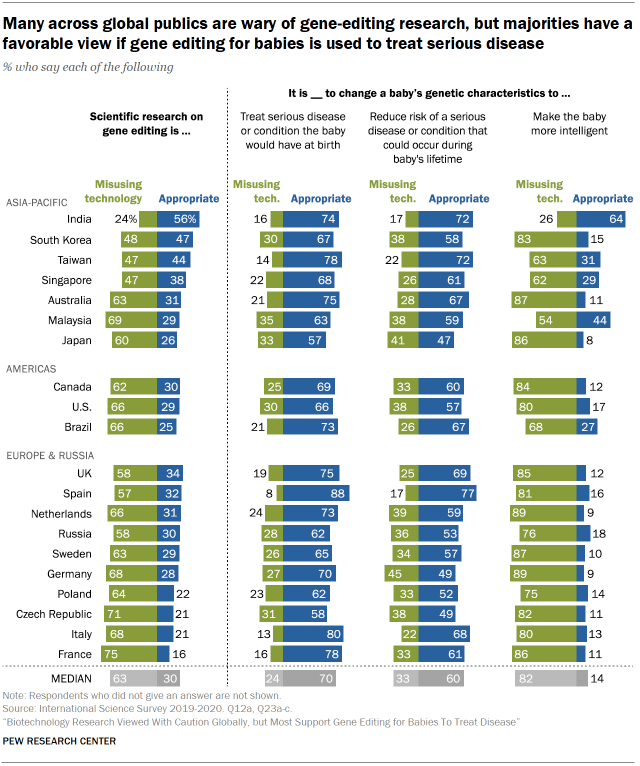
According to the survey conducted by Pew Research Center in 20 countries, people are positive about gene-editing if used to treat illnesses a baby would have at birth (support is particularly strong in Spain). People are also generally in favor of using human gene editing to reduce the risk of future health problems, but less so. India is the only country where the majority says the possibility of using human gene editing to make a baby more intelligent is also acceptable. See more data here.
The Nobel Lectures and CRISPR Casɸ

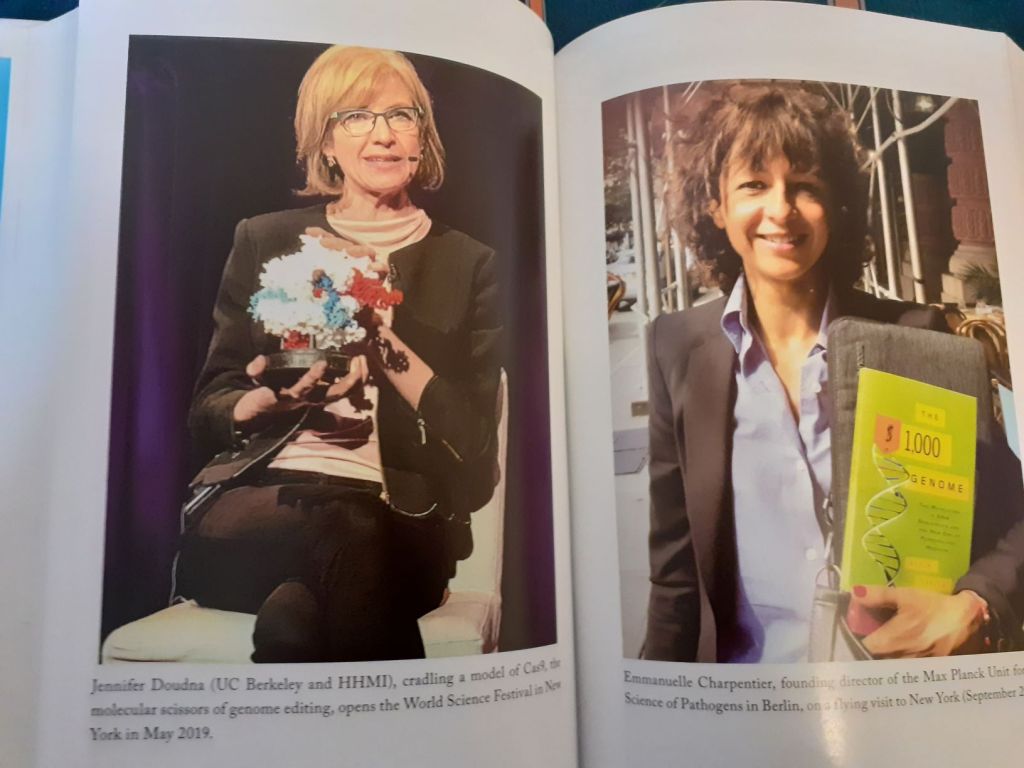
Here you can watch le Nobel Lectures by Emmanuelle Charpentier and Jennifer Doudna. Emmanuelle is very focused and très, très chic, oui. Jennifer is generous with credits to colleagues and willing to represent the public conscience of genomic editing. The thing I liked most is the reference to CRISPR-Casɸ: a hypercompact genome editor found in huge phages. Probably it evolved to target the genes of competing phages inside bacterial hosts.
Continue readingIt’s Nobel Week, let’s party

Traditionally the Nobel Laureates travel to Stockholm to receive their prizes. This year the prizes are coming to them. On 7 December, 19.00 CET, the diploma and medal will be presented to Emmanuelle Charpentier at the Swedish Ambassador’s Residence in Berlin. On 8 December, 16.00 PST, it’s Jennifer Doudna’s turn at the Residence of Barbro Osher, Honorary Consul General in San Francisco. Also on 8 December, 11-13 CET, we can watch online the Academy’s official Nobel Lectures 2020: For the development of a method for genome editing, by Emmanuelle Charpentier, and The Chemistry of CRISPR: Editing the Code of Life, by Jennifer A. Doudna. Full programme here.
CRISPR rising stars

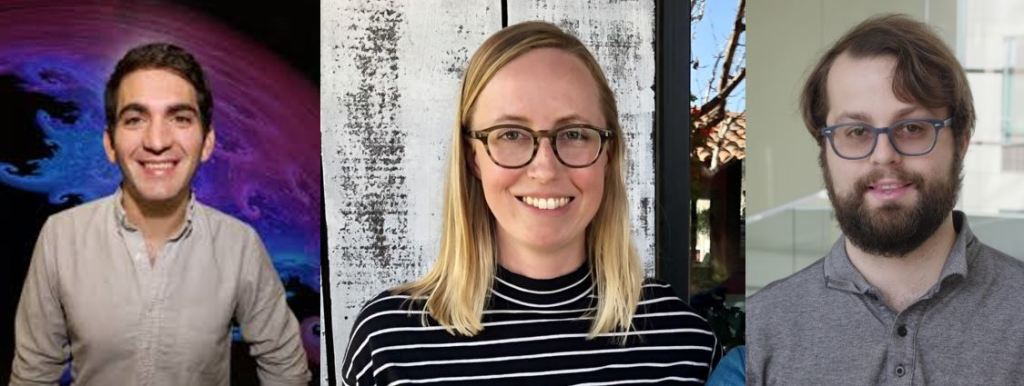
December is time for rankings and forecasts. Let’s start with STAT News celebrating young talents who could become the next generation of scientific superstars. Three CRISPR researchers appear among STAT wunderkinds. As a postdoc at the Broad Institute, Andrew Anzalone helped make a key advance by developing prime editing, where the same RNA molecule specifies the target and the desired edit. Jennifer Hamilton, from Berkeley, works on solving one of the major hurdles of CRISPR-based therapies: delivering the genome editor to the desired cells. Cameron Myhrvold, has since worked at the Broad Institute on developing CRISPR-based diagnostics such as CARMEN and is about to start his own lab at Princeton.
CRISPR goes graphic
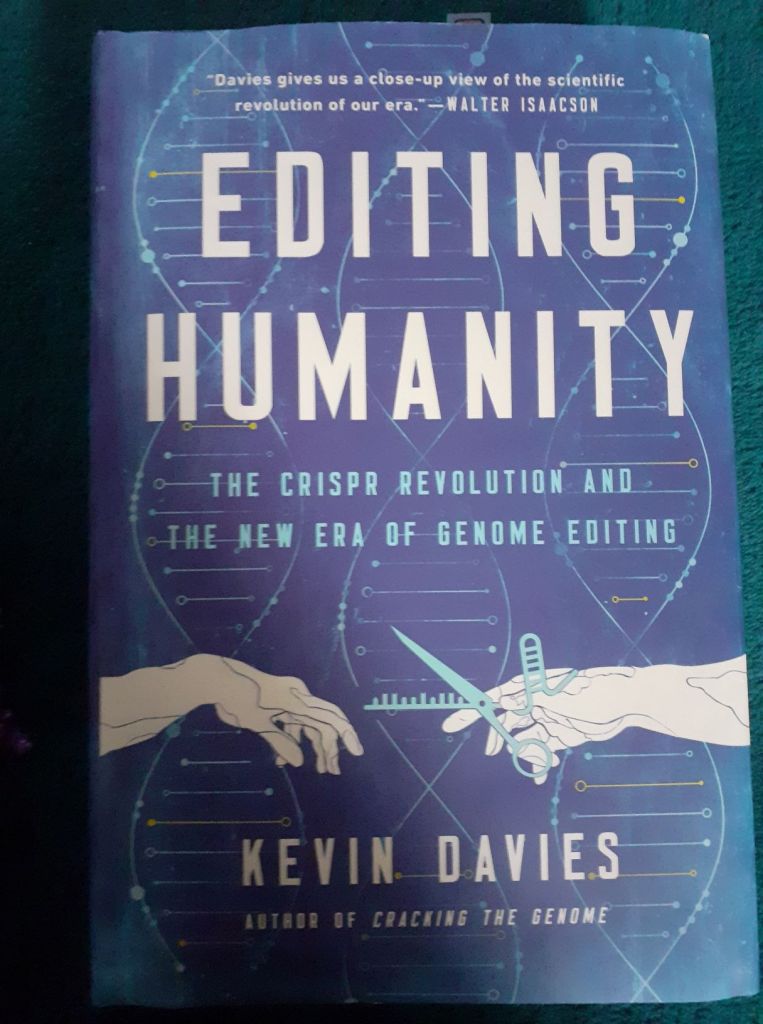
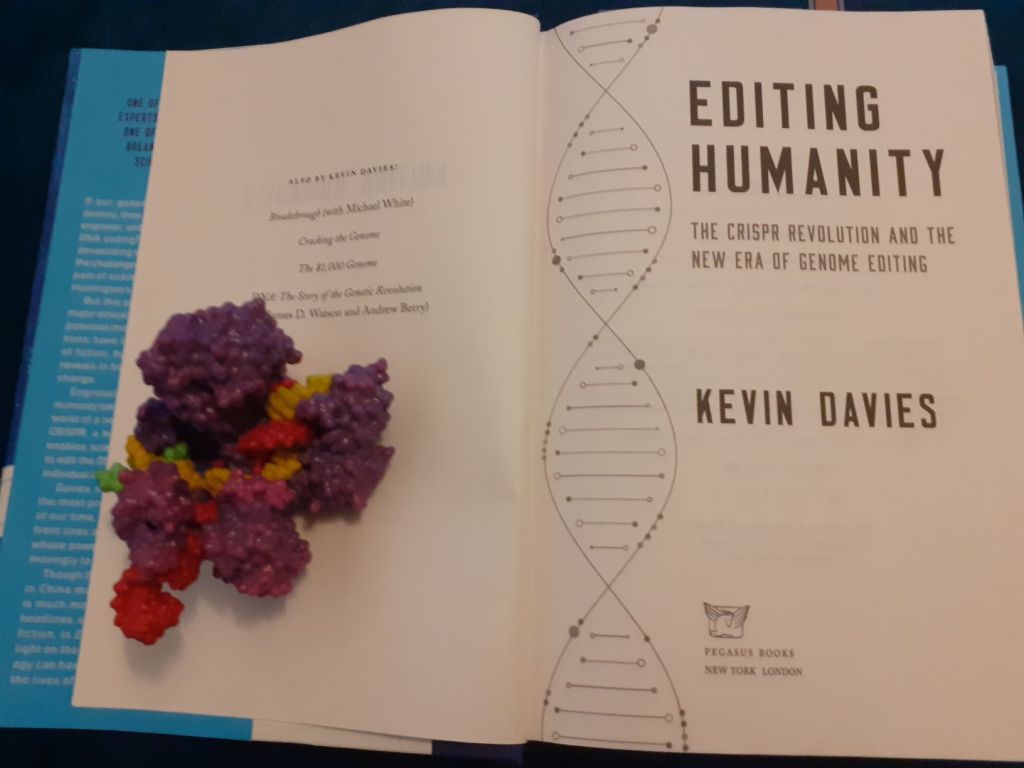
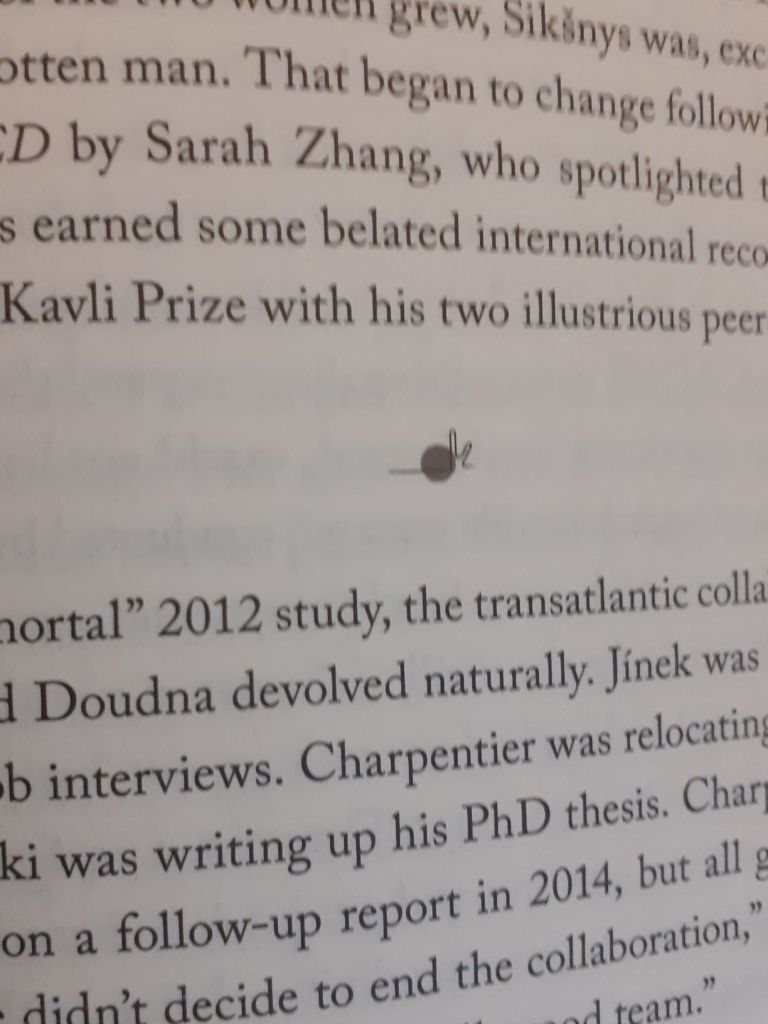
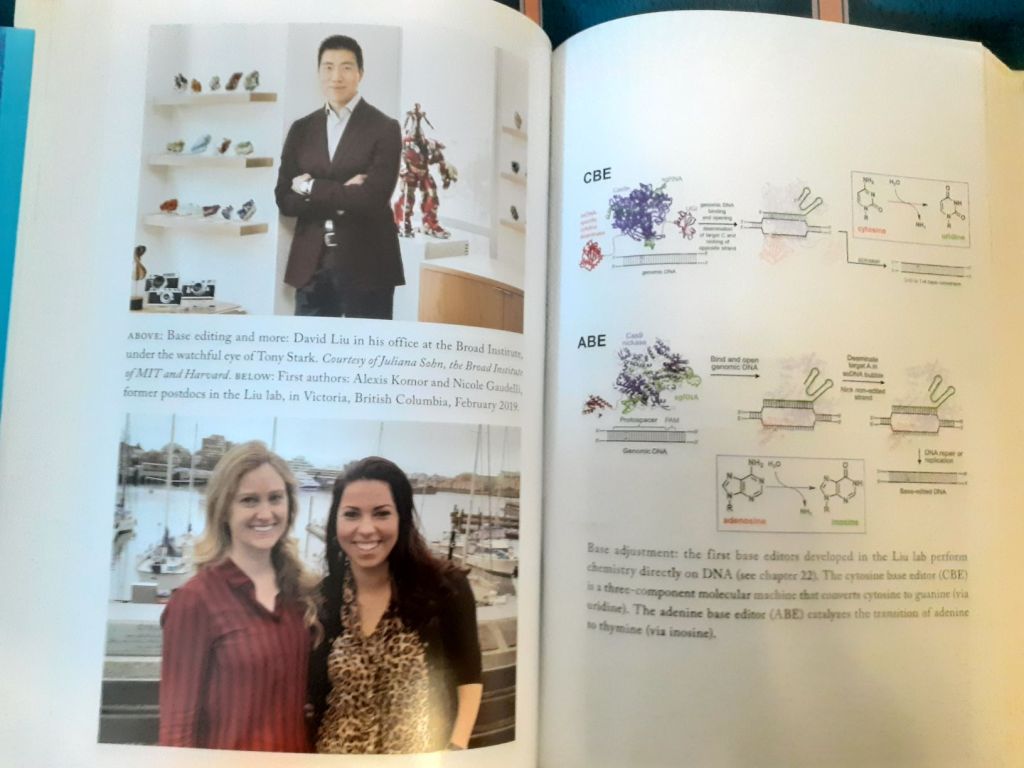
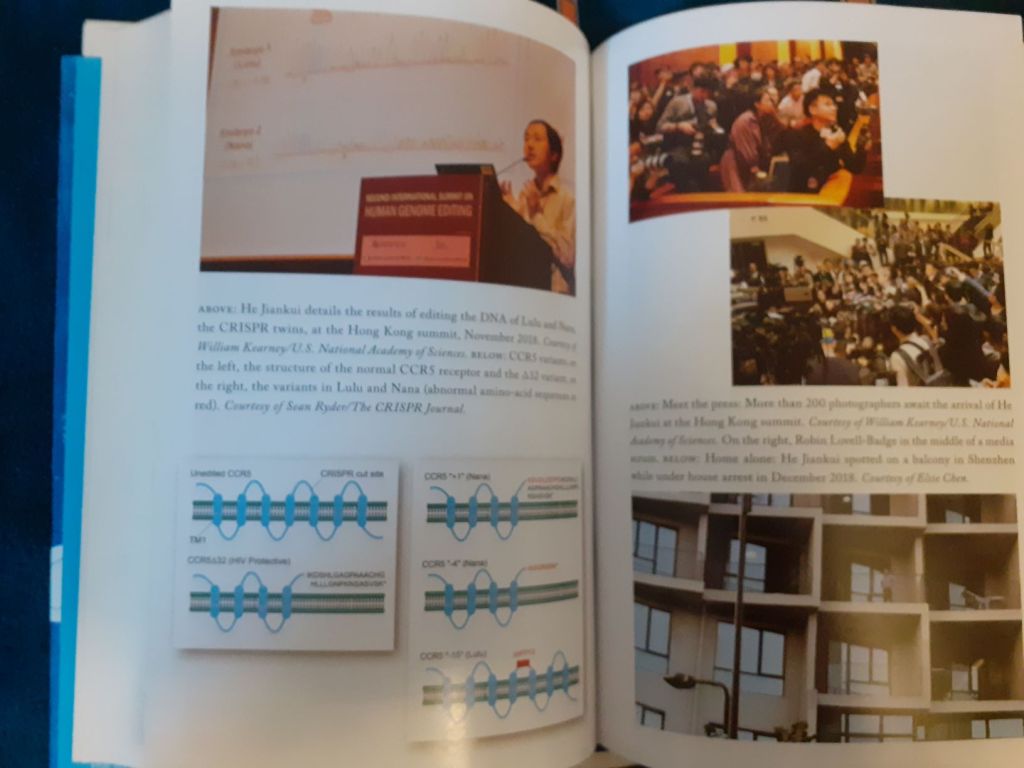
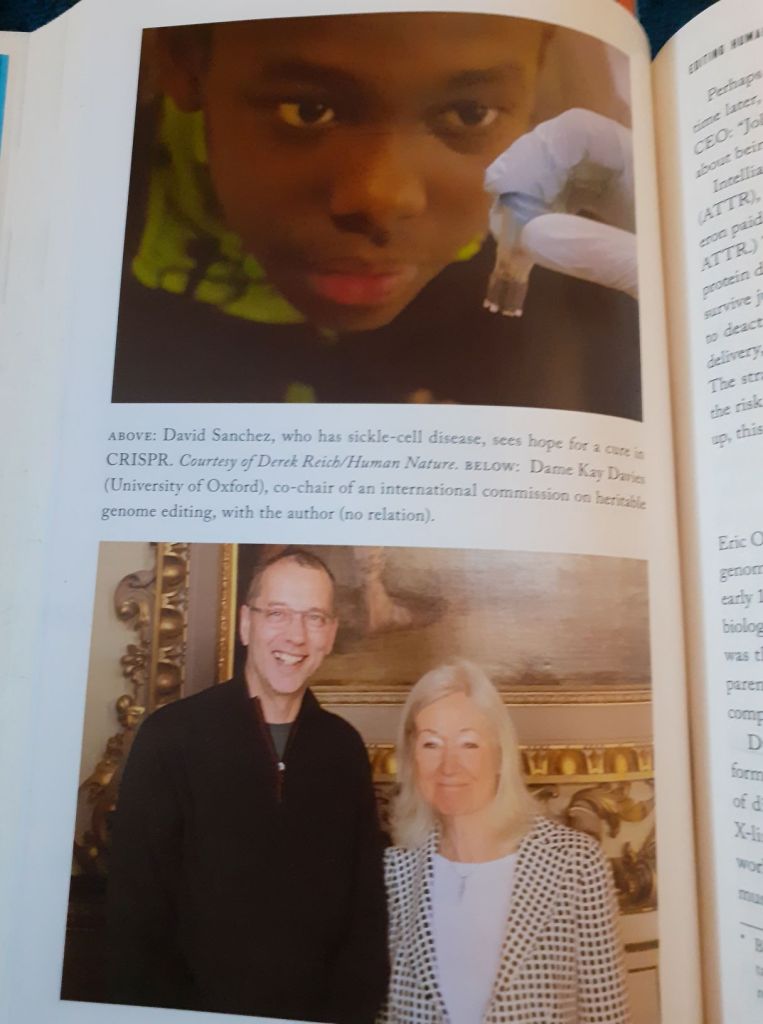
No wonder “Editing Humanity” by Kevin Davies is good reading. The executive editor of The CRISPR Journal (and the founding editor of Nature Genetics) is really in a great position to tell the CRISPR story so far. But the book deserves praise also for its aesthetic qualities, i.e., pictures and graphics. I’m totally in love with the typographical character marking the start of paragraphs – there is a sign representing Cas9 in place of the conventional pilcrow ¶.
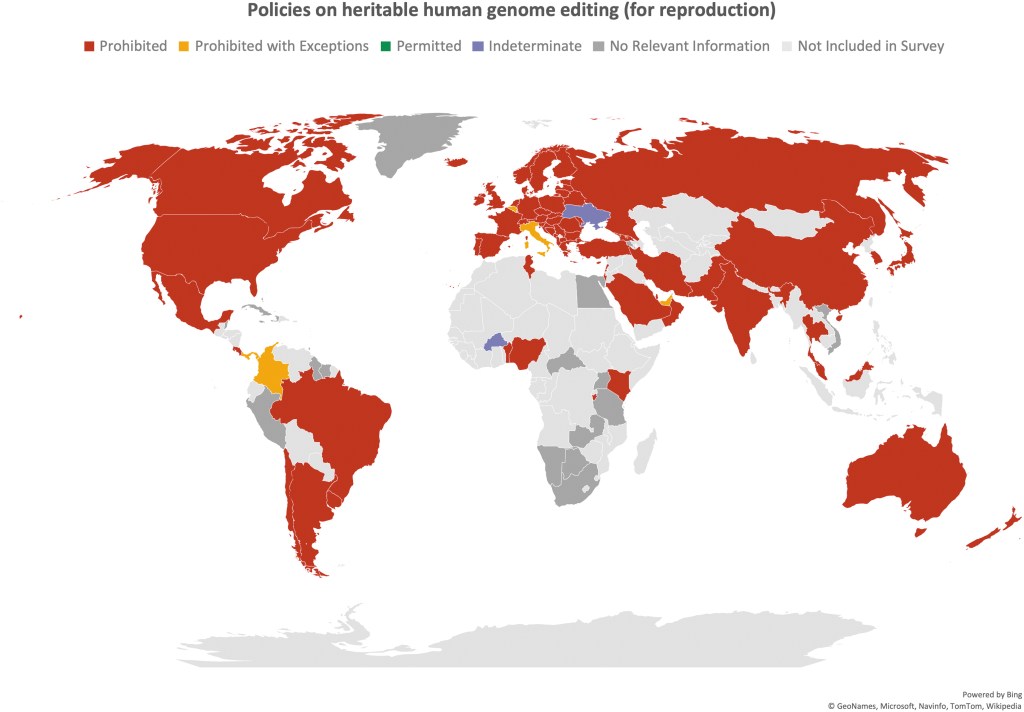
Italy is a yellow spot in the heritable editing map. Why?

Look at this map, from a detailed and up-to-date analysis published in the CRISPR Journal. It’s the global policy landscape on heritable human editing, i.e., modified embryos transferred to a uterus to initiate a pregnancy. Who would expect a catholic country like Italy to stand out as one of the very few countries not totally prohibiting such a controversial practice?
Continue readingCrisp & malty. Your first CRISPR beer

This is probably the first product branded as CRISPR-edited, how cool is it? The science comes from Berkeley Yeast. The cans are sold by Temescal Brewing and the claim is “Crisp, Malty, Helles Lager”.
Continue reading