CRISPR WOMEN – faces and feats


They may have lost the latest round in the patent dispute, but Jennifer Doudna and Emmanuelle Charpentier will be forever celebrated as the inventors of CRISPR.
In “The Code Breaker” by Walter Isaacson, Doudna tells how a school’s guidance counselor tried to discourage her from studying chemistry at college: “Girls don’t do science.”
The Nobel prize came a few decades and many brilliant experiments later, it’s the first shared by two women. The institute founded by Doudna (IGI) is now launching an ad hoc incubator specifically to enhance gender equity in bio-entrepreneurship. Jennifer and Emmanuelle are unquestionably great role models for girls interested in science and started a wave of discoveries and inventions by female scientists.
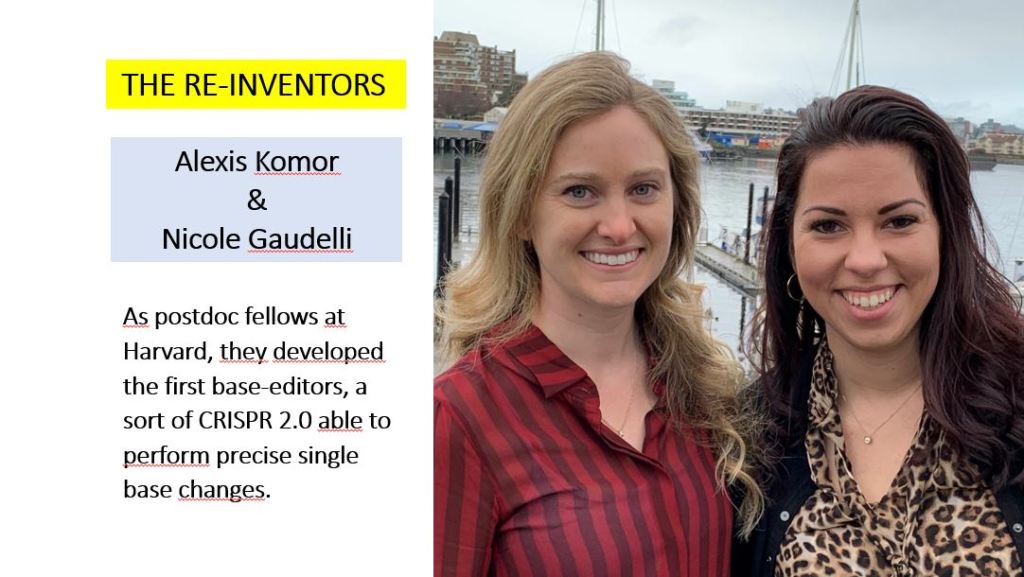
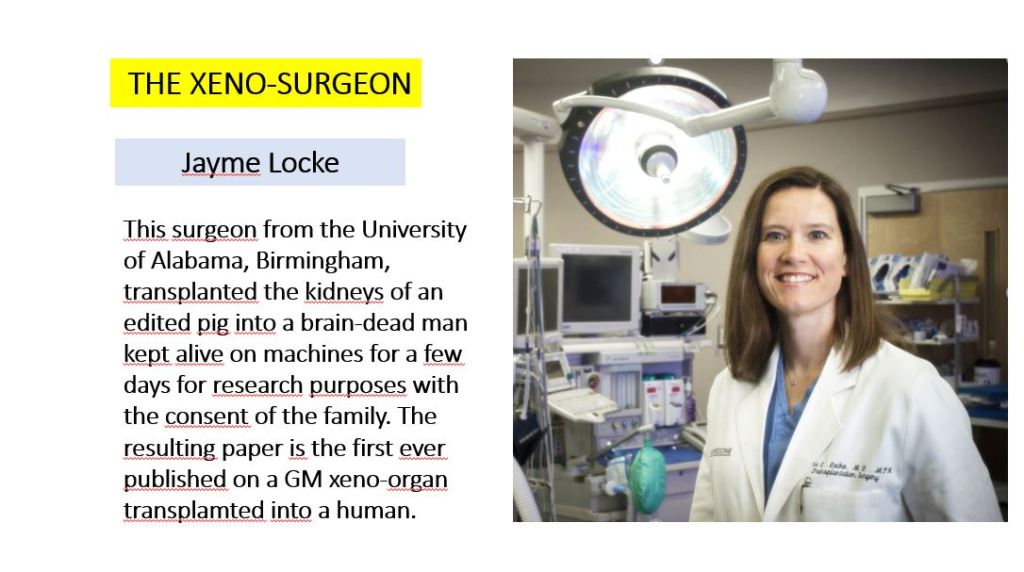
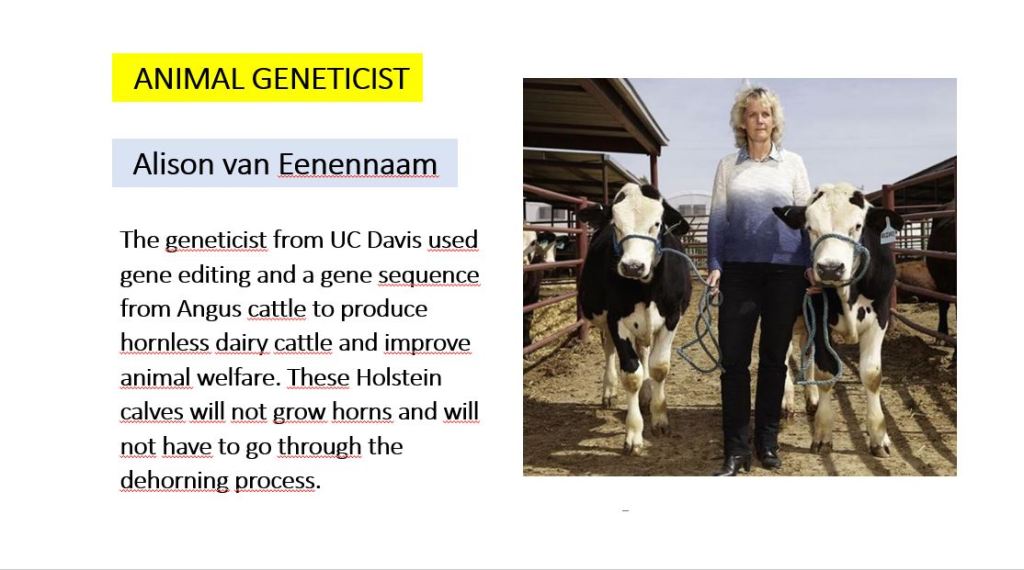
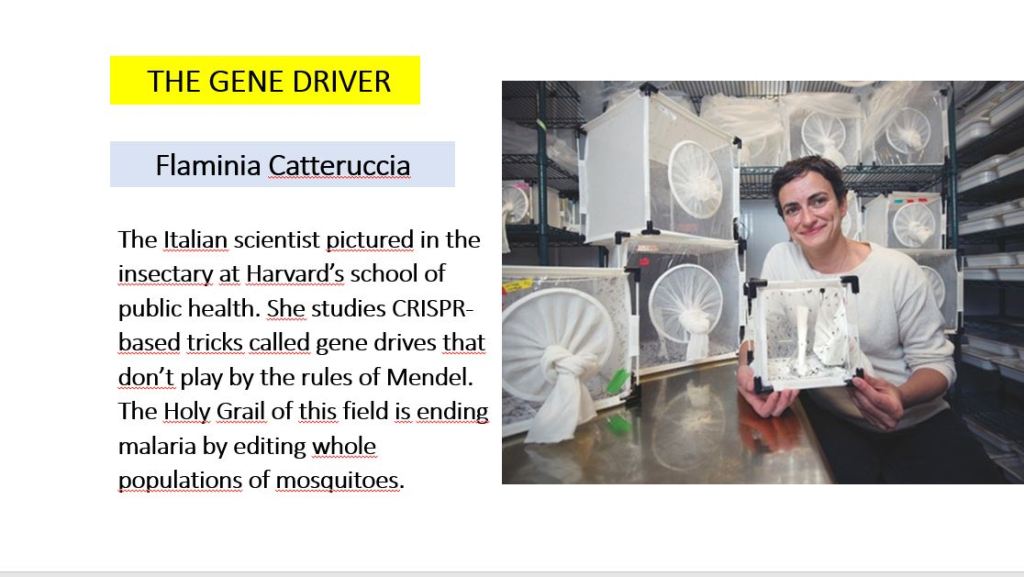
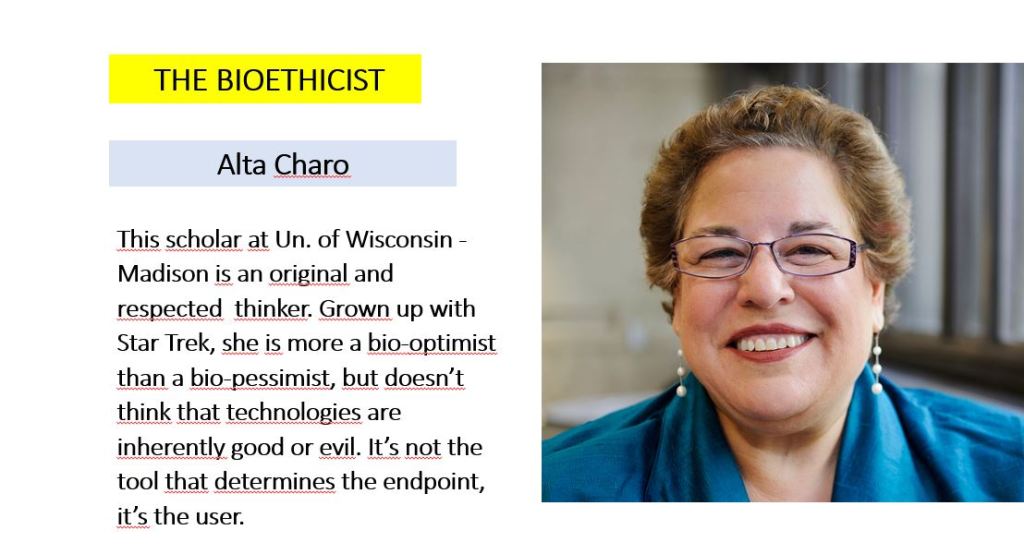
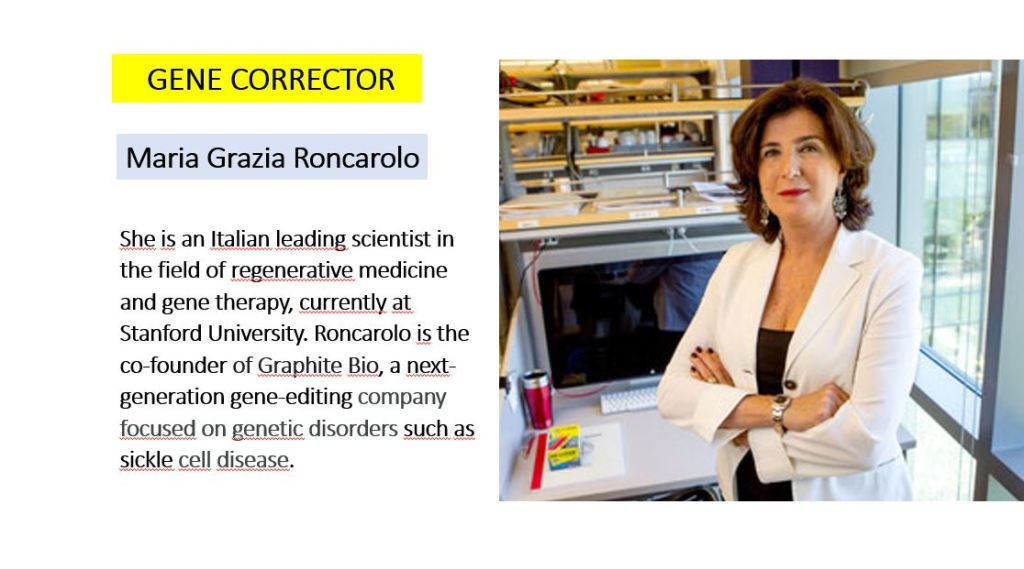
In the slideshow below, you can meet some of the brightest women in CRISPR.

CRISPR diagnostics is coming

Nature was right in choosing CRISPR diagnostic as one of the seven technologies to watch in 2022. The latest news is a test called mCARMEN, described in Nature Medicine. Pardis Sabeti (Broad Institute/Harvard), Cameron Myhrvold (Princeton University) and colleagues adapted a massively multiplexed technology presented in 2020 to be “faster, more sensitive and more easily implemented in clinical and surveillance labs”.

Continue reading

A promising alternative to CAR-T cells

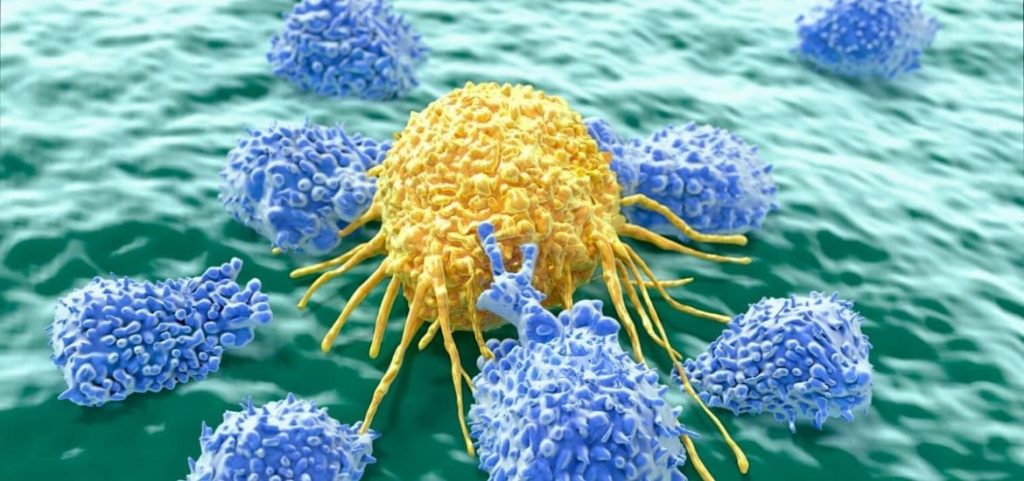
Engineering lymphocytes to recognize cancer cells is a strategy that has already produced convincing clinical results thanks to CAR-T therapy. But this is not the only approach on the horizon. An emerging alternative is TCR-engineered lymphocytes, where TCR stands for T-cell receptors.

Continue reading

CAR-T and the C-word

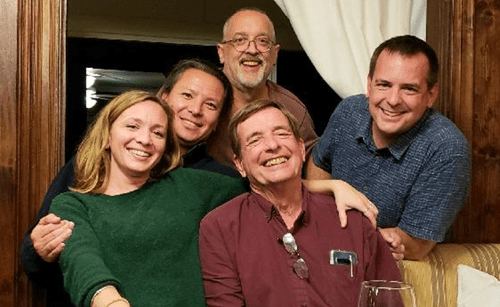
Early trial participant Doug Olson celebrating his 75th birthday with family (photo credit Penn Medicine)

Doug Olson was treated with engineered T cells (CAR-T) for incurable leukemia in 2010, well before CRISPR was born. Over a decade later, he still is cancer-free (see the paper in Nature), and the pioneer of the approach, Carl June, is reported to have said the C-word: cured. As immunotherapy and genome editing are crossing paths, hopefully, we expect further good news from the CAR-T frontier in the future.

First paper and more xenotransplantation news

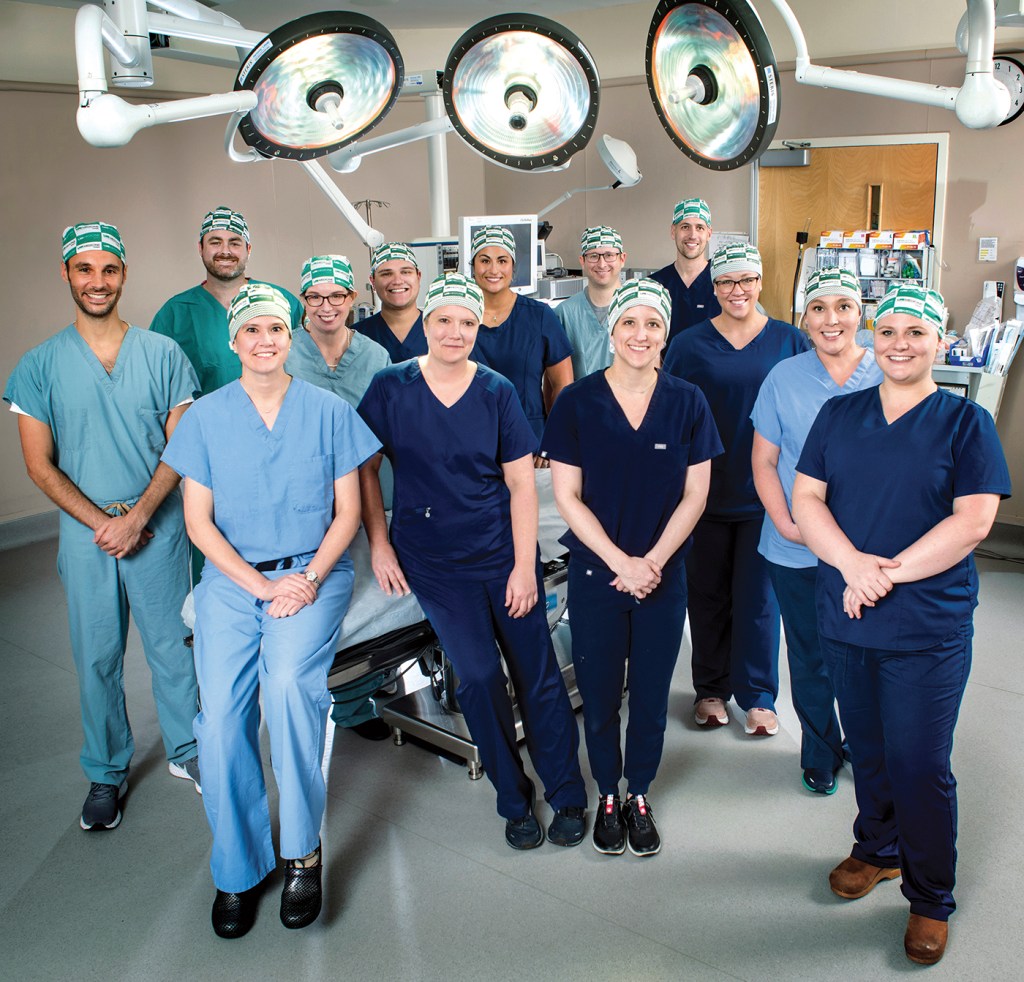
photo credit: University of Alabama at Birmingham

The first paper on a CRISPR xenotransplant is out in the American Journal of Transplantation. It’s about two swine kidneys with 10 modified genes transplanted into a dead brain man as a proof of concept. The surgery was performed on September 30 by Jayme Locke and colleagues from the University of Alabama at Birmingham.

Continue reading

Back to the basics of xenohearts

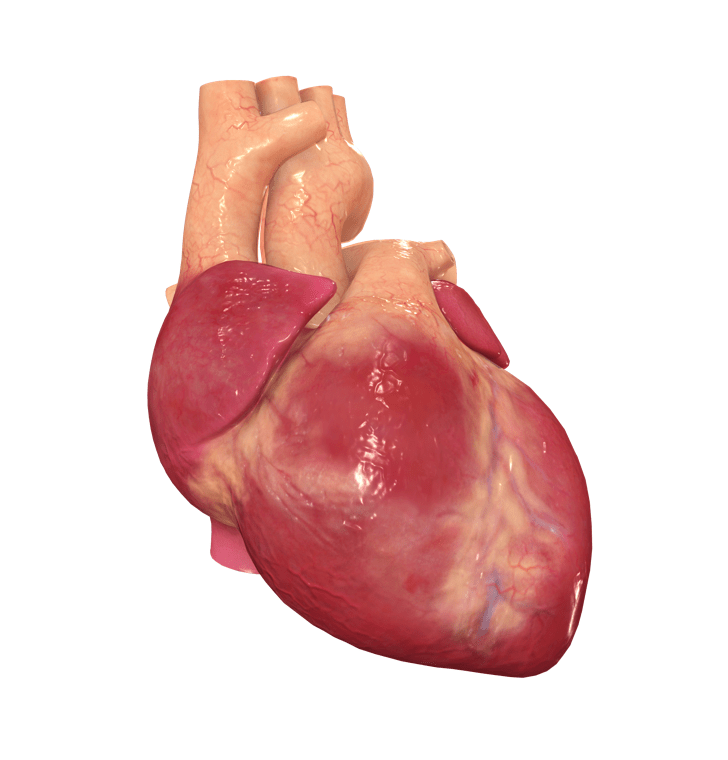
UHeart™ (photo credit United Therapeutics)

As you probably know, on January 7 at the University of Maryland Medical Center in Baltimore  a 57 years old man named David Bennett became the first human to have his heart replaced with that of a CRISPRed pig. But what does make a xenoheart suitable for transplantation?

Continue reading

MetaCRISPR, how to edit microbiomes

Jill Banfield and Jennifer Doudna (photo by Keegan Houser)

The best way to summarize the new metaCRISPR approach, recently published in Nature Microbiology, is the Twitter thread by Jill Banfield:

Continue reading