CRISPR microbes for climate and health

credit IGI

Jennifer Doudna’s Innovative Genomic Institute has received $70 million to explore a bold idea: combating climate change and other emergencies by modifying the microbial communities that live outside and inside us.

Bacteria are the true masters of the planet, for better or worse. Besides affecting our health in many ways, they are responsible for much of the methane emissions. This gas traps heat far more than carbon dioxide and is produced in large quantities by microbes that proliferate in environments associated with human activities (farms, landfills, rice paddies). The good news is that methane is short-lived, so reducing its emissions would have a rapid and substantial effect on global warming. What tools do we have at our disposal to try to pursue such an ambitious goal?

Continue reading

Ode to Darwin, from Phages to Borgs

Phages first, Borgs then. Jennifer Doudna and Jill Banfield published surprising new findings in Cell, suggesting that thousands of phages have stolen CRISPR from bacteria to deploy it against rivals. “CRISPR is so popular even viruses may use it,” Science jokes. Nature puts it seriously “CRISPR tools found in thousands of viruses could boost gene editing.”

Continue reading

CRISPR WOMEN – faces and feats


They may have lost the latest round in the patent dispute, but Jennifer Doudna and Emmanuelle Charpentier will be forever celebrated as the inventors of CRISPR.
In “The Code Breaker” by Walter Isaacson, Doudna tells how a school’s guidance counselor tried to discourage her from studying chemistry at college: “Girls don’t do science.”
The Nobel prize came a few decades and many brilliant experiments later, it’s the first shared by two women. The institute founded by Doudna (IGI) is now launching an ad hoc incubator specifically to enhance gender equity in bio-entrepreneurship. Jennifer and Emmanuelle are unquestionably great role models for girls interested in science and started a wave of discoveries and inventions by female scientists.
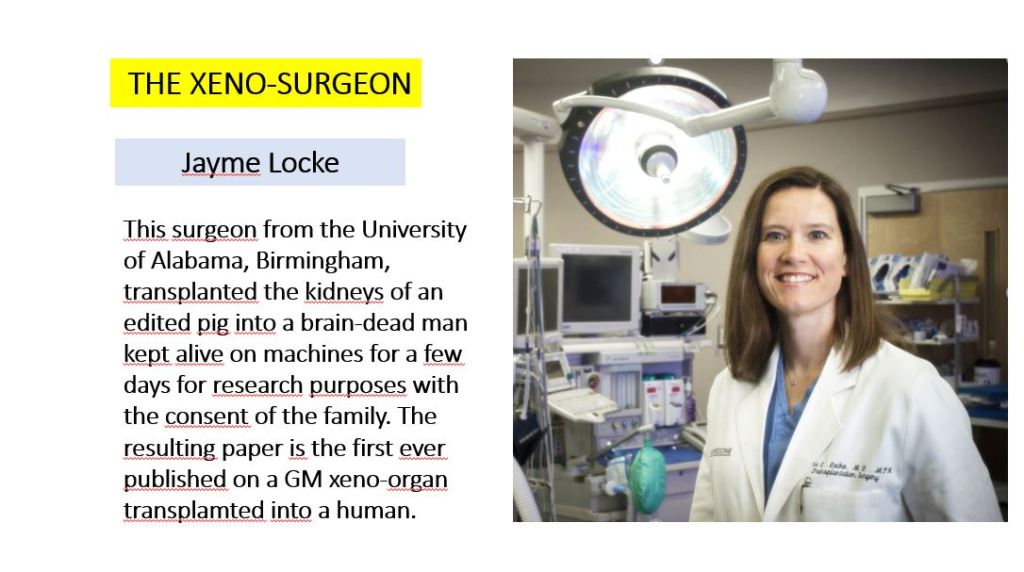
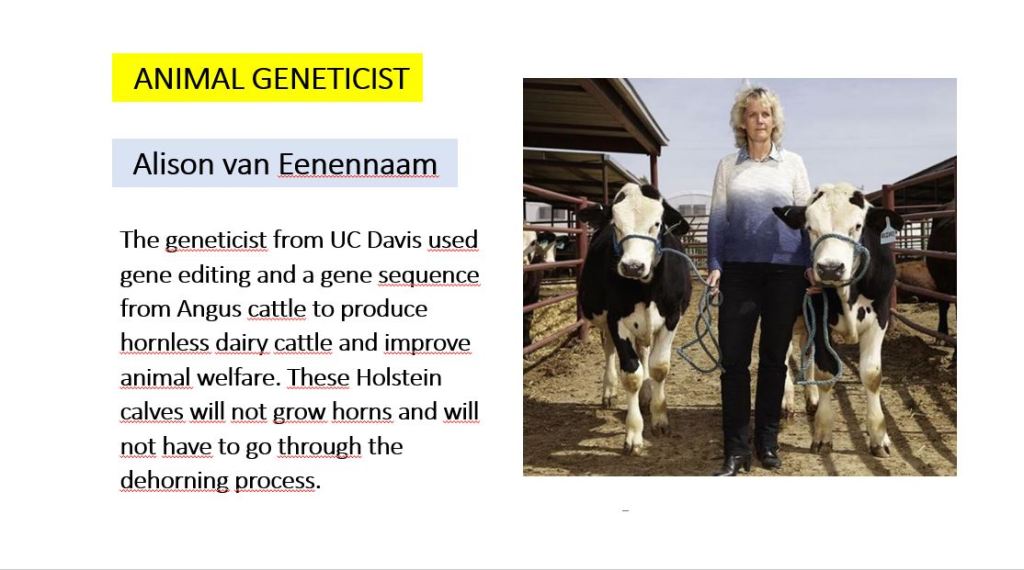
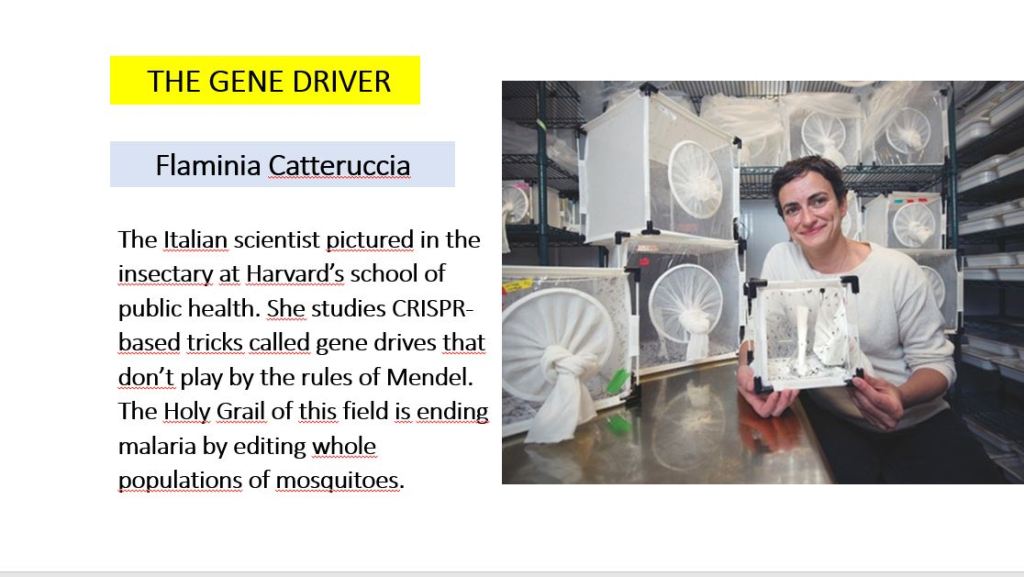
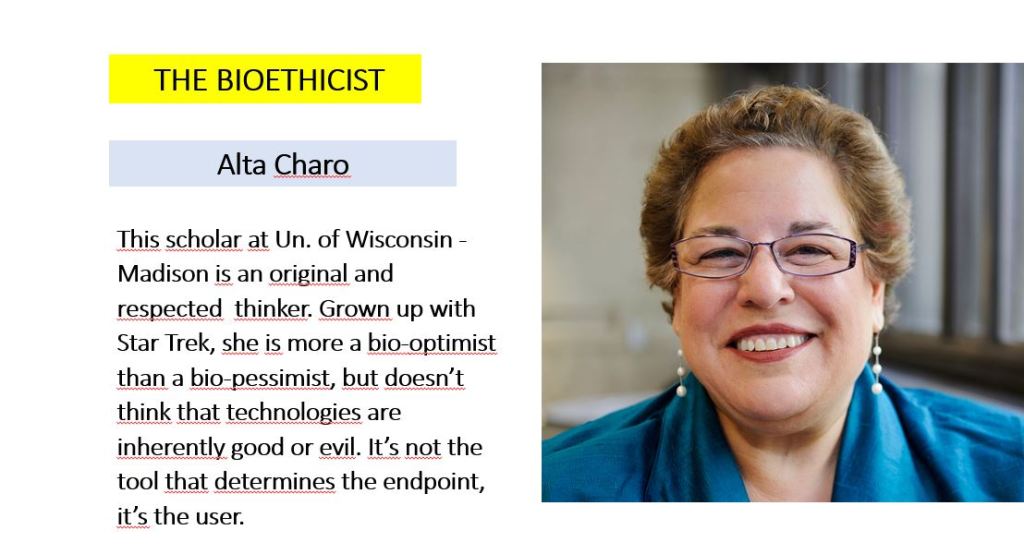
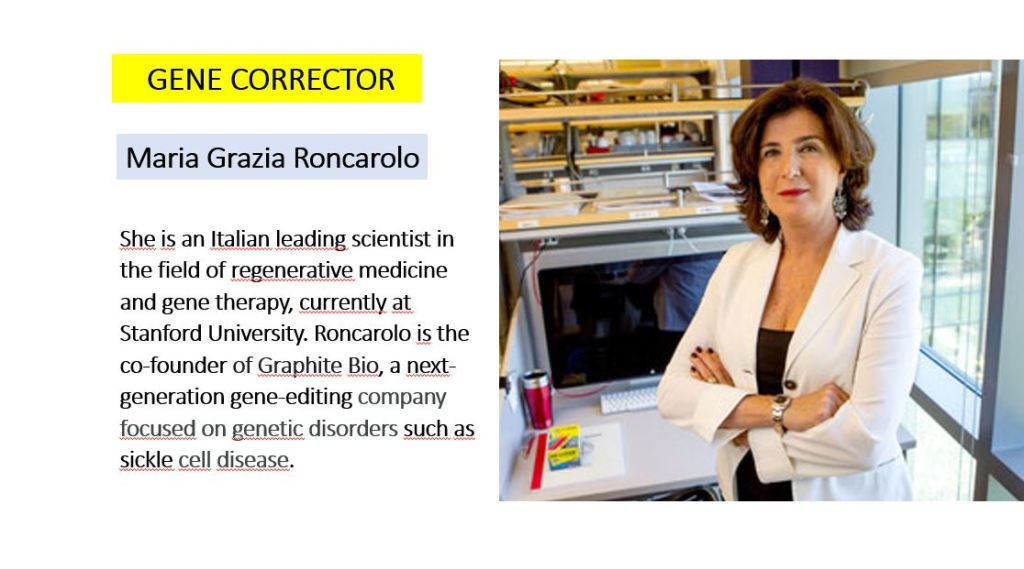
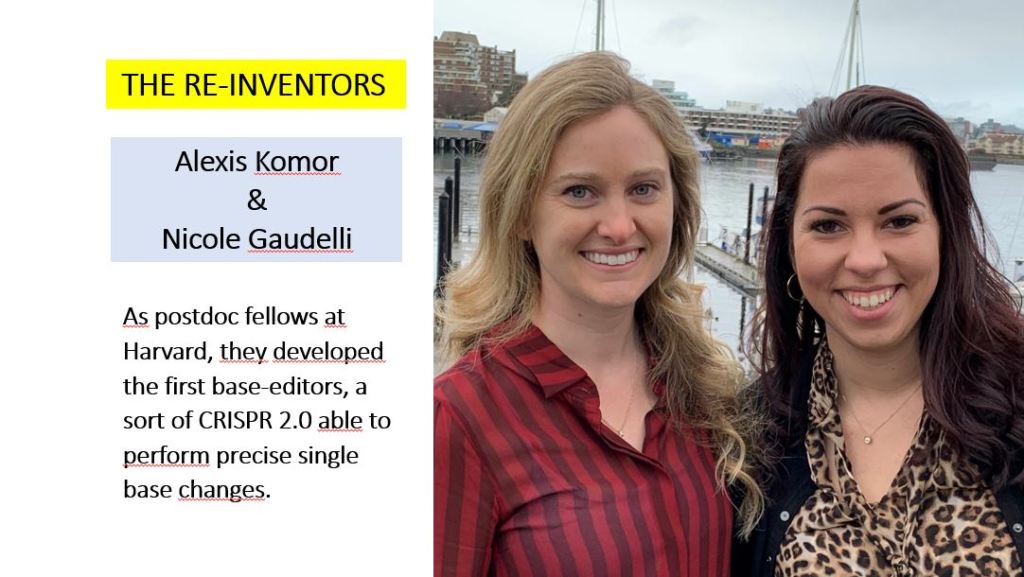
In the slideshow below, you can meet some of the brightest women in CRISPR.

MetaCRISPR, how to edit microbiomes

Jill Banfield and Jennifer Doudna (photo by Keegan Houser)

The best way to summarize the new metaCRISPR approach, recently published in Nature Microbiology, is the Twitter thread by Jill Banfield:

Continue reading