CRISPR from bench to bedside

The progress of the new therapies of the CRISPR era can be told by interweaving two stories. The first is the one featuring Victoria, Carlene, Patrick, Alyssa, Terry and many others. There are over two hundred patients who have so far undergone some experimental treatment based on genome editing, i.e. the targeted correction of DNA instead of the addition of extra genes as in classical gene therapy. These women and men suffering from serious diseases had to face increasing pain and sacrifice until they decided to pin their hopes on a new type of experimental therapy, which is promising but not without risks. For the unluckiest of them, this act of courage and faith in science was not enough, but for many of these pioneers, life really did change. In fact, there are already dozens of people who have managed to free themselves (hopefully in the long term) from the burden of a rare genetic disease or, in some cases, leukaemia. Along with genetically edited cells, a new normalcy has arrived for them and the chance to finally think about the future.

Continue reading
Chronicles from the London editing summit

CRISPR patient Victoria Gray talking at the summit (credit The Royal Society)

The third – and perhaps final – act of the Human Genome Editing Initiative ended last week. The first summit (Washington 2015) was held amid enthusiasm for the invention of CRISPR, with the aim of fostering a constructive dialogue between science and society. The second edition (Hong Kong 2018) was dominated by the birth in China of the first edited human beings. The main points in the agenda of geneticists and bioethicists meeting a few days ago (London 2023) was to overcome the shock and focus on the next challenges: broadening the range of treatable diseases, reducing the costs of therapies, simplifying them so they can be administered anywhere in the world, and reach as many sick people as possible.

Continue reading

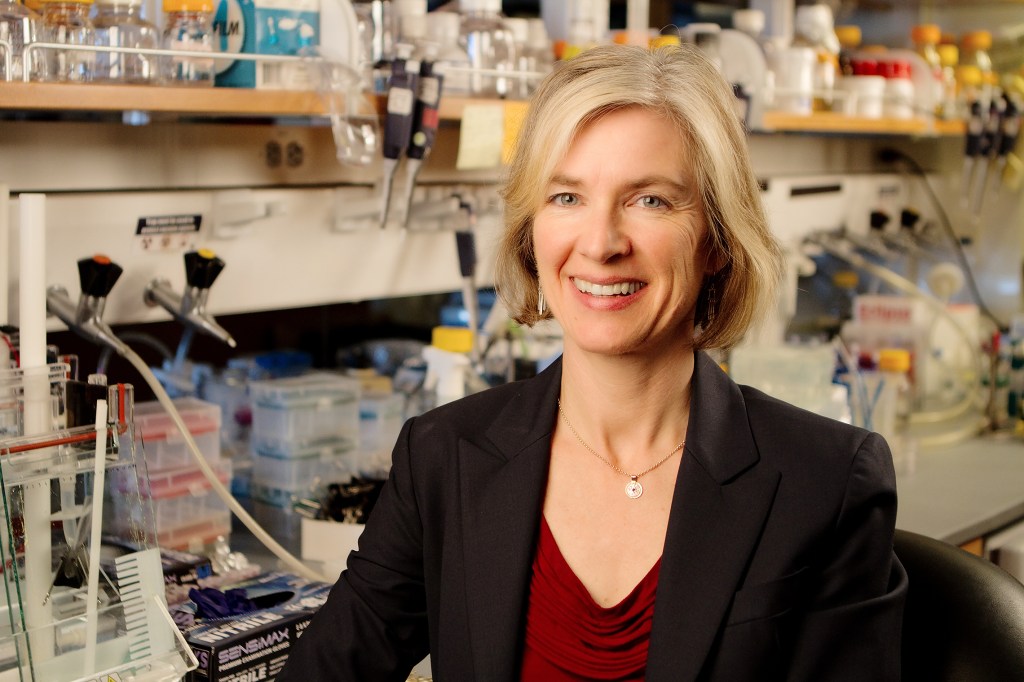
Our CRISPR future, according to J. Doudna

The Nobel Prize for CRISPR is one of the most exciting ever assigned in chemistry and one of the most celebrated in the media, for reasons related to the invention and the inventors alike. On the one hand, the technique is changing the practice and the image of genetic engineering. On the other hand, Jennifer Doudna and Emmanuelle Charpentier are not merely great scientists; they are a success story in cracking the glass ceiling and a symbol of the strength of collaboration.

Continue reading

An activist’s view on agbiotech & sustainability

danielle-nierenberg-4

Danielle Nierenberg is President of Food Tank and an influential voice on food issues. She interviewed hundreds and hundreds of farmers, researchers, government leaders, NGOs and journalists in 50 plus countries in sub-Saharan Africa, Asia, and Latin America over the last several years. We asked her three questions for an article on sustainable innovations to be published in Italy.

Continue reading