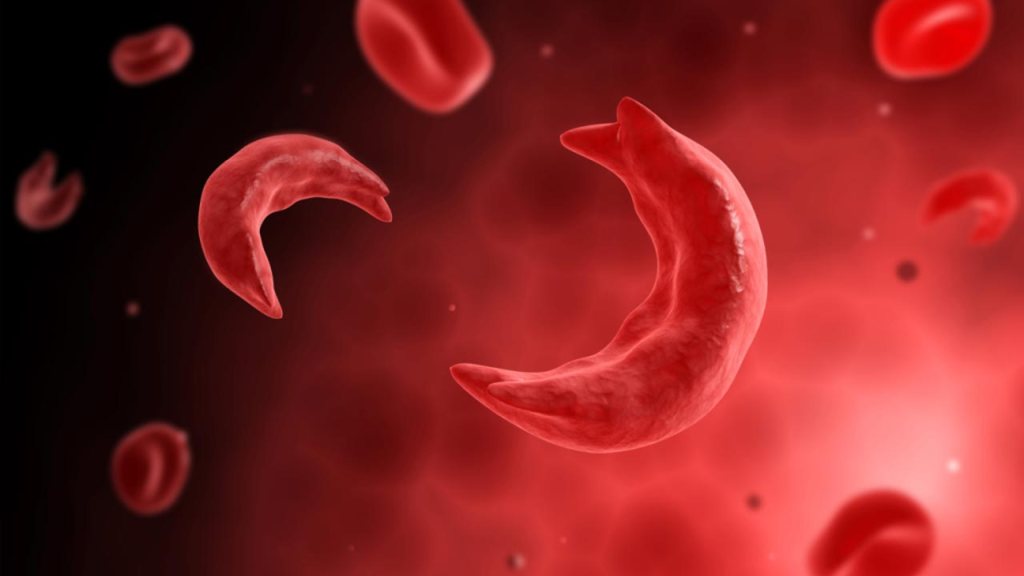
Two years after Casgevy received commercial approval, only around sixty people with sickle cell disease or thalassemia have been able to benefit from it, due to a technical hurdle that the next generation of treatments will attempt to overcome
Italy has begun administering the first CRISPR-based treatment. The therapy for sickle cell disease and beta thalassemia (Casgevy) has already been delivered to four patients across three clinical centers within a month. The announcement was made during the conference “Italian Primacy in the Treatment of Hemoglobinopathies” held yesterday at the Senate. For more information, we recommend Francesca Ceradini’s article in Osservatorio Terapie Avanzate.
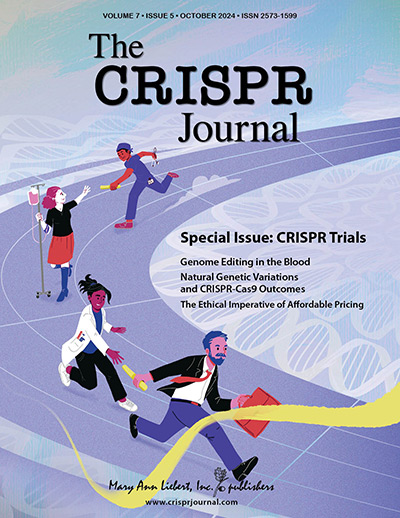
It’s been about a year since the first CRISPR-based treatment was approved in the United States and Europe. However, those expecting a surge in approvals of new gene-editing therapies may be disappointed. Next in line will likely be another approach to treating sickle cell disease, followed by therapies for TTR amyloidosis and hereditary angioedema around 2026-27. According to The CRISPR Journal, that’s all we can expect over the next 3-5 years. Is Casgevy destined to stand out like a cathedral in the desert? We have a super-versatile platform capable of fixing a myriad of genetic defects, so why is the CRISPR revolution slowing down? To understand the looming crisis and the countermeasures needed, don’t miss Fyodor Urnov’s in-depth editorial entitled “Give Cas a Chance: An Actionable Path to a Platform for CRISPR Cures.”
This photo shows the first American “non-experimental” patient leaving the hospital after completing the CRISPR-based treatment for sickle cell anemia (Casgevy). The New York Times detailed this “official first,” which followed the success of a clinical trial involving dozens of patients like Victoria Gray. We still know little about the first person who is beginning treatment in Europe since this therapy became an “approved drug”. According to Osservatorio Terapie Avanzate he is a young adult (23 years), who arrived in Italy in 2014 and living in the Umbria region, where is being also treated. Undergoing cell extraction and reinfusion of edited cells is an invasive and exhausting process, but now the American Kendric Cromer (12 years old) and other “first patients” can hope to lead full lives—without painful crises or blood transfusions. Best of luck!
According to Fyodor Urnov, she should be added to “the pantheon of names inscribed in golden letters in the history of biomedicine.” That list includes other pioneering patients such as James Phipps (the boy vaccinated by Edward Jenner), Albert Alexander (the first human treated with penicillin), Louise Brown (the first test tube baby) and Emily Whitehead (the first recipient of CAR-T cells). Now the CRISPR Journal made the unusual decision to put her on the cover.
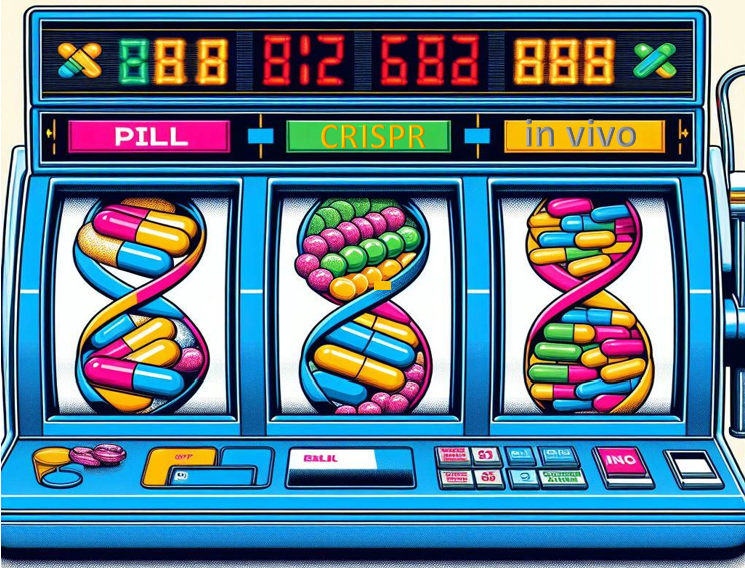
Not only sickle cell anemia, now thalassemia as well. On January 16, the Food and Drug Administration completed the approval process for the second type of hemoglobinopathy too, while the European Medicines Agency is expected to give the green light in the coming months. It took just over a decade to go from the invention of the Cas9 genetic scissors to the first approved treatment, and the excitement over the milestone achieved in record time is more than justified. Yet an article in MIT Technology Review has already turned the spotlight on the next challenges. The title is, “Vertex developed a CRISPR cure. I’ts already on the hunt for something better”. Gentler conditioning for ex vivo gene editing, new vectors for in vivo delivery, and maybe even a pill mimicking the Casgevy mechanism without modifying DNA. This is how CRISPR researchers try to out-innovate themselves.
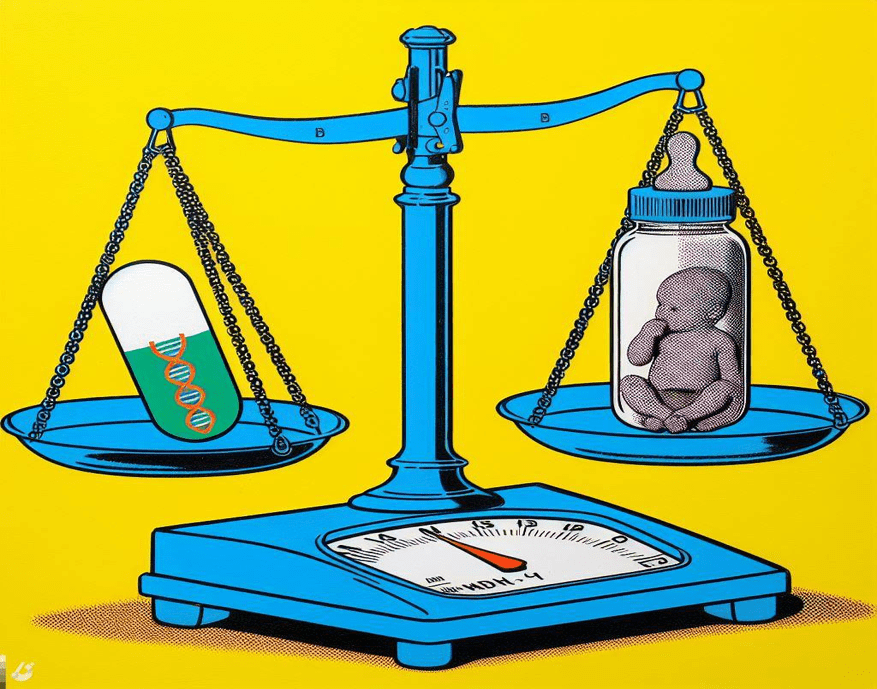
The approval of Casgevy, the new CRISPR option for sickle cell disease, is big news for American patients. The list price is high ($2.2 million) although lower than the non-CRISPR gene therapy approved by the FDA for the same pathology the same day. But in addition to economic sustainability, another issue worries scientists, clinicians, and patients: infertility.
In the story from the Bible King Solomon ruled between two women who both claimed to be the mother of a child. In the CRISPR saga the contention is between biotech companies over foundational patents, and the next crucial episode will unveil the consequences for the first CRISPR therapy, Casgevy.





 CRISPeR FRENZY