
 Genome editing seems tailored for Italian agriculture as DNA can be modified without introducing foreign sequences and without destroying the legal identity of traditional cultivars. CRISPR could help developing plants more resistant to diseases, for example, avoiding at the same time bureaucracy and public perception problems that have slowed the adoption of GMOs. The stakes are high but some hurdles stand in the way. We have interviewed Michele Morgante, geneticist from the University of Udine and President of the Italian Society of Agricultural Genetics. Continue reading
Is Italy’s agriculture ready for CRISPR?
1

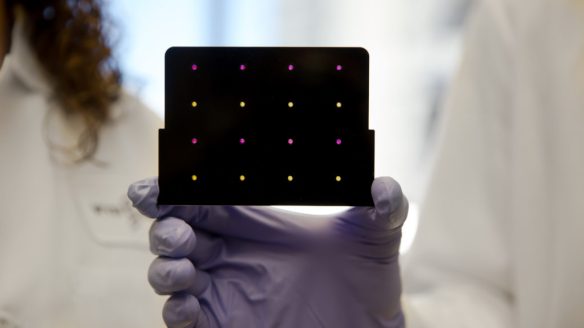 Elementary dear Watson, we should have expected that. The CRISPR wave is hitting diagnostics, with a new high sensitivity detection platform named after Arthur Conan Doyle’s popular detective. The acronym SHERLOCK stands for “Specific High Sensitivity Enzymatic Reporter UnLOCKing”. While the technique is used in thousands of labs to turn genes on and off, CRISPR embarks also on epidemiology and learns how to identify nucleic acids from viral and bacterial pathogens to diagnose infections. The paper published in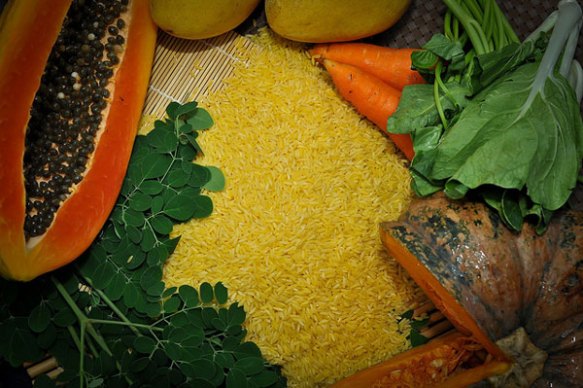
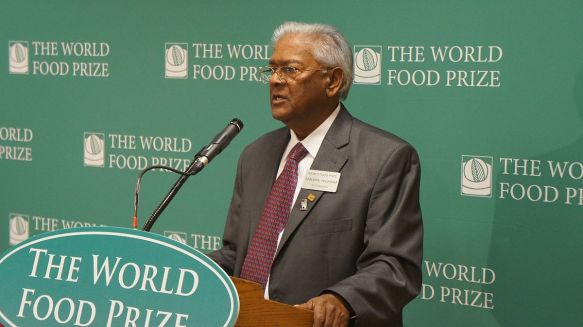 He does not write pamphlets with easy recipes for a better world. He has spent more time in the fields than captivating audiences. However, it is a symptom of a cultural disease that few people know Sanjaya Rajaram – and many know Vandana Shiva. This former is an Indian agronomist, who won the 2014 World Food Prize, has picked up the torch of Nobel Peace Prize winner Norman Borlaug, father of the Green Revolution who, in the second half of the last century, doubled grain production in much of the globe, as a result of better seeds, irrigation, fertilizers and pesticides. Rajaram has developed 500 new varieties of wheat grown in 51 countries. He came to Italy for the World Food Research and Innovation Forum promoted by the Emilia Romagna region.
 CRISPR ’s debut in the cultural programming of the Italian television occurred at “
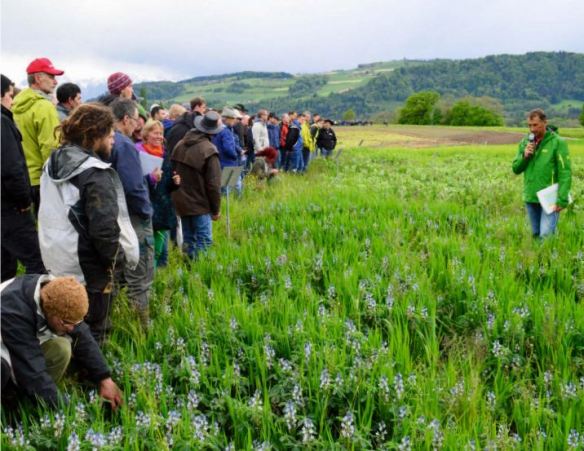 The German publication Greenpeace Magazin interviewed Urs Niggli, the director of
  CRISPeR FRENZY