
If you know the enemy and know yourself, you need not fear the result of a hundred battles. The military strategist Sun Tzu wrote it over two thousand years ago, but this quote could also apply to oncology research in the CRISPR era. Identifying the weak points of cancer cells is the first step to hit new molecular targets with the next generation of drugs.
The good news is that the Wellcome Sanger Institute has taken a giant leap toward this goal, drawing up a list of 600 candidate genes. The study just published in Nature by Mathew Garnett’s team comes with a twin paper by the Broad Institute, confirming the results by following an alternative approach. In a four-year tour de force of functional genomics, Sanger’s researchers used CRISPR to disrupt every gene in over 300 cancer models from 30 cancer types. From this amount of data, they developed a prioritization system which will guide big pharma’s hunt for new drugs.
 “Wow! Badass. 13,200 crispr base edits in a single cell! On the way to ‘recoded’ human cells,” tweeted Antonio Regalado before covering the news in
 Do you remember the
 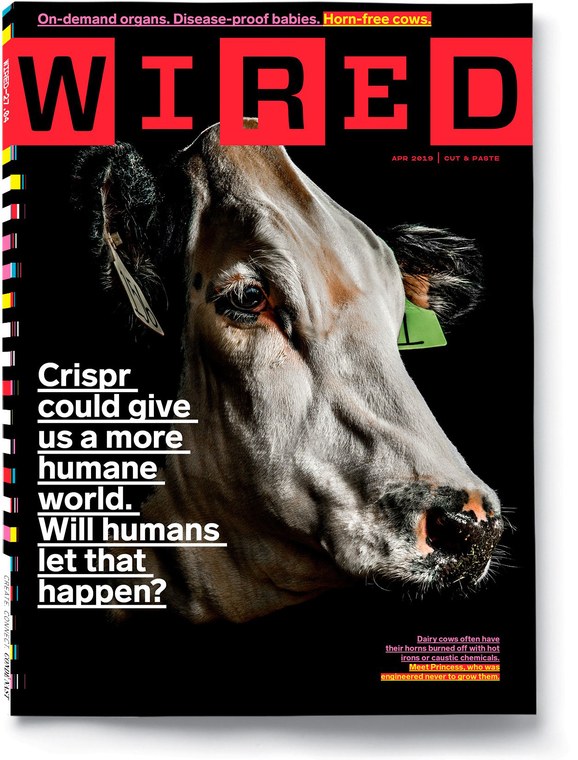 Edited animals are in the news this week.
  Where is Jennifer Doudna? This is the first thought most journalists had – me included – when reading the list of signatories to the call for the moratorium on heritable genome editing just published by
  Pollination is a natural way to deliver DNA into plant cells. So why not to use pollen as a vehicle for CRISPR machinery to start genome editing? HI Edit, as this approach is called, has been successfully tested by Syngenta in corn, Arabidopsis and wheat in the lab. Please see the paper just published in
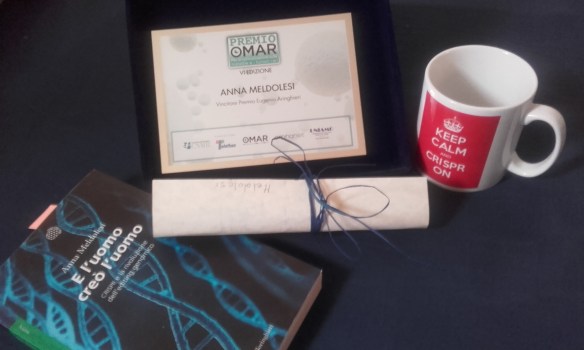

 The
The  CRISPeR FRENZY