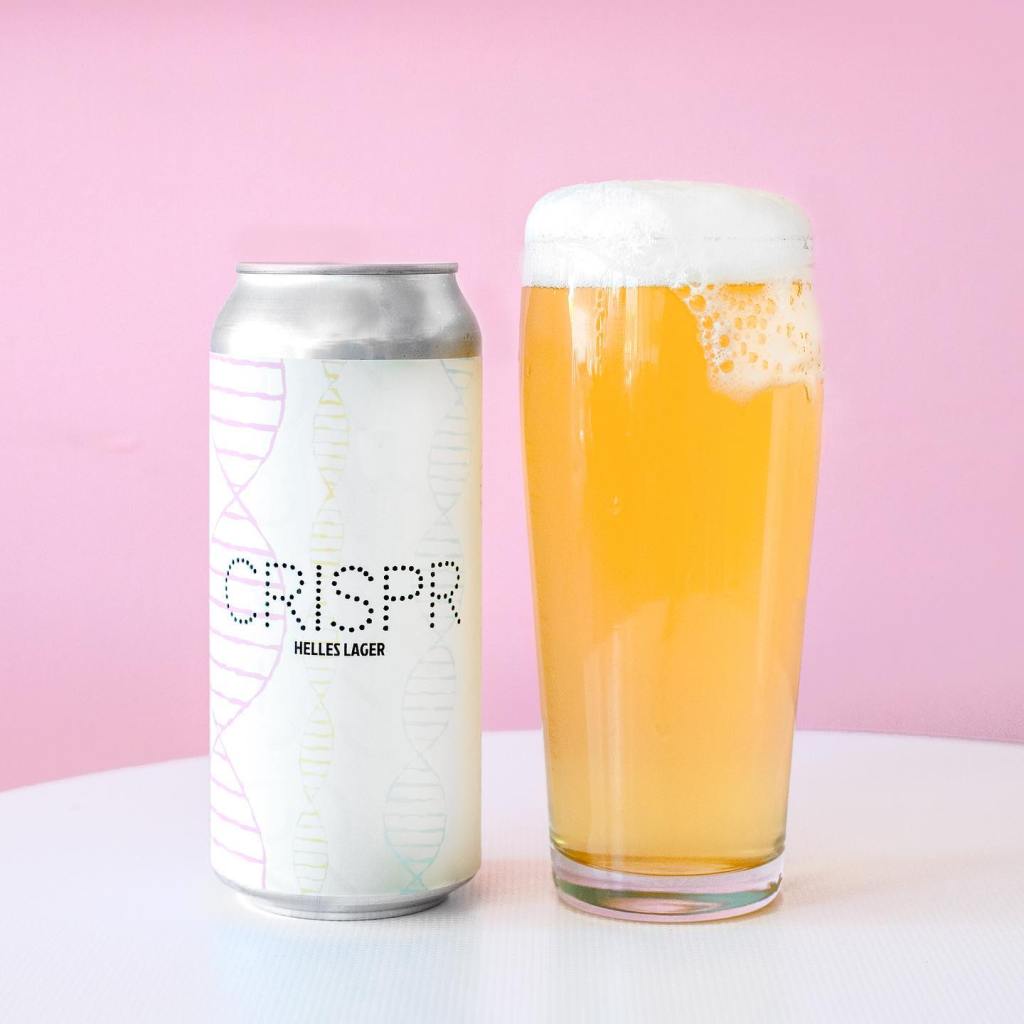
This is probably the first product branded as CRISPR-edited, how cool is it? The science comes from Berkeley Yeast. The cans are sold by Temescal Brewing and the claim is “Crisp, Malty, Helles Lager”.
Continue reading
This is probably the first product branded as CRISPR-edited, how cool is it? The science comes from Berkeley Yeast. The cans are sold by Temescal Brewing and the claim is “Crisp, Malty, Helles Lager”.
Continue reading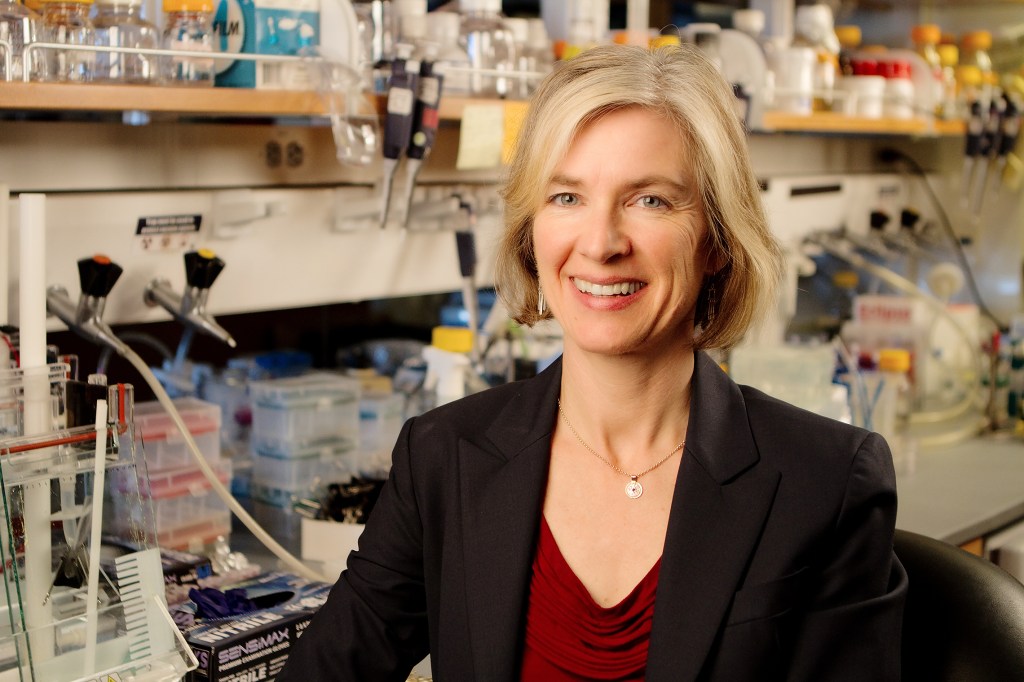
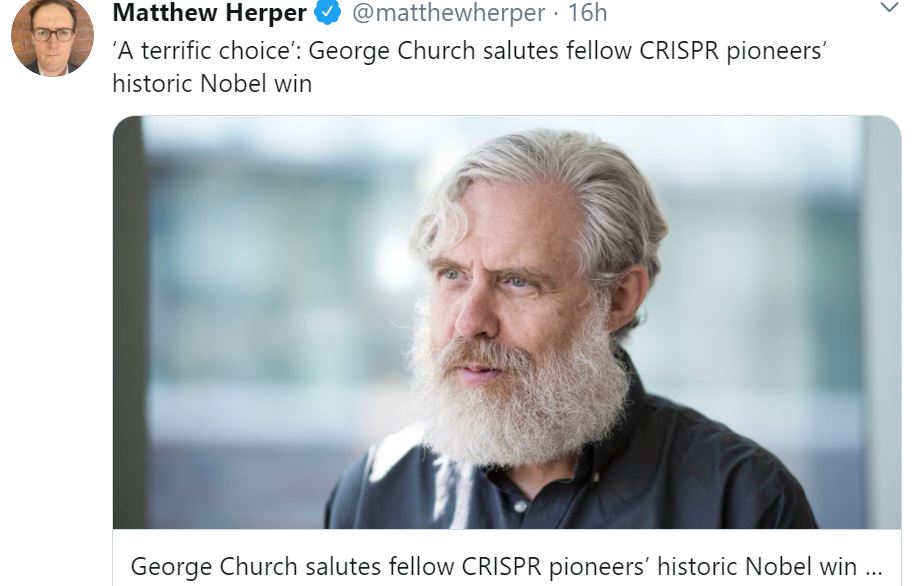
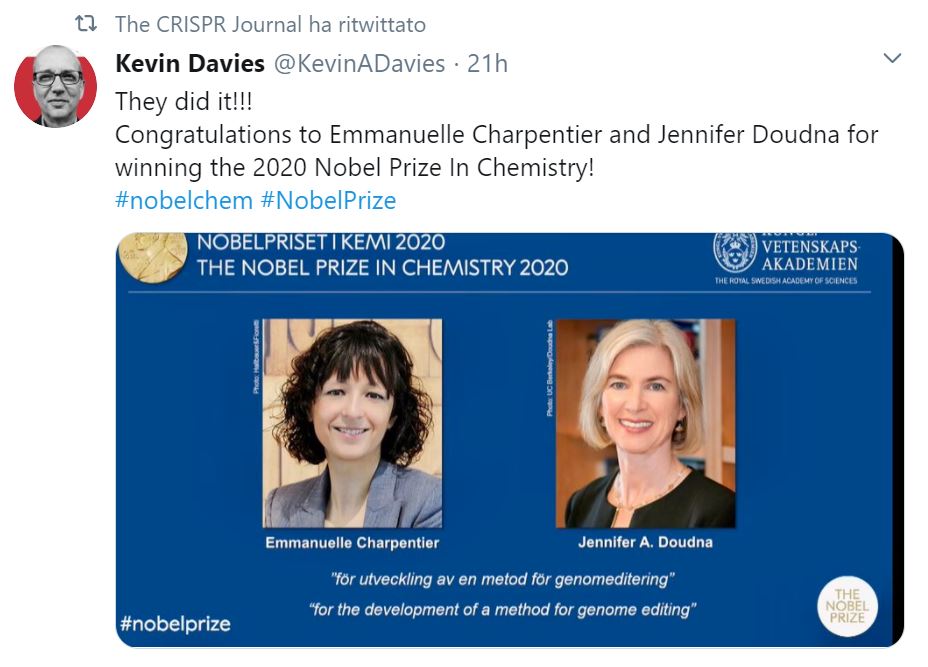
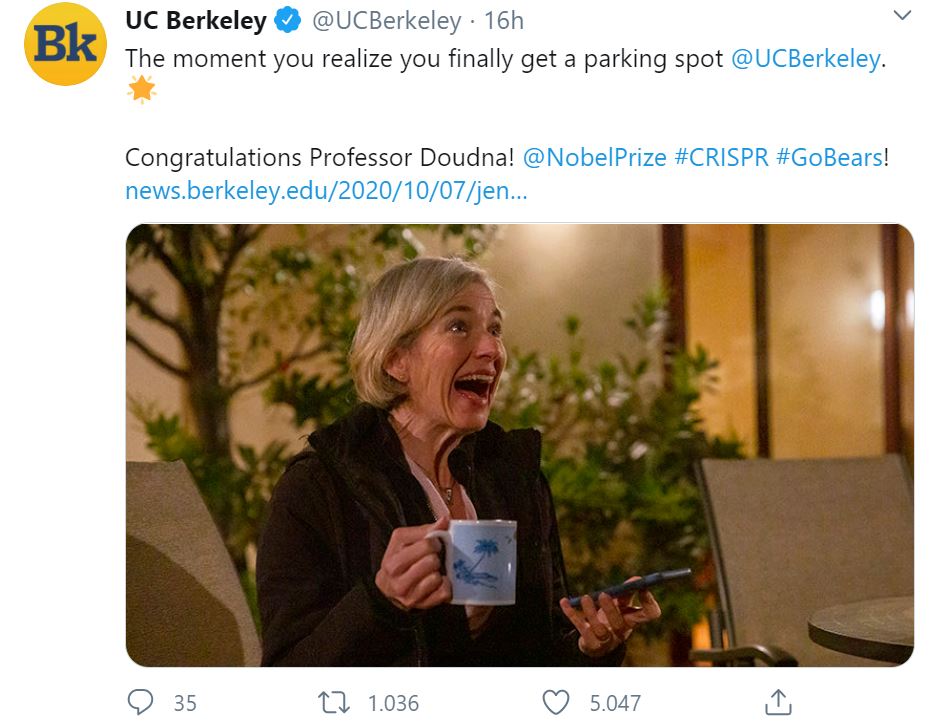
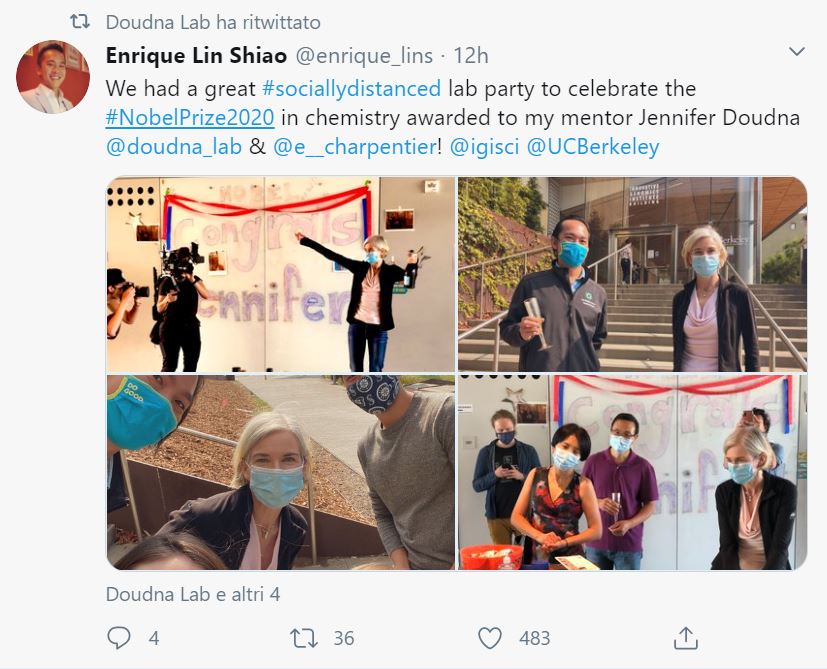
The Nobel Prize for CRISPR is one of the most exciting ever assigned in chemistry and one of the most celebrated in the media, for reasons related to the invention and the inventors alike. On the one hand, the technique is changing the practice and the image of genetic engineering. On the other hand, Jennifer Doudna and Emmanuelle Charpentier are not merely great scientists; they are a success story in cracking the glass ceiling and a symbol of the strength of collaboration.
Continue reading
Announcing the more than well-deserved prize to Jennifer Doudna and Emmanuelle Charpentier, the chair of the Nobel Committee for Chemistry Claes Gustafsson said: “There is enormous power in this genetic tool, which affects us all. It has not only revolutionised basic science, but also resulted in innovative crops and will lead to ground-breaking new medical treatments.” However, the media mostly celebrated CRISPR therapeutic applications while forgetting agriculture in the coverage of the Nobel Prize. Yet Doudna has spoken often, and passionately, about what CRISPR can do for sustainable agriculture and did it again at the World CRISPR Day, a few days after the Nobel announcement.
Continue reading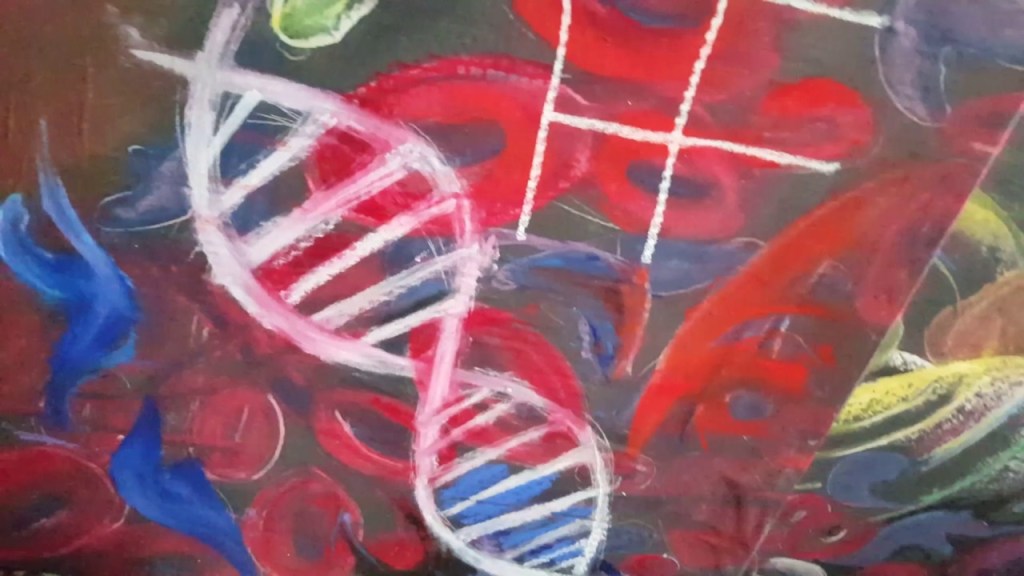
Covid19 is affecting everyone, but it has hit the sickle cell (SCD) community particularly hard. According to STAT News the pandemic has temporarily stopped clinical trials and the introduction of new drugs, besides directly impacting SCD patients who are at high risk for severe complications from Sars-Cov2 infection and may need hospital assistance for SCD pain crises.
Continue readingI watched Genesis 2.0, which is debuting in Italy almost two years after its release at the Sundance Film Festival. In the meanwhile, Semyon Grigoriyev has died. The Russian paleontologist leading the effort to clone a mammoth was one of the movie’s main characters. He always had little chance of success, and the plan’s odds are now worse than ever.
Continue reading
The Israeli company CanBreed announced that it is ready to edit medical grade cannabis. They aim to develop enhanced seeds, endowed with resistance to powdery mildew for example. But there’s plenty of science to do: despite being a multibillion-dollar business, cannabis can be considered a neglected plant from a research point of view.
Continue reading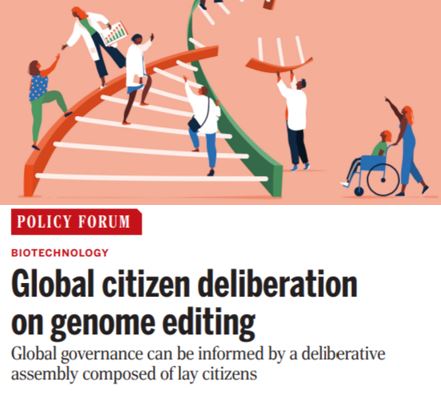
Let’s imagine a hundred or more citizens from all over the globe, selected to partecipate in a giant focus group aiming to represent world views. It would be an unprecedented social experiment, that’s for sure, but the call is worth considering. The bold proposal comes from a group of social scientists and a few geneticists (George Church included) writing today in Science. Fascinating as it is, this kind of assembly is probably easier said than done. However, the main problem, in my opinion, comes next: what should experts and politicians do with the assembly’s deliberations?
Continue readingI watched the first season of Biohackers, the new Netflix tech thriller. I will try to limit spoilers as much as possible. What interests me now are the characters: what do they tell us about CRISPR perception? Are they original or stereotypical?
Continue reading





 CRISPeR FRENZY