CRISPR rising stars

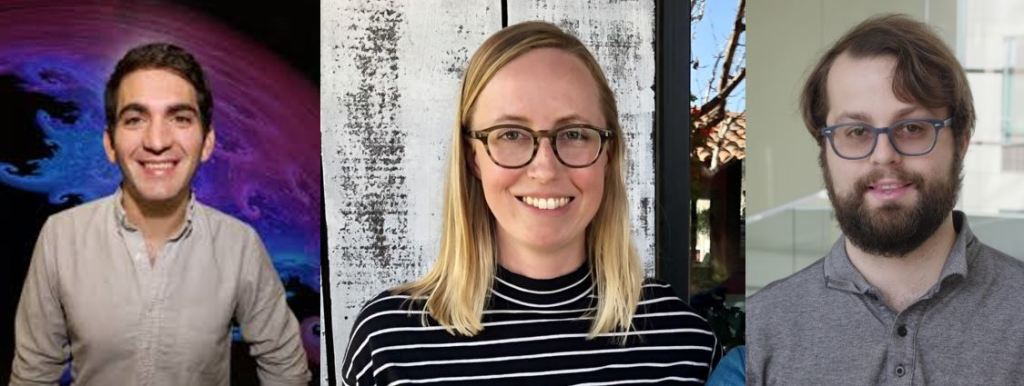
Andrew Anzalone (Broad Institute), Jennifer Hamilton (Berkeley) and Cameron Myhrvold (Princeton)

December is time for rankings and forecasts. Let’s start with STAT News celebrating young talents who could become the next generation of scientific superstars. Three CRISPR researchers appear among STAT wunderkinds. As a postdoc at the Broad Institute, Andrew Anzalone helped make a key advance by developing prime editing, where the same RNA molecule specifies the target and the desired edit. Jennifer Hamilton, from Berkeley, works on solving one of the major hurdles of CRISPR-based therapies: delivering the genome editor to the desired cells. Cameron Myhrvold, has since worked at the Broad Institute on developing CRISPR-based diagnostics such as CARMEN and is about to start his own lab at Princeton.

CRISPR goes graphic

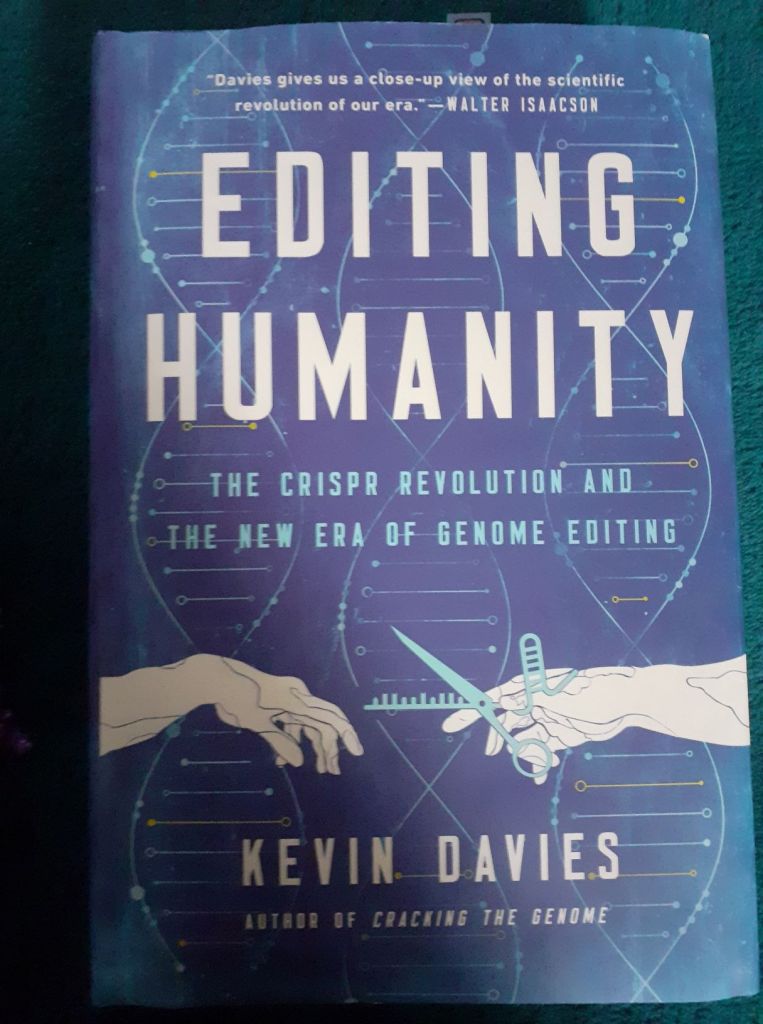
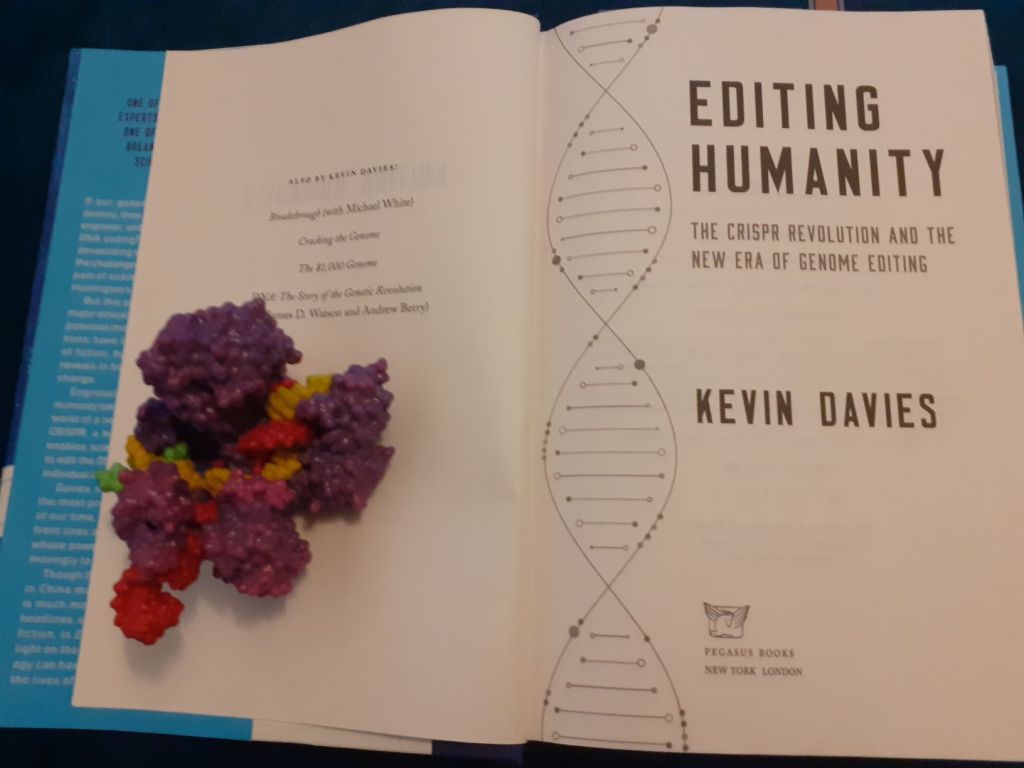
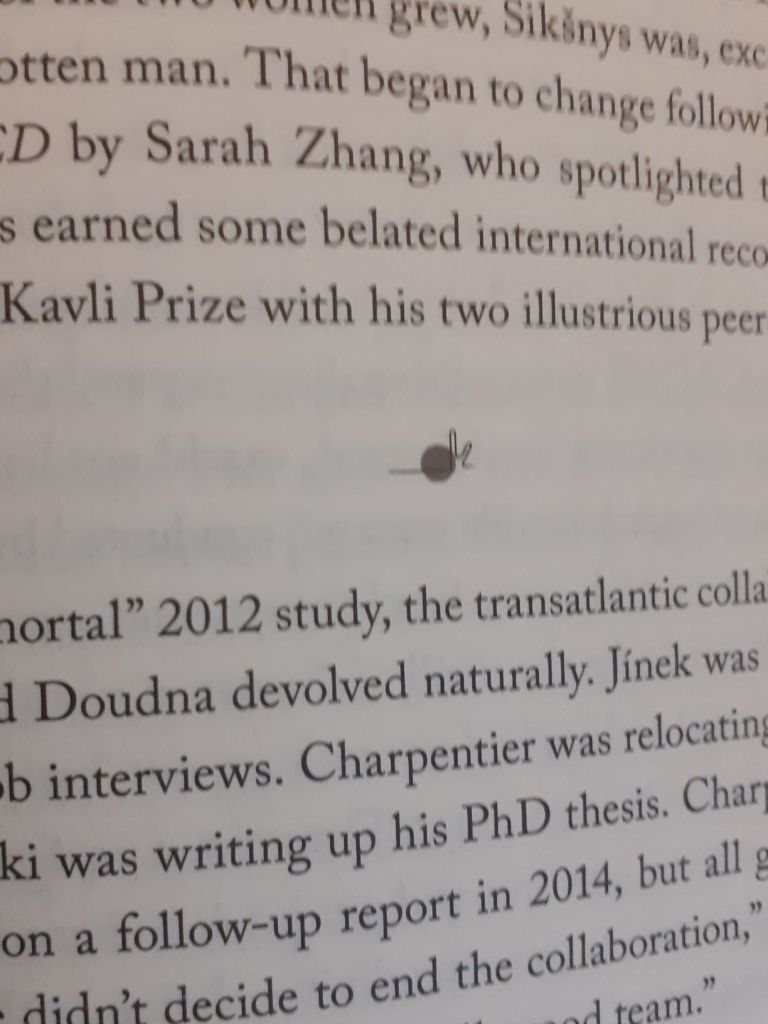
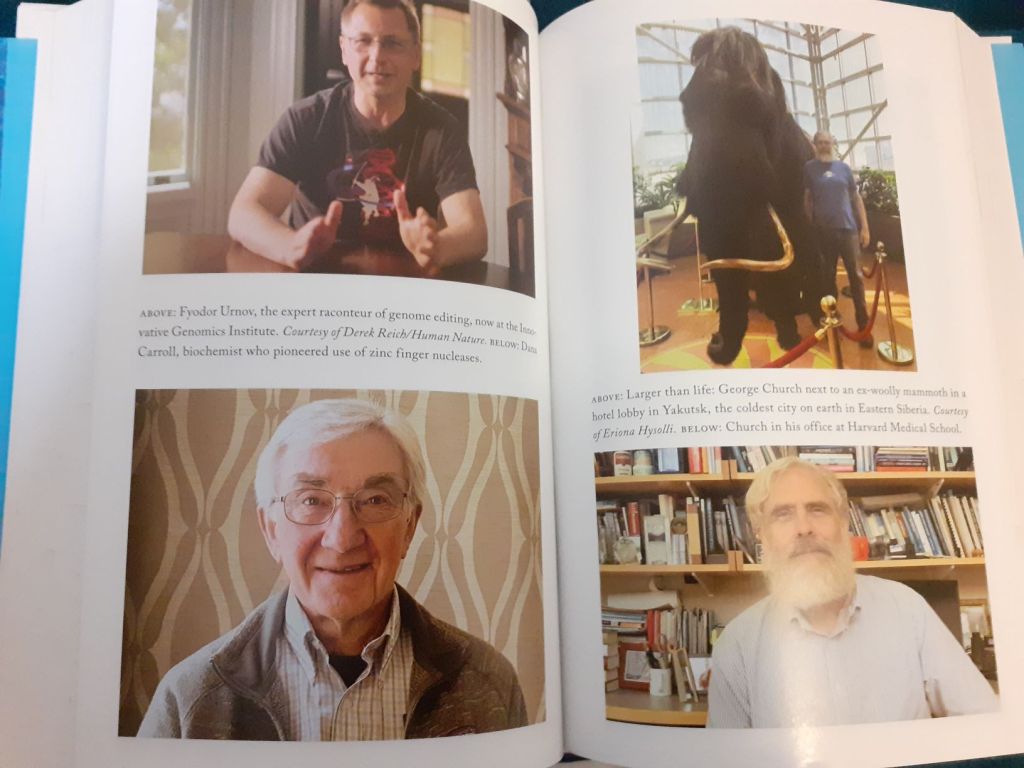
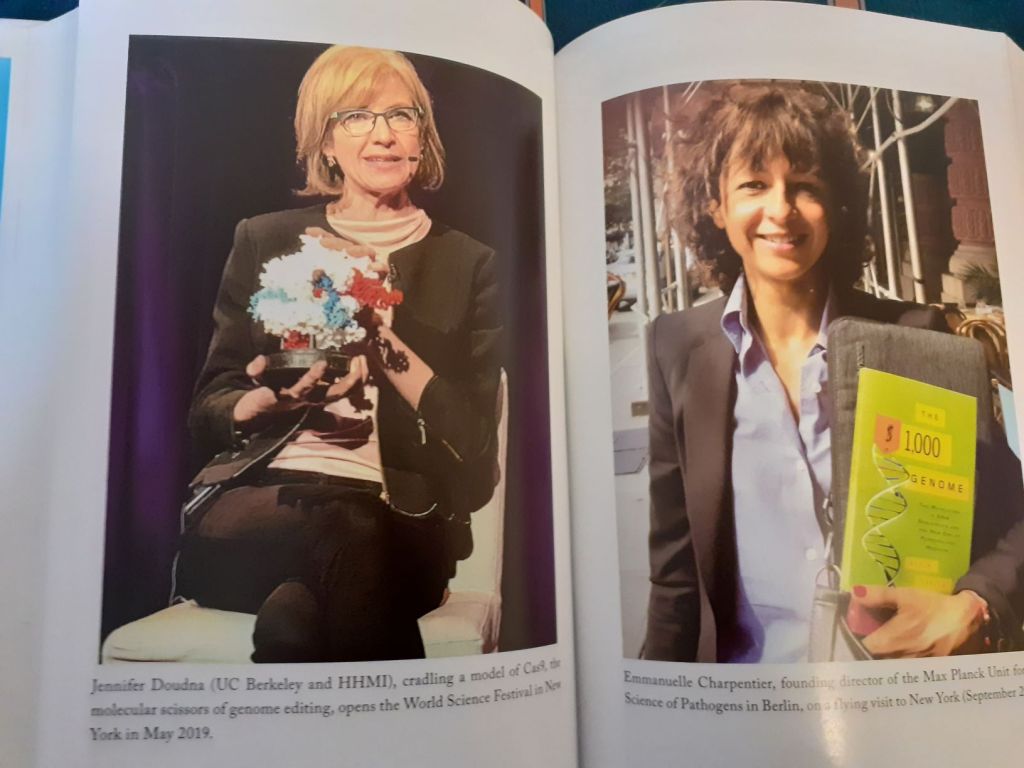
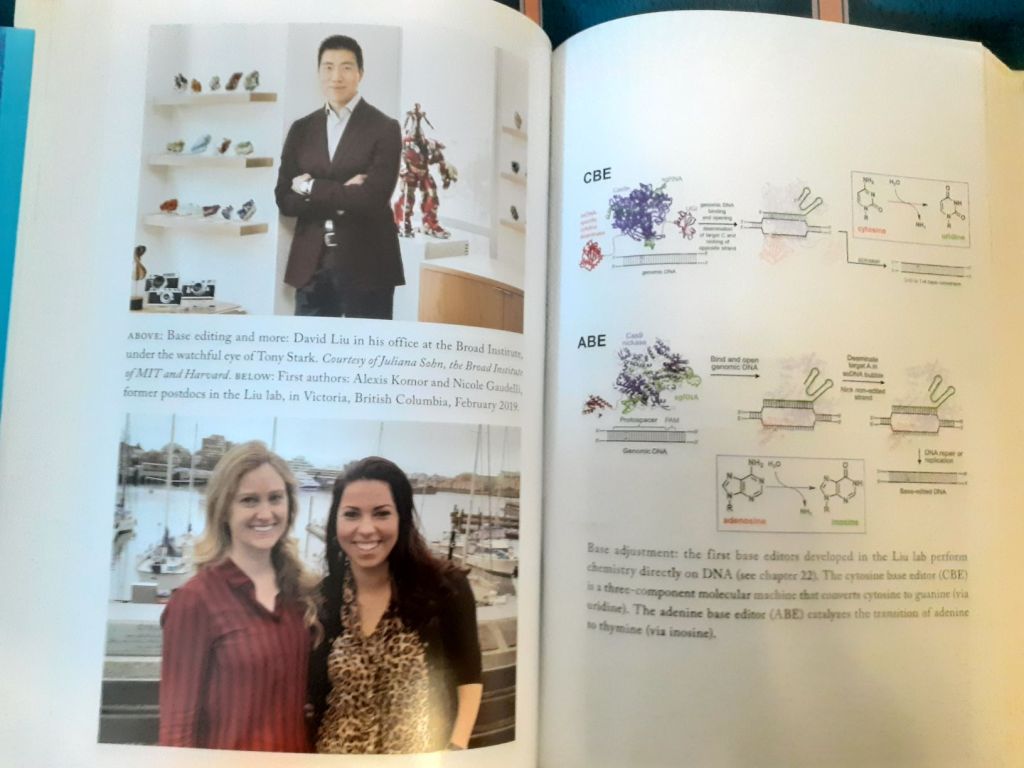
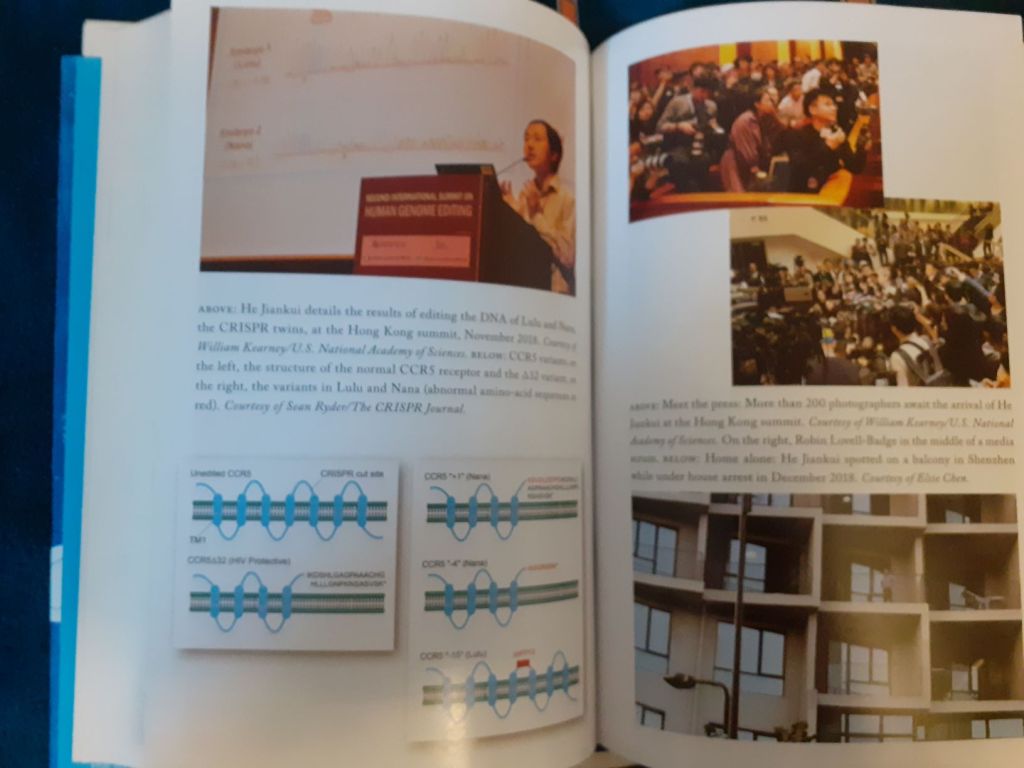
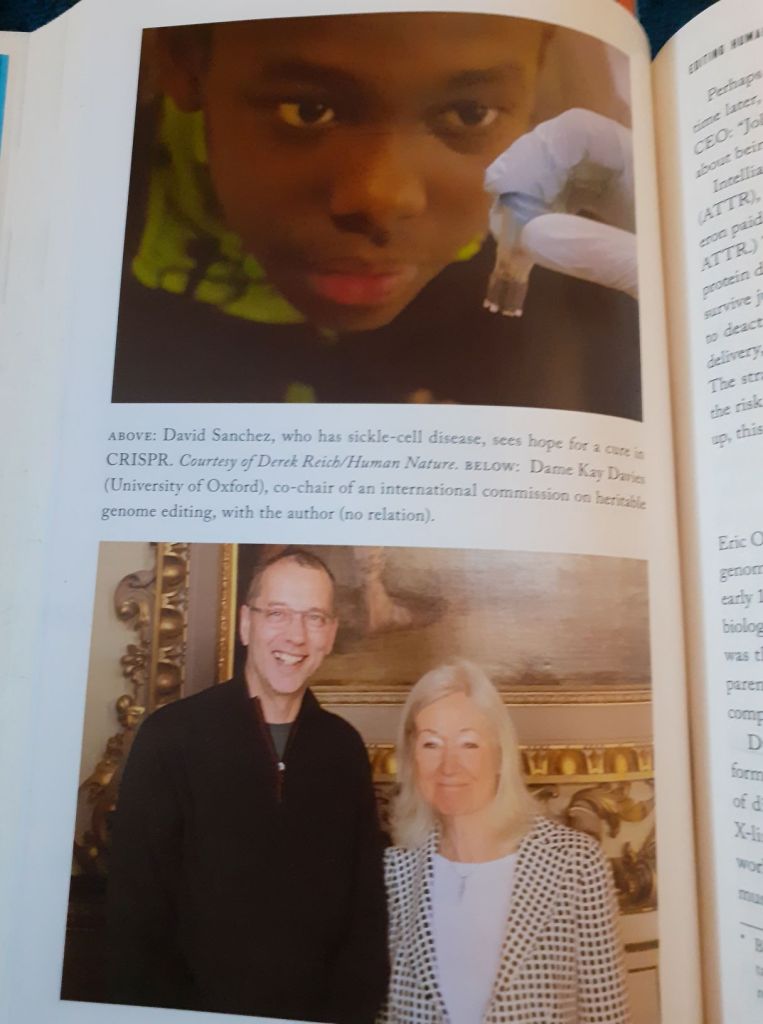
No wonder “Editing Humanity” by Kevin Davies is good reading. The executive editor of The CRISPR Journal (and the founding editor of Nature Genetics) is really in a great position to tell the CRISPR story so far. But the book deserves praise also for its aesthetic qualities, i.e., pictures and graphics. I’m totally in love with the typographical character marking the start of paragraphs – there is a sign representing Cas9 in place of the conventional pilcrow ¶.

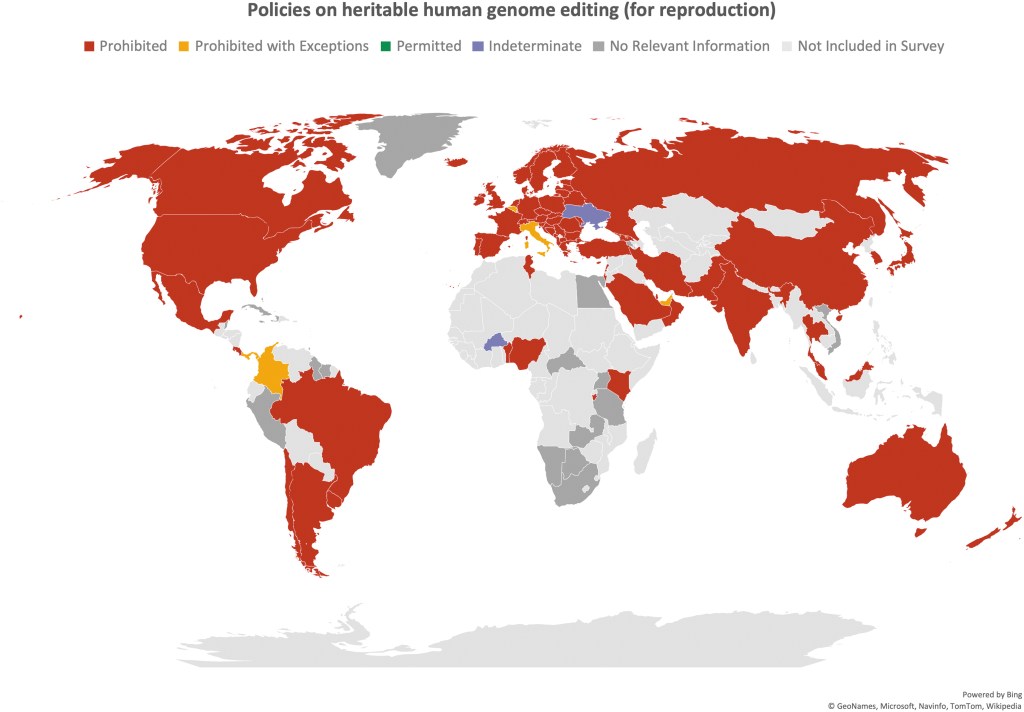
Italy is a yellow spot in the heritable editing map. Why?

Look at this map, from a detailed and up-to-date analysis published in the CRISPR Journal. It’s the global policy landscape on heritable human editing, i.e., modified embryos transferred to a uterus to initiate a pregnancy. Who would expect a catholic country like Italy to stand out as one of the very few countries not totally prohibiting such a controversial practice?

Continue reading

Our CRISPR future, according to J. Doudna

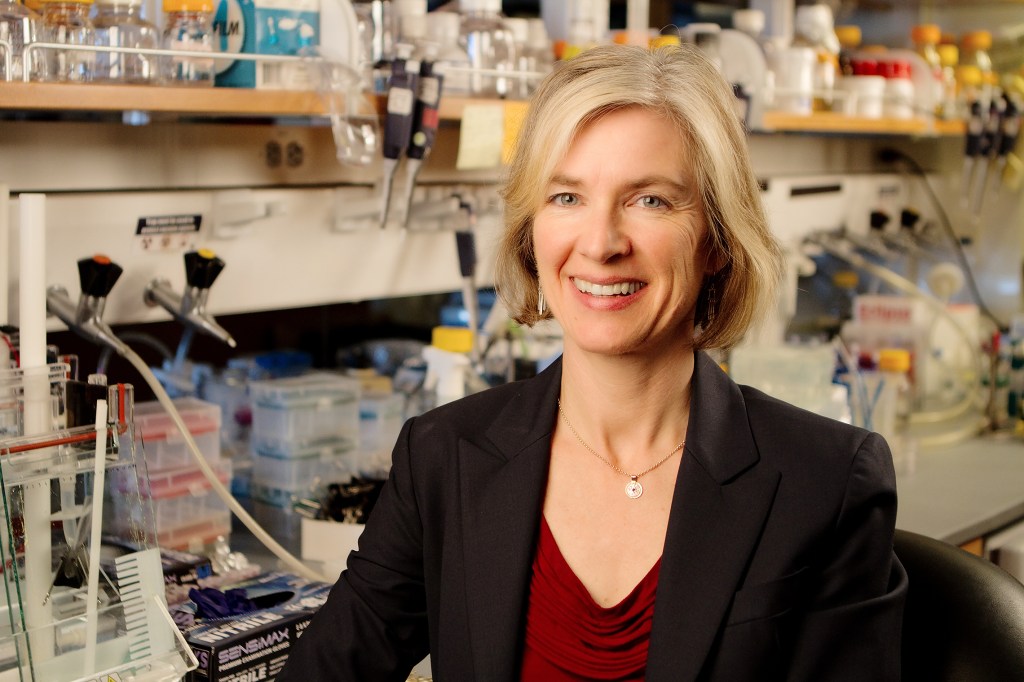
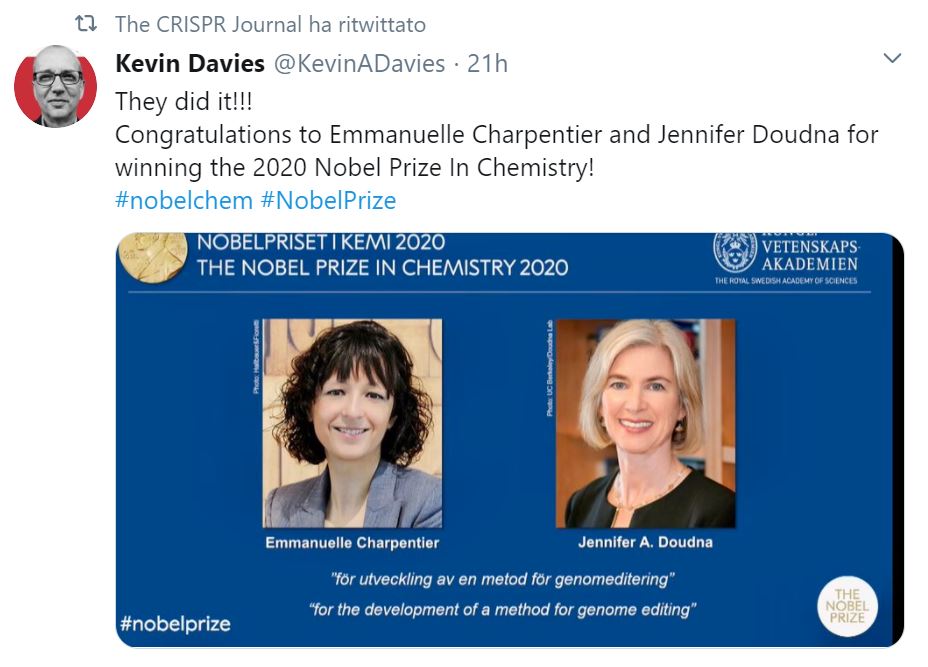
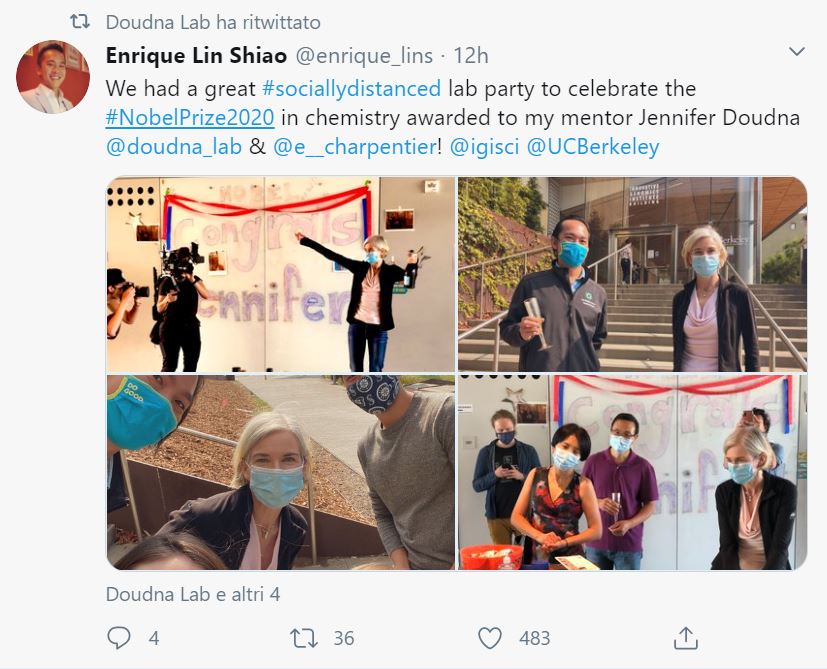
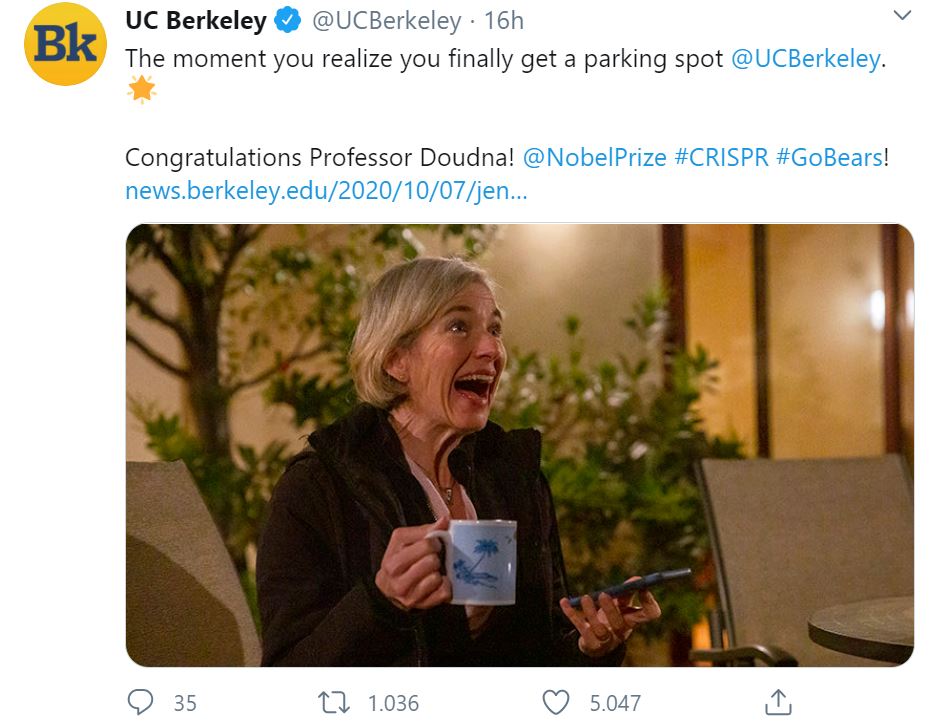
The Nobel Prize for CRISPR is one of the most exciting ever assigned in chemistry and one of the most celebrated in the media, for reasons related to the invention and the inventors alike. On the one hand, the technique is changing the practice and the image of genetic engineering. On the other hand, Jennifer Doudna and Emmanuelle Charpentier are not merely great scientists; they are a success story in cracking the glass ceiling and a symbol of the strength of collaboration.

Continue reading

Doudna on CRISPR in agriculture

Credit Ft

Announcing the more than well-deserved prize to Jennifer Doudna and Emmanuelle Charpentier, the chair of the Nobel Committee for Chemistry Claes Gustafsson said: “There is enormous power in this genetic tool, which affects us all. It has not only revolutionised basic science, but also resulted in innovative crops and will lead to ground-breaking new medical treatments.” However, the media mostly celebrated CRISPR therapeutic applications while forgetting agriculture in the coverage of the Nobel Prize. Yet Doudna has spoken often, and passionately, about what CRISPR can do for sustainable agriculture and did it again at the World CRISPR Day, a few days after the Nobel announcement.

Continue reading

Breaking or fixing? A tale of two approaches for hemoglobinopathies

Painting by Hertz Nazaire

Covid19 is affecting everyone, but it has hit the sickle cell (SCD) community particularly hard. According to STAT News the pandemic has temporarily stopped clinical trials and the introduction of new drugs, besides directly impacting SCD patients who are at high risk for severe complications from Sars-Cov2 infection and may need hospital assistance for SCD pain crises.

Continue reading
Where is the revived mammoth?

I watched Genesis 2.0, which is debuting in Italy almost two years after its release at the Sundance Film Festival. In the meanwhile, Semyon Grigoriyev has died. The Russian paleontologist leading the effort to clone a mammoth was one of the movie’s main characters. He always had little chance of success, and the plan’s odds are now worse than ever.

Continue reading

Editing medical cannabis

CanBreed CEO Ido Marga

The Israeli company CanBreed announced that it is ready to edit medical grade cannabis. They aim to develop enhanced seeds, endowed with resistance to powdery mildew for example. But there’s plenty of science to do: despite being a multibillion-dollar business, cannabis can be considered a neglected plant from a research point of view.

Continue reading