A little more patience. The European Parliament’s final vote, originally scheduled for March, has been postponed to late April, but the finish line is in sight. We should finally have rules that distinguish true transgenic plants (containing foreign DNA) from edited plants that do not contain extra genes and are indistinguishable from traditional breeding programs.
Inspired by the Baby KJ case, the agency proposes a flexible framework allowing personalized treatments for individual patients to contribute to shared, platform-based approvals.
The announcement appeared on November 12 in the New England Journal of Medicineunder a seemingly cautious title: “The FDA’s New Plausible Pathway.” Yet the article, written by two senior figures at the Food and Drug Administration, reveals vision and leadership. For once, it is worth starting from the end, which reads like a strong statement of intent: “Nearly 30 years after the sequencing of the human genome, bespoke therapies are close to reality. The FDA will work as a partner and guide in ushering these therapies to market, and our regulatory strategies will evolve to match the pace of scientific advances.”
The FDA is set to authorize “umbrella” clinical trials for rare diseases; the new approach will make the process faster and more sustainable by combining data from similar protocols, cutting redundant procedures, and reducing animal testing.
The International Union for Conservation of Nature (IUCN) rejects the moratorium request and approves a resolution recognizing the risks and benefits of SynBio techniques, calling for case-by-case evaluations
A year after the European Parliament voted to ban patents, EU countries still seek a compromise on NGT regulation
The revision of the regulatory framework for genetically modified plants currently underway in Europe aims to keep pace with technological advances and support the development of sustainable agriculture. The scientific community, the seed industry, and major farmers’ associations view the overall framework positively, but the devil is still in the details.
Italy has long been one of the most hostile countries toward GMOs, to the point of shutting down research in this field. Today, however, it stands among the most active EU members in testing New Genomic Techniques. How did this transformation happen? EMBO Reports features insights from some of the Italian scientists who have championed the defense of GMOs and the revival of experimental fields. Happy reading!
A wait-and-see atmosphere lingers in the biotech and pharma sector. Vice President-designate J.D. Vance recently spoke with enthusiasm on Joe Rogan’s podcast about the first CRISPR treatment to hit the market—the one for sickle cell anemia. However, there’s rising concern about RFK Jr., who could exert significant influence over health and food policies. His broad “natural = good” ideology is both philosophically and scientifically dubious, and his clear anti-GMO positions are worrisome. Listening to his conversation with anti-biotech activist Jeffrey Smith on the RFK Jr. podcast reveals a revival of the classic 1990s narrative—corporations as villains, a corrupt establishment, suppressed scientists, concealed health risks—all now repurposed to criticize CRISPR technology, which is portrayed as unreliable and uncontrollable.
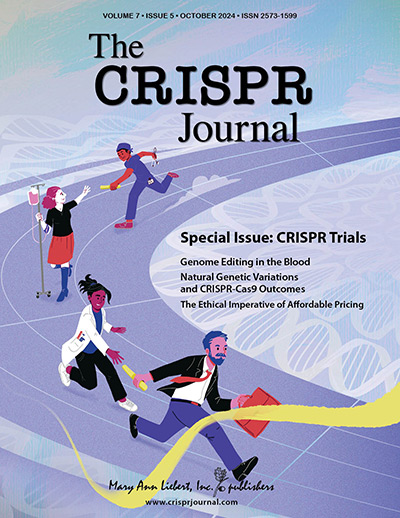
It’s been about a year since the first CRISPR-based treatment was approved in the United States and Europe. However, those expecting a surge in approvals of new gene-editing therapies may be disappointed. Next in line will likely be another approach to treating sickle cell disease, followed by therapies for TTR amyloidosis and hereditary angioedema around 2026-27. According to The CRISPR Journal, that’s all we can expect over the next 3-5 years. Is Casgevy destined to stand out like a cathedral in the desert? We have a super-versatile platform capable of fixing a myriad of genetic defects, so why is the CRISPR revolution slowing down? To understand the looming crisis and the countermeasures needed, don’t miss Fyodor Urnov’s in-depth editorial entitled “Give Cas a Chance: An Actionable Path to a Platform for CRISPR Cures.”
Four intense days of talks and discussions on the present and future of agricultural genetics. We will be there at the round table “Social impact of plant biotechnologies: challenges and opportunities” (12 September afternoon). See the full program here.
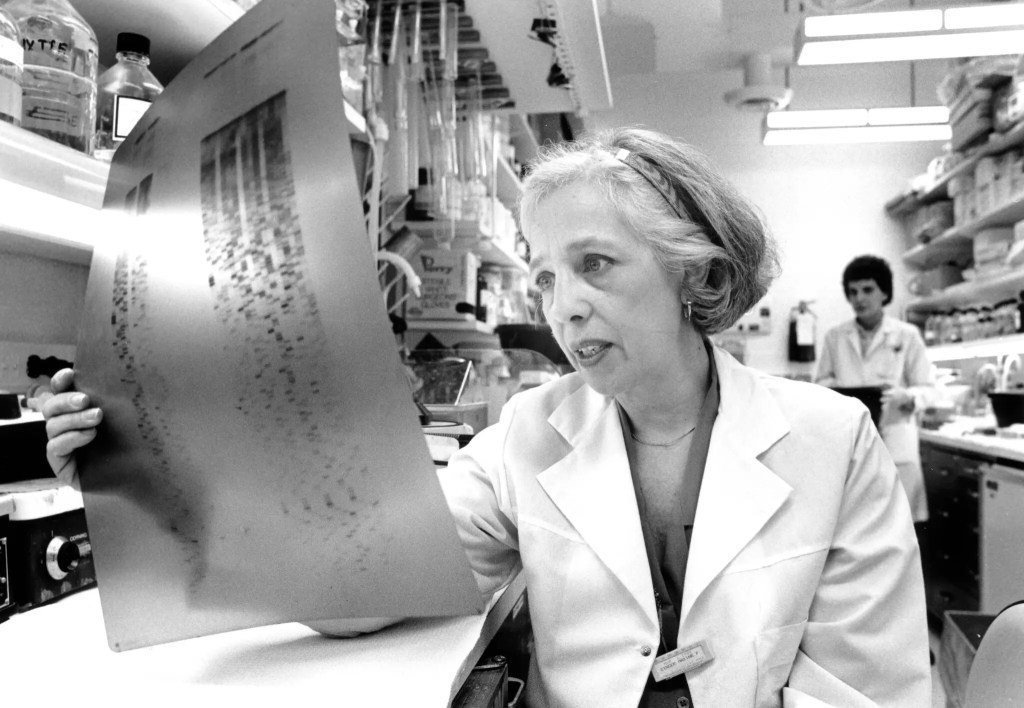
Maxine Singer was a pioneer in DNA research, inspirer of the Asilomar Conference for the self-regulation of genetic engineering, a key player in an exciting and tumultuous phase of biology, a voice for women in science. This is how the New York Times remembers her.





 CRISPeR FRENZY