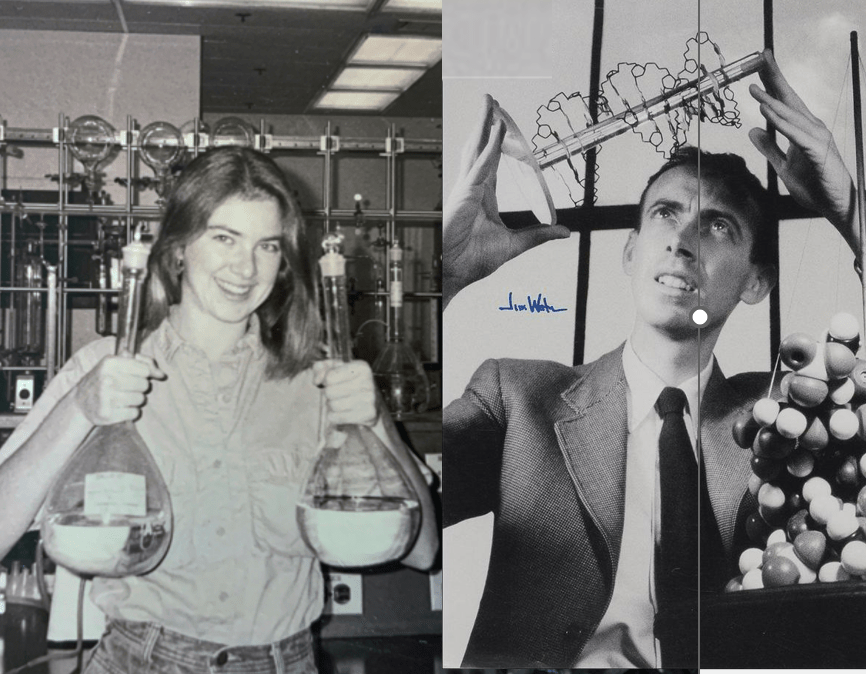
Jennifer and Jim: Mr. DNA told by Lady CRISPR

The fascination with biochemistry sparked by The Double Helix, the thrill of her first invitation to Cold Spring Harbor, and the melancholy of her last visit to the disgraced genius.

While we wait for Nathaniel Comfort’s upcoming biography of James Watson, Jennifer Doudna’s story in The Code Breaker by Walter Isaacson offers a revealing lens on the scientist whose outstanding legacy is overshadowed by his offensive claims about intelligence and race. Doudna crossed paths with Watson three times — moments that shaped both her imagination and her opinion of the man who helped discover the structure of DNA.

Continue reading
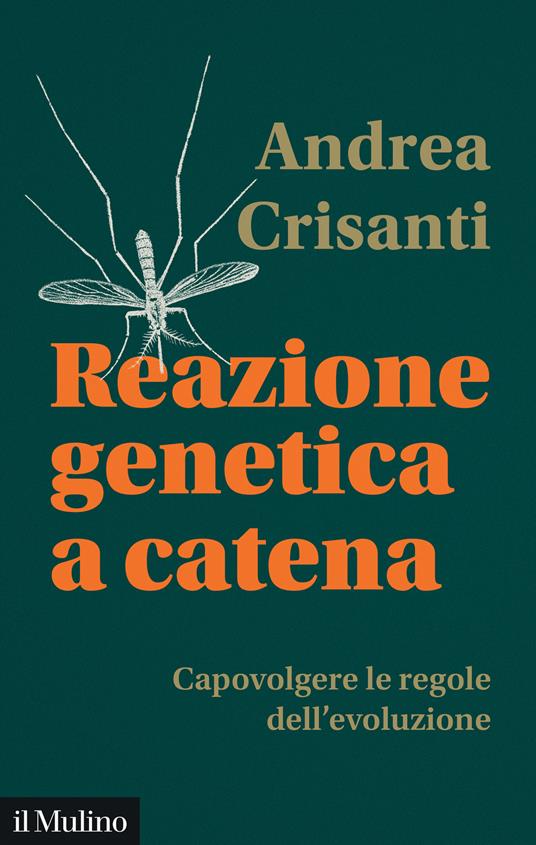
Gene drives: the first book by a pioneer

Italy has a strong tradition in malaria research, and it’s noteworthy that one of the most innovative tools to fight this disease in the future was developed with the crucial contribution of an Italian scientist. Andrea Crisanti has become a familiar face in the country due to his expertise in COVID-19 epidemiology and numerous TV appearances, first during the pandemic and later in his role as a senator. Yet his international reputation is more firmly rooted in a different field: the development of CRISPR-based strategies to eliminate malaria-transmitting mosquitoes.

Continue reading

Never underestimate RNA or lowly creatures

RNA interference, mRNA vaccines, RNA-guided editing. These are just some of the fields of biomedical research that have exploded in recent years and brought RNA out of the projected shadow of the most famous nucleic acid: DNA. Credit for the ongoing scientific and technological revolution goes to researchers such as Thomas Cech, who have been able to look beyond the double helix and, in many cases, have earned Nobel prizes (the latest being Katalin Karikό for the anti-Covid vaccine). But we also owe a nice gratitude to the strange critters who first exhibited some unexpected phenomena that later became of universal interest.  

Continue reading

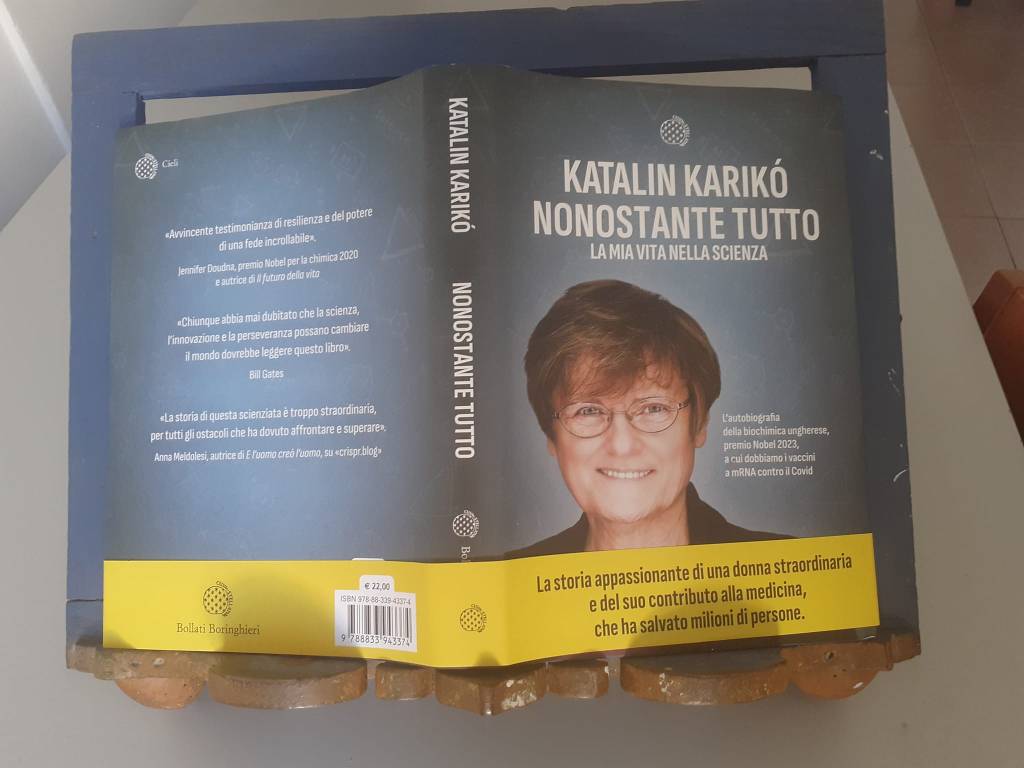
A must-read recommended by Doudna, Gates and…

The Italian publisher did me the crazy honor of including a quote from me on the back cover of the best book of the year (IMHO), along with quotes from CRISPR inventor Jennifer Doudna and Bill Gates. The autobiography of Katalin Karikó, the mRNA vaccine scientist, is a must-read for those who love great science and great minds. We had already blogged about her in the aftermath of the Nobel Prize.

Crispy weekend reads

This is an issue for all tastes and interests. Don’t miss (Broken) Promises of Sustainable Food and Agriculture through New Biotechnologies by Todd Kuiken, Rodolphe Barrangou and Khara Grieger; A Code of Ethics for Gene Drive Research by George Annas and other members of the Controlling and Countering Gene Editing in Mosquitoes research project funded by the DARPA Safe Genes program; The Cas9 Hammer and the Sickle by Fyodor Urnov.

From the double helix to CRISPR: Watson updates his genetic revolution

watson-book

Let’s read these letters: DNA. Who’s the first person who comes to your mind? The chances are high that you say James Watson, the politically incorrect half of the pair that in 1953 unveiled the double helix and the molecular basis of inheritance. It can be argued that this discovery opened the path leading to the invention of CRISPR sixty years later. The scientist who personifies one of the biggest turning points for human culture, now eighty-nine, has written what he thinks of the young technology for genome editing in the latest edition of “DNA. The Story of the Genetic Revolution “. The book, first published in 2003, has just been updated to cover the latest science and technology developments. Continue reading

Forthcoming

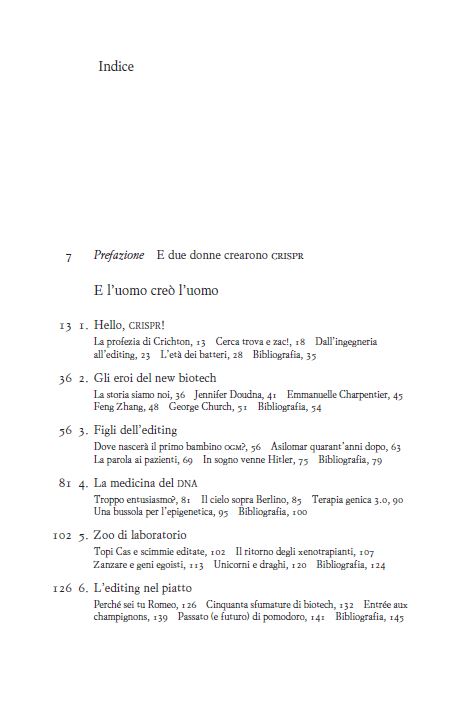
cover-libroRefining, chiselling, correcting DNA letter by letter. You can do it simultaneously in dozens of selected sites, or in one place, leaving no trace. A new kind and powerful technique is changing the face of biology. Cheap and easy to handle but precise as a laser. It allows reaserchers to change living organisms as they wish, by carefully targeting their DNA. It doesn’t bombard them by means of random mutations, it doesn’t cut and sew the DNA in a traditional way, as in the past. Will it transform medicine, agriculture and the world as we know it? Enthusiasm and fears are chasing each other, and this book explains the unfolding revolution. Welcome to the age of CRISPR. Continue reading