
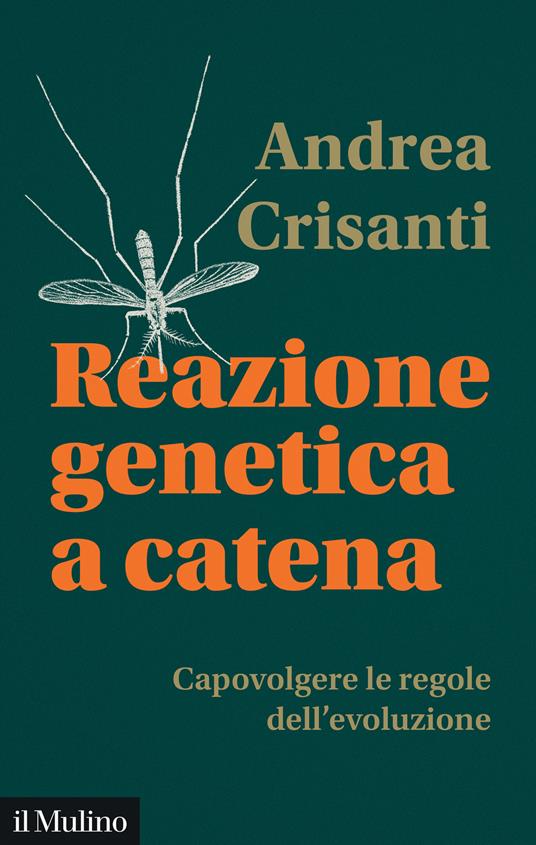
Italy has a strong tradition in malaria research, and it’s noteworthy that one of the most innovative tools to fight this disease in the future was developed with the crucial contribution of an Italian scientist. Andrea Crisanti has become a familiar face in the country due to his expertise in COVID-19 epidemiology and numerous TV appearances, first during the pandemic and later in his role as a senator. Yet his international reputation is more firmly rooted in a different field: the development of CRISPR-based strategies to eliminate malaria-transmitting mosquitoes.
I’ve reported on this line of research on several occasions in recent years, in newspapers, magazines, and on this blog. I’ve returned to it now to review this new book in the July issue of the Italian edition of Scientific American.
The historical sections are engaging, and the genetic content is essential reading, although it can be quite dense at times. Among other observations, I write that readers interested in the ethical debates surrounding this cutting-edge field will likely finish the book with more questions than answers, but they will still have spent their time wisely.
This is, after all, the first popular science book entirely dedicated to the subject, and understanding the science behind gene drives is a necessary step before weighing their potential benefits and limitations.

