A petition for CRISPR fields in Italy

This year Italy authorized the first field trial with an edited plant, a rice variety modified to resist a fungus. The trial was vandalized, but enough plants were saved to continue with reduced goals. Now the Italian Parliament should confirm the regulatory window that made the application possible for next year as well. No experimentation can run out after just one year, and there are many more plants developed in Italy with the New Genomic Techniques that deserve to be tested in the field. This is why the Luca Coscioni Association for Freedom of Scientific Research is collecting signatures and addressing the Parliament. I have signed, you can do so too at this link.

Shock and sadness after destruction of Italy’s first CRISPR field

Having attended the festive launch of the first field trial of a CRISPR plant developed in Italy on May 13, we share the dismay of the scientists behind the project – Vittoria Brambilla and Fabio Fornara of the State University of Milan – over the destruction tonight by unknown ecoterrorists of the harmless seedlings, which represented hope for sustainable agriculture and innovative research in our country. The official press release follows. Here are a few links for further reading.

Continue reading

Cis-editing for all, even for foodies

Nature Biotechnology devoted an editorial to the positive contribution CRISPR can make to the democratization of agricultural biotechnology. The hope is that, without the burden of overregulation, even public institutes and small biotech companies can bring useful products from the lab to the fields. Gene editing without the introduction of “trans” sequences from other species can be given the suffix “cis,” hence the title of the article, Cis-editing for all.

Continue reading

A very special day for NGTs in Italy

The fence bounds twenty-eight square meters of bare land in the middle of the Lombard countryside. Inside it a dozen researchers from the University of Milan are busy. The laptop resting on the ground shows the layout of the plots. A meter is unrolled to mark the coordinates on the ground.  Yellow tags are ready to be stuck into the clods: the inscription TEA (the Italian equivalent of New Genomic Techniques is “Assisted Evolution Techniques”) is used to mark rice that has been genetically edited for resistance to a fungal disease (rice blast), while the abbreviation WT indicates wild-type plants, which have not been modified and serve as a control group.

Continue reading

Italian CRISPR rice on its way to the field!

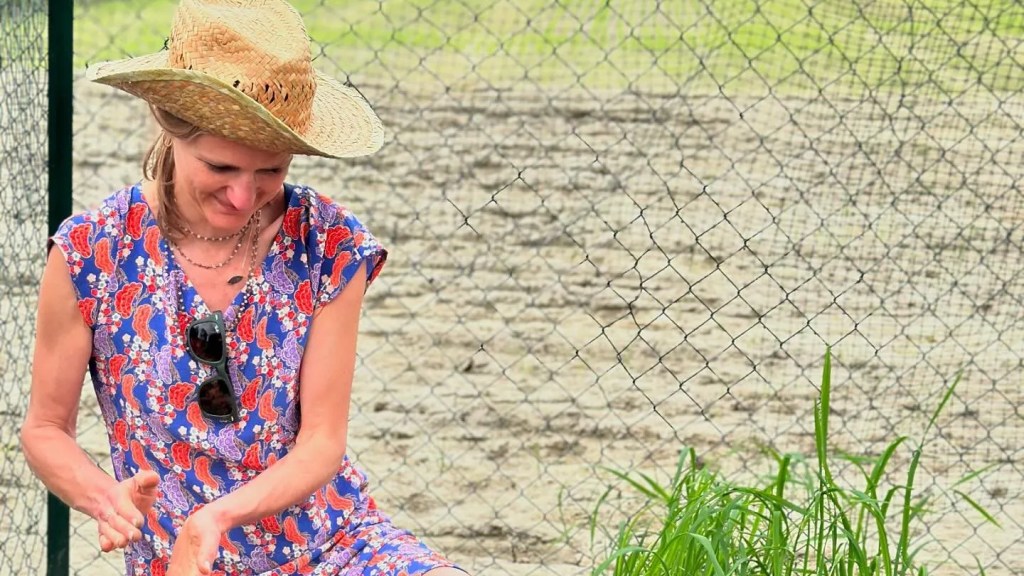
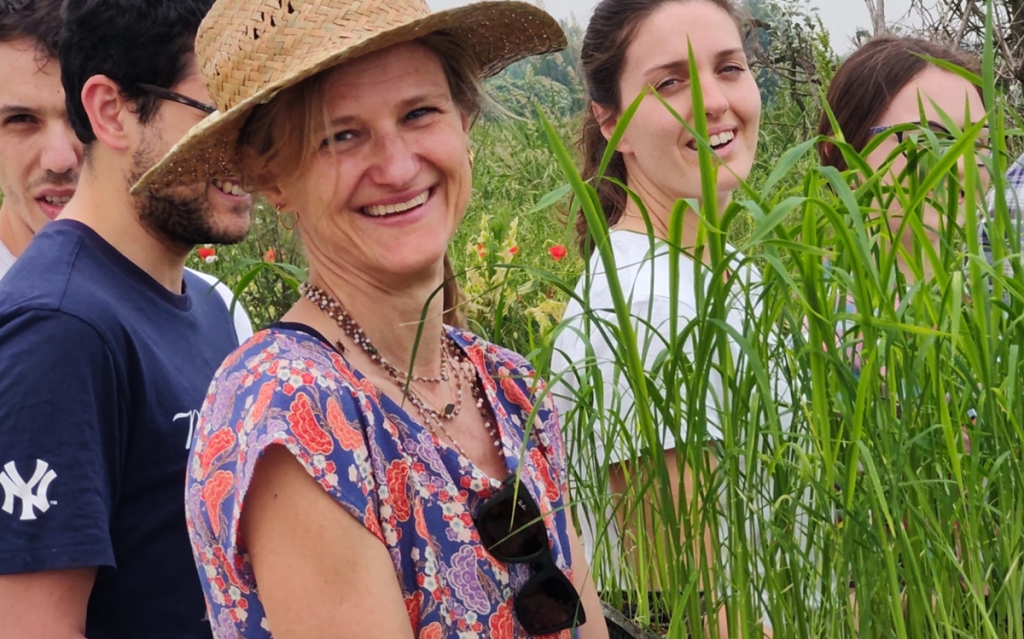
Early in the morning on Monday, May 13, Vittoria Brambilla will open her technological treasure chest at the Department of Agricultural and Environmental Sciences at the University of Milan. In jargon it is called a phytotron and is an air-conditioned room. Here are kept 400 precious plantlets, ready to be transferred to Italy’s first experimental field of the CRISPR era, with the blessing of the Ministry of Environment and Energy Security. Fertile soil awaits them in which to sink their delicate roots, and then sun, wind, rain and perhaps drought and pests. All that changeable stuff happens when you grow outdoors instead of inside a laboratory.” To learn all about this field debut (the first after a 20-year wait in Italy), the trial that is about to begin and who made it possible, there is my new piece for Le Scienze, with comments from Vittoria Brambilla, Roberto Defez, Elena Cattaneo, Roberto Schmid and Federico Radice Fossati, the ag entrepreneur who offered his land for the trial. For more technical details on this fungus-resistant rice there is the article I had published in Nature Italy. In the gallery above, meanwhile, you will find: the researchers of the laboratories directed by Vittoria Brambilla and Fabio Fornara, the sign posted outside the experimental field, the climate-controlled chamber holding the edited seedlings until next week, one of the trays in which they will be transported, the cage delimiting the experimental field, yet to be completed with the upper part (28 square meters in Mezzana Bigli, in the province of Pavia, northern Italy).

Will edited foods appeal to consumers?

While the number of studies on this topic is limited, they generally align in indicating that genome-edited plants are more appealing to the public than GMOs. Supporting this assertion is an analysis set to be published in the June issue of Current Opinion in Biotechnology. Hans De Steur and his colleagues at the University of Ghent in Belgium conducted a review of data collected from various countries worldwide, including Europe, Asia, and the Americas.

Continue reading

Time to give NGTs a chance

Marco Pasti grows corn, soybeans, wheat, barley, sugar beets, potatoes, some wine grapes and walnuts on his farm near Venice, in Italy. In addition to being a farmer, he is an advocate for science-based agriculture. Don’t miss his opinion piece written for the Global Farmer Network after the European Parliament vote on the New Genomic Techniques last February. After the EU elections next June, the path of the new regulatory framework will resume, which could mark a turning point “in favor of sound science – and possibly a major break from the mistakes of the past when Europeans treated crop innovation with skepticism and even fear.”

CRISPR plants for all tastes

It could take a while to bring the first CRISPR products to our tables, but it is always a good time to see what progress is being made in the labs. Here are some novelties, reported by Isaaa: high-fiber barley, aromatic soy milk, extralong-grain wheat, TiGER strawberries, and my favorites: seedless, thornless, and higher-yielding blackberries and black raspberries.

CRISPR plants – what the EU Parliament got right and wrong

There is no doubt that this is good news: on February 7, the European Parliament approved the Commission’s regulatory proposal on New Genomic Techniques, covering also CRISPR plants. Some of the approved amendments (particularly the one on genetic modification of polyploid plants) have the effect of improving the text, others risk being a problem and should be reconsidered during the trilogue with member states (particularly the requirement to label all final products, even if they do not contain foreign genes). The European Parliament also brought in the issue of non-patentability of NGT plants, which would deserve to be addressed elsewhere. For more information, this is the position expressed on February 14 by European Plant Science Organisation (EPSO).

A multiple sclerosis trial and more CRISPR news

Anyone interested in advanced therapies is familiar with the acronym CAR-T. These are T lymphocytes modified (also with the help of CRISPR) to better recognize and attack cancer cells, and they have already proven to be a successful strategy for blood tumors. Now hopes are high that a similar approach may also prove useful for multiple sclerosis, which is an autoimmune disease. The idea is to use CAR-Ts to prevent B lymphocytes from attacking nerve cells, including in the brain. The first clinical trial is recruiting patients in the U.S. Read more in Nature.

Let’s come to the use of New Genomic Techniques in crops. The European Commission’s regulatory proposal (approved by the EU Parliament on Feb. 7) excludes the use of edited plants in organic farming, but among organic producers not everyone is against NGTs and this may bode well for a possible peaceful coexistence between the different types of production in the years to come.

Finally, we point out the latest advance in animal editing: porcine virus-resistant pigs. The paper came out in the CRISPR Journal, but you can also read about it in GEN.