Climate friendly livestock? Let’s try microbiome editing
Reply


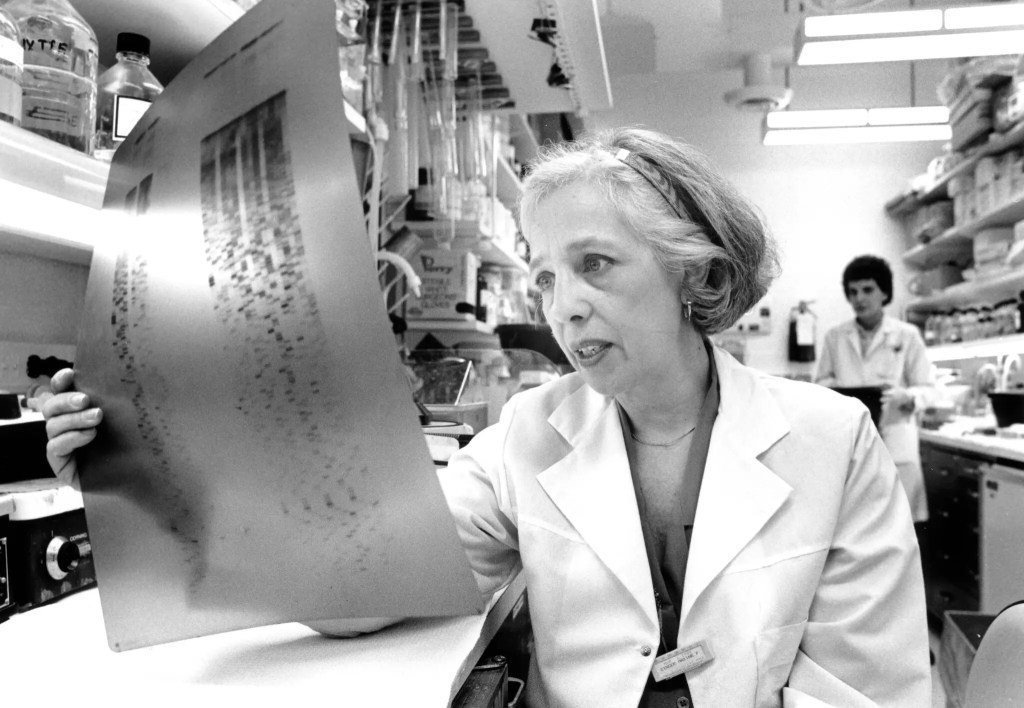
Maxine Singer was a pioneer in DNA research, inspirer of the Asilomar Conference for the self-regulation of genetic engineering, a key player in an exciting and tumultuous phase of biology, a voice for women in science. This is how the New York Times remembers her.
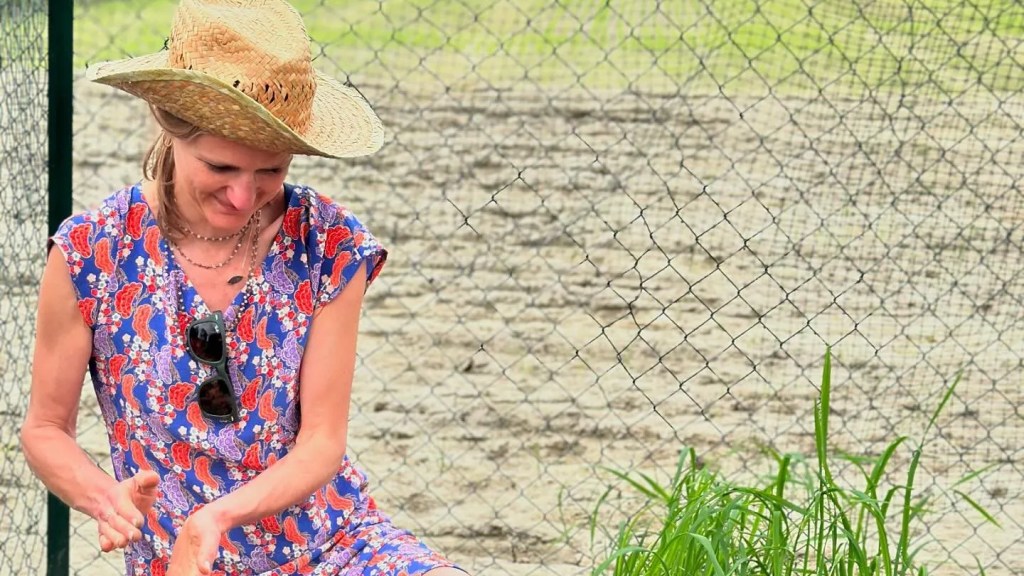
The start of the first field trial with an edited plant had been greeted with joy by Italian scientists (here is the announcement in Nature Italy). However, less than two months after planting, unknown persons vandalized the harmless rice plants, Science reported. Fortunately, all was not lost: some plants survived, and with them the hope of completing this experiment and starting new ones. We talked about this with Vittoria Brambilla, who together with Fabio Fornara developed the edited rice at the University of Milan and obtained permission to study it outdoors to see how resistant it is to a fungal infection (rice blast). Please find the interview on the Italian site Agriscienza.
When small tweaks aren’t enough and massive DNA interventions are needed, a new biotech tool inspired by a peculiar class of jumping sequences may come to the rescue.
Barbara McClintock discovered mobile genes in the 1940s, and since then these transposable elements have never ceased to amaze.

This year Italy authorized the first field trial with an edited plant, a rice variety modified to resist a fungus. The trial was vandalized, but enough plants were saved to continue with reduced goals. Now the Italian Parliament should confirm the regulatory window that made the application possible for next year as well. No experimentation can run out after just one year, and there are many more plants developed in Italy with the New Genomic Techniques that deserve to be tested in the field. This is why the Luca Coscioni Association for Freedom of Scientific Research is collecting signatures and addressing the Parliament. I have signed, you can do so too at this link.
Uditi Saraf died before receiving treatment, but efforts launched for her could help spell a happy ending for other patients awaiting advanced life-saving therapies

Familial encephalopathy with neuroserpin inclusion bodies is a rare neurodegenerative disease with no cure due to the accumulation of toxic proteins in the brain. Depending on the specific mutation, the age of onset can vary greatly. In Uditi Saraf’s case, the first symptoms started early, at age 9. As she worsened, her parents decided to have her genome sequenced, identifying the genetic defect and diagnosing the condition. Their race against time to try to save their daughter was chronicled in an article in Nature, which also offers a glimpse into India’s efforts to make genomic treatments more accessible (see also Nature Biotechnology on gene and cell therapies in the Global South).
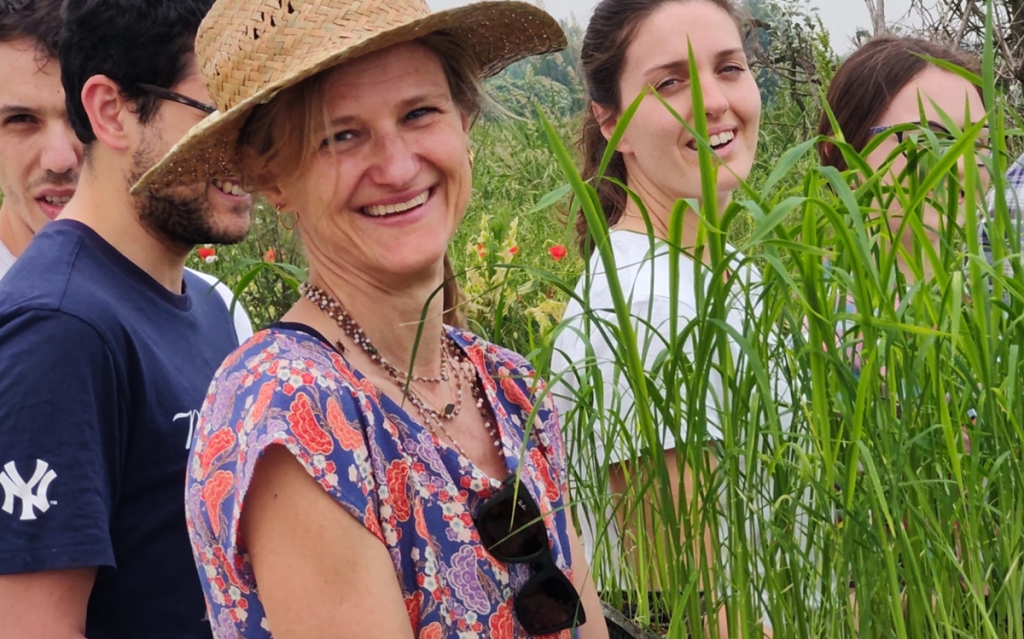
Having attended the festive launch of the first field trial of a CRISPR plant developed in Italy on May 13, we share the dismay of the scientists behind the project – Vittoria Brambilla and Fabio Fornara of the State University of Milan – over the destruction tonight by unknown ecoterrorists of the harmless seedlings, which represented hope for sustainable agriculture and innovative research in our country. The official press release follows. Here are a few links for further reading.
Continue reading
Nature Biotechnology devoted an editorial to the positive contribution CRISPR can make to the democratization of agricultural biotechnology. The hope is that, without the burden of overregulation, even public institutes and small biotech companies can bring useful products from the lab to the fields. Gene editing without the introduction of “trans” sequences from other species can be given the suffix “cis,” hence the title of the article, Cis-editing for all.
Continue reading
Specialists around the world await updates from China on the first man to receive a gene-edited pig liver. In the meantime, the last pig kidney transplanted in the United States has already stopped working and been removed, returning the patient to dialysis. And before her, three other U.S. patients had survived only a few weeks after surgery involving either heart or kidney. However, it would be wrong to conclude that xenotransplantations are falling short of expectations: the individual interventions authorized under compassionate care have taught physicians and researchers useful lessons ahead of the first clinical trials that the Food and Drug Administration may authorize in the coming years. Let’s keep our fingers crossed as we wait for the well-deserved happy ending.
More than a decade after its discovery-invention by Jennifer Doudna and Emmanuelle Charpentier, interest in CRISPR continues to remain remarkably high, judging by how many times this word is searched on Google (credit @datadynamix_). To navigate the timeline, see the most important dates below.
 CRISPeR FRENZY