Two years after Casgevy received commercial approval, only around sixty people with sickle cell disease or thalassemia have been able to benefit from it, due to a technical hurdle that the next generation of treatments will attempt to overcome
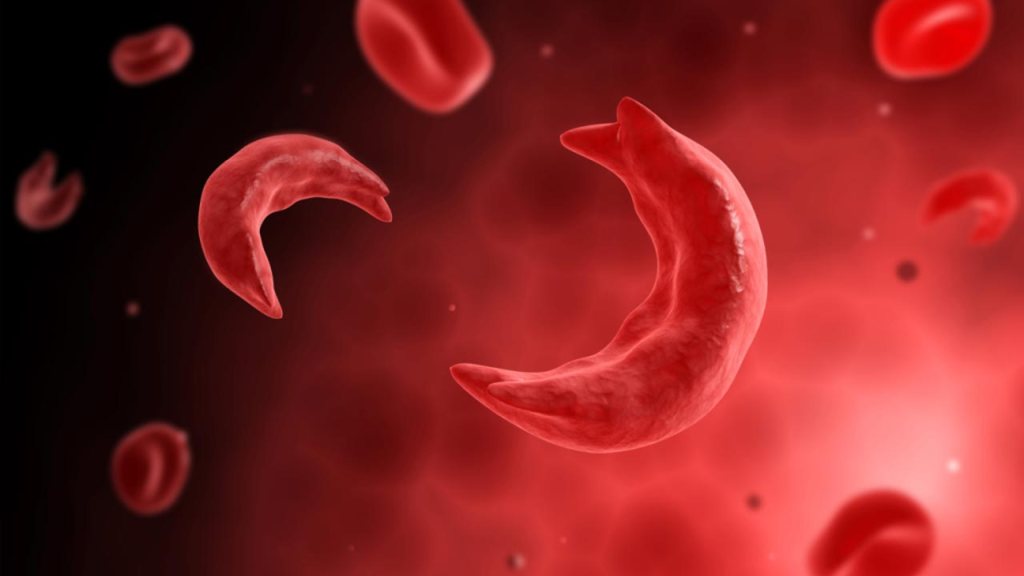
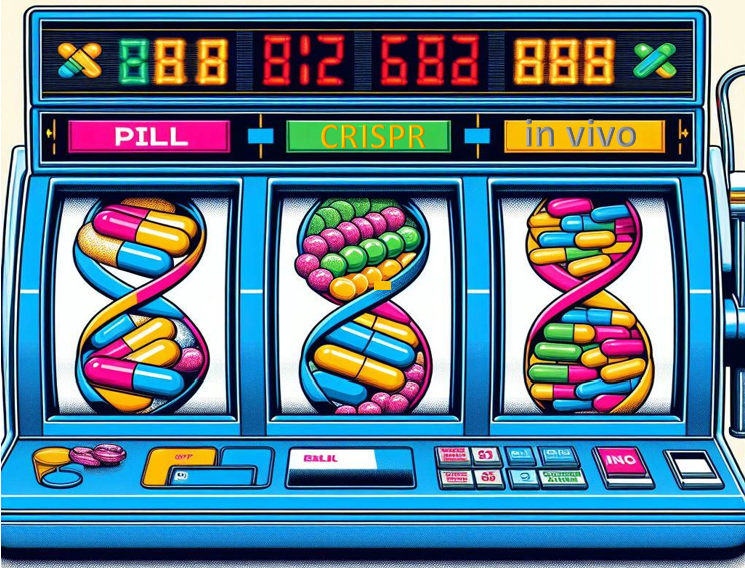
Not only sickle cell anemia, now thalassemia as well. On January 16, the Food and Drug Administration completed the approval process for the second type of hemoglobinopathy too, while the European Medicines Agency is expected to give the green light in the coming months. It took just over a decade to go from the invention of the Cas9 genetic scissors to the first approved treatment, and the excitement over the milestone achieved in record time is more than justified. Yet an article in MIT Technology Review has already turned the spotlight on the next challenges. The title is, “Vertex developed a CRISPR cure. I’ts already on the hunt for something better”. Gentler conditioning for ex vivo gene editing, new vectors for in vivo delivery, and maybe even a pill mimicking the Casgevy mechanism without modifying DNA. This is how CRISPR researchers try to out-innovate themselves.
In the story from the Bible King Solomon ruled between two women who both claimed to be the mother of a child. In the CRISPR saga the contention is between biotech companies over foundational patents, and the next crucial episode will unveil the consequences for the first CRISPR therapy, Casgevy.
Rodger Novak is the president of CRISPR Therapeutics, a company he co-founded with Emmanuelle Charpentier in 2013. Jennifer Doudna was invited to join but declined.
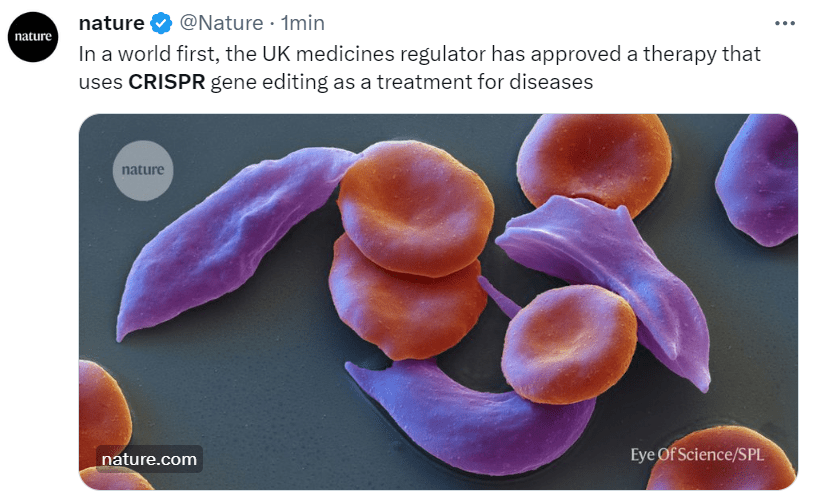
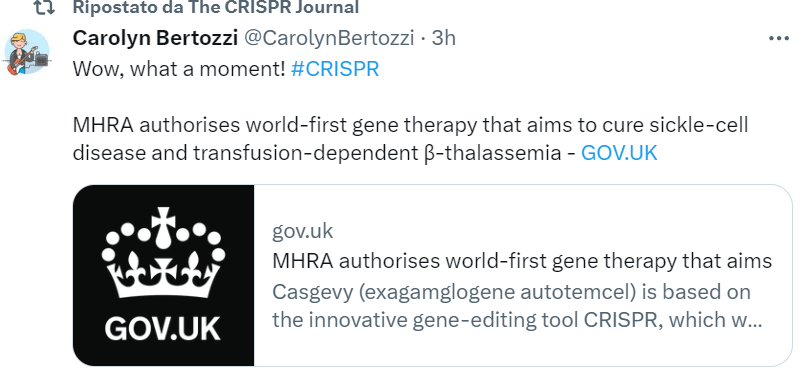
The road from clinical trials to regulatory green light now appears to be downhill for the treatment for sickle cell anemia developed by CRISPR Therapeutics, the company co-founded by Emmanuelle Charpentier. We knew it as CTX001 but it has changed its name to exa-cel (which stands for exagamglogene autotemcel). It was one of the first CRISPR-based gene therapies to enter clinical trials, in 2019. It changed the lives of Victoria Gray and dozens of sickle cell anemia and thalassemia patients enrolled in several countries. Now it also leads the way in the late stage of the regulatory process, both in Europe and the United States, and could come to market first, in 2023. For more information see the press-release by Vertex, that collaborates at exa-cel manufacturing, regulatory and commercialization.






 CRISPeR FRENZY