Gene editing’s new bet on PKU

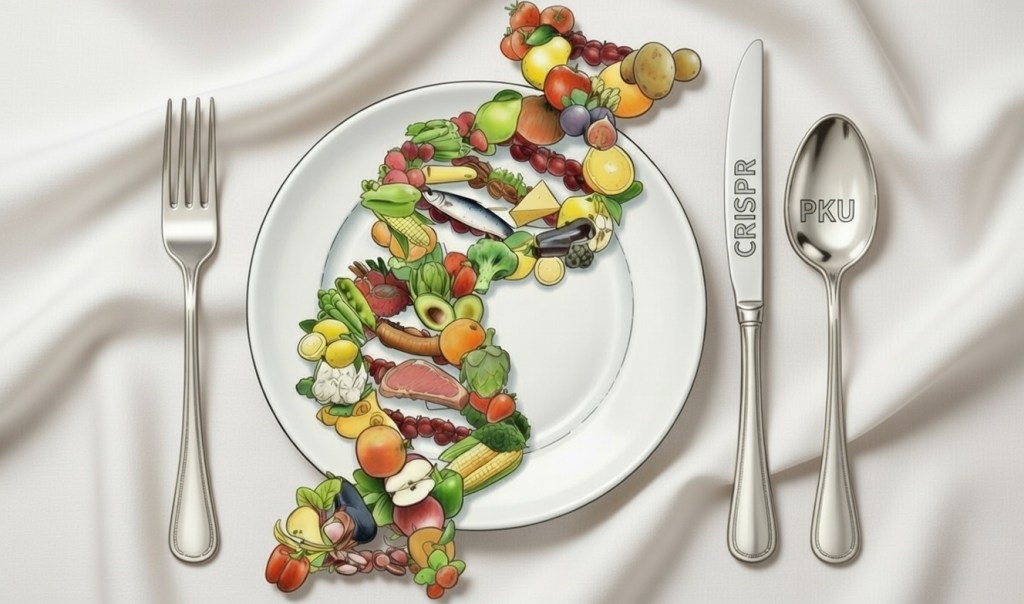
Jennifer Doudna and Fyodor Urnov have founded a company that will take on the challenge of editing rare diseases, starting with phenylketonuria.

The problem is well known: many diseases are theoretically treatable by correcting the corresponding genetic defects with the help of CRISPR tools, but doing so risks being difficult or even impossible because of regulatory rigidity and economic unsustainability. The case of the first newborn treated with a bespoke therapy developed in record time (KJ Muldoon) was a splendid proof of principle. But it left many parents of children with rare diseases asking: when will it be our turn? At the same time, specialists have long been asking: will investors return to viewing gene editing as a profitable approach worth investing in?

Continue reading

Jennifer and Jim: Mr. DNA told by Lady CRISPR

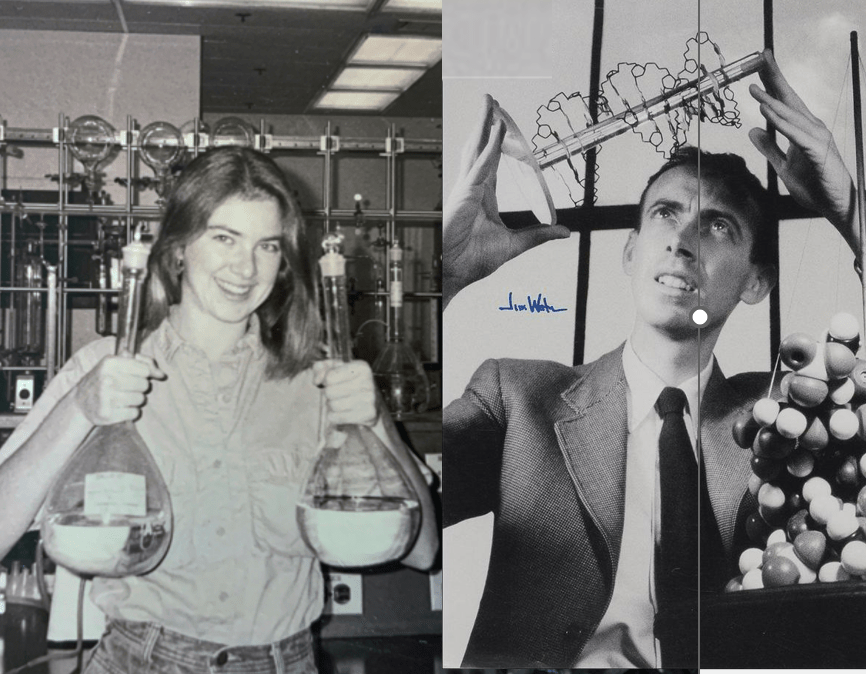
The fascination with biochemistry sparked by The Double Helix, the thrill of her first invitation to Cold Spring Harbor, and the melancholy of her last visit to the disgraced genius.

While we wait for Nathaniel Comfort’s upcoming biography of James Watson, Jennifer Doudna’s story in The Code Breaker by Walter Isaacson offers a revealing lens on the scientist whose outstanding legacy is overshadowed by his offensive claims about intelligence and race. Doudna crossed paths with Watson three times — moments that shaped both her imagination and her opinion of the man who helped discover the structure of DNA.

Continue reading

CRISPR cures for kids? A new center is born!

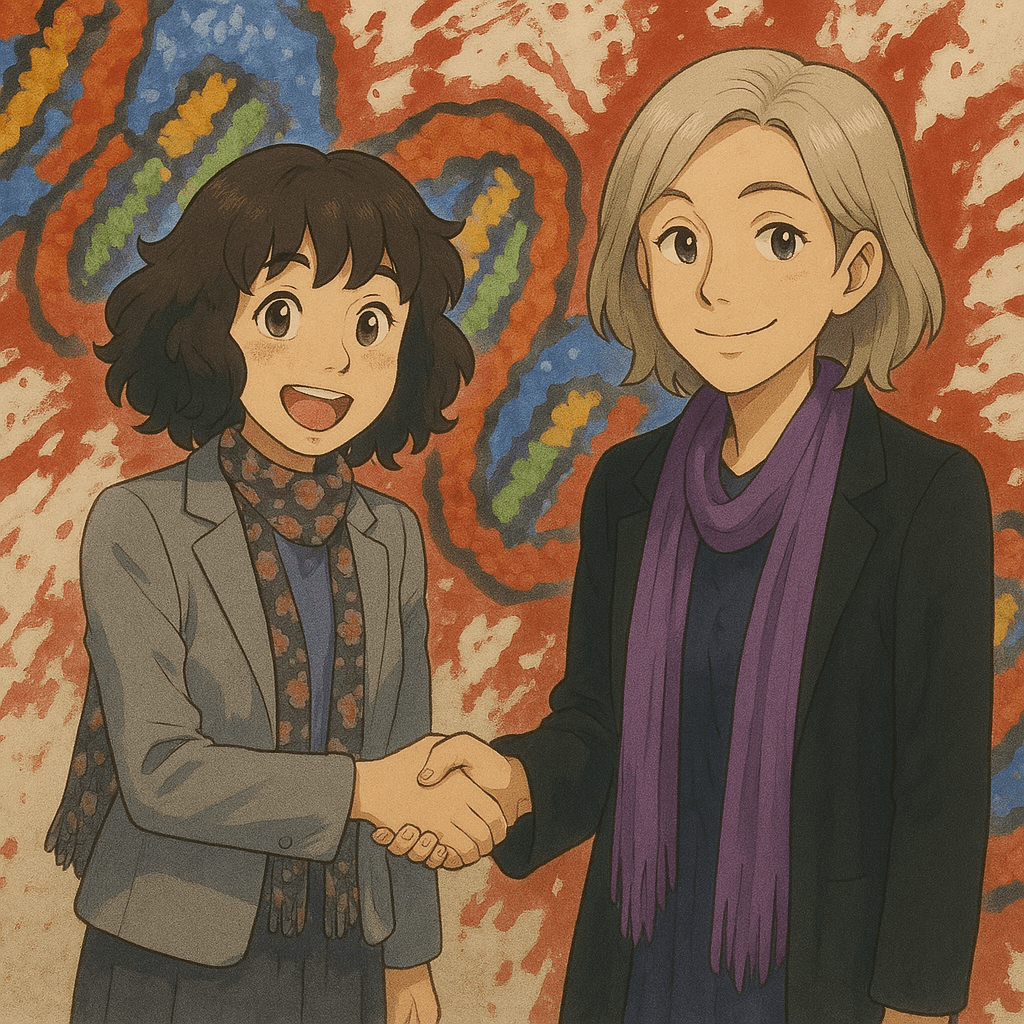
Jennifer Doudna and Priscilla Chan

Last May, the case of baby KJ made headlines: the child, suffering from a severe metabolic disorder, received a therapy developed specifically for him in just six months. The rapid improvement in his condition and his discharge from the hospital left the rare disease community with a pressing question: was this an unrepeatable one-off, or a replicable model of intervention? The right answer might be the latter, as demonstrated by the launch of the Center for Pediatric CRISPR Cures in California. This new center, to be led by Fyodor Urnov, begins with the mission of developing customized genome-editing treatments for eight young patients with congenital metabolic and immune system disorders.

Continue reading

Baby KJ is a symbol of hope — But is it replicable?

The personalized editing therapy developed at record speed for the American newborn required preliminary studies, favorable circumstances, and a heroic collective effort.

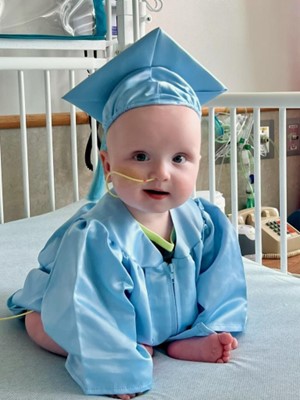
After 307 days, little KJ Muldoon was discharged from the Children’s Hospital of Philadelphia (CHOP), wearing a tiny graduation outfit complete with a blue gown and cap. Born ten months ago with a severe metabolic disorder, the baby received a genome editing therapy developed exclusively for him, and his remarkable progress has been hailed by many as the dawn of a new era in precision medicine. A month after the publication of his case in the New England Journal of Medicine, we take a closer look at how researchers managed to develop the treatment in just six months—and whether this breakthrough could be replicated for other rare disease patients in need of life-saving therapies.

Continue reading

Is RNA unwelcome? Let’s hope it’s a misunderstanding

source: Nature Biotechnology

Rumor has it that RNA has fallen out of favor politically, presumably as a key molecule for vaccines against Covid, making it an unwelcome symbol to the U.S. administration in the era of Robert F. Kennedy Jr. and Donald Trump. According to reports, U.S. researchers have been advised to specifically remove references to messenger RNA from research projects competing for public funding.

Continue reading

Why AI + CRISPR Will Define 2025

Image Credit Karen Arnott/EMBL-EBI

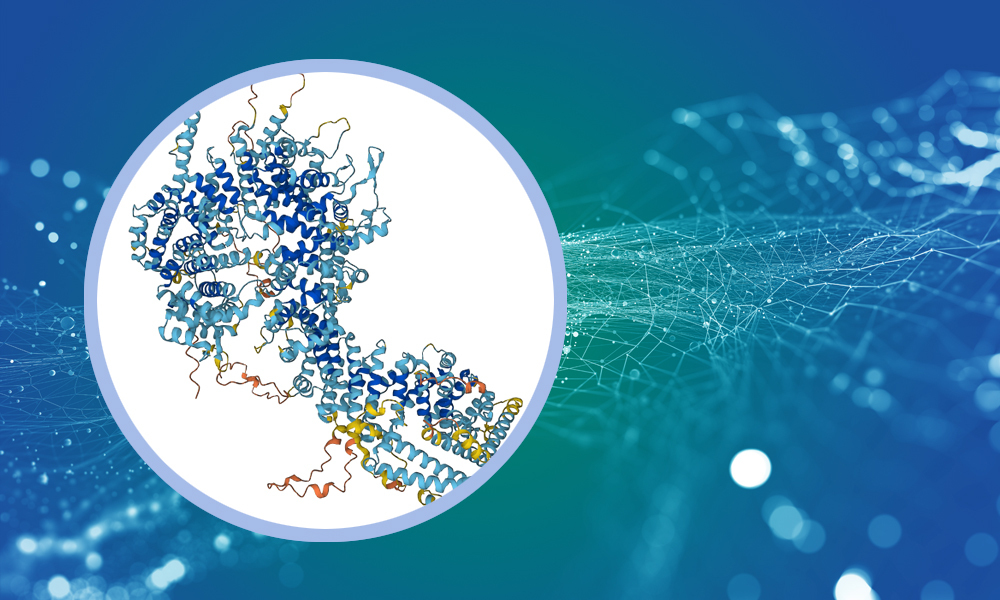
Have you read Jennifer Doudna’s article in Wired? She discusses how the combination of CRISPR and artificial intelligence could be transformational. In her lab, researchers recently used AI tools to help find “small gene-editing proteins that had been sitting undiscovered in public genome databases because we simply didn’t have the ability to crunch all of the data that we’ve collected”.

Continue reading

It takes two to think

Watson & Crick for the double helix. Doudna & Charpentier for CRISPR. Karikó & Weissman for RNA vaccines… Do two people think better than one or even many? Itai Yanai and Martin J. Lercher suggest so in Nature Biotechnology.

Continue reading

The latest twist in the battle to control CRISPR

Credit: Cal Alumni Association

Emmanuelle Charpentier and Jennifer Doudna won the Nobel Prize but not the intellectual property dispute and are now ready to give up two patents granted in Europe. The scoop once again comes from Antonio Regalado, who gained fame a few years ago for breaking the CRISPR babies scandal.

Continue reading

A must-read recommended by Doudna, Gates and…

The Italian publisher did me the crazy honor of including a quote from me on the back cover of the best book of the year (IMHO), along with quotes from CRISPR inventor Jennifer Doudna and Bill Gates. The autobiography of Katalin Karikó, the mRNA vaccine scientist, is a must-read for those who love great science and great minds. We had already blogged about her in the aftermath of the Nobel Prize.