CRISPR in Trump’s time

A wait-and-see atmosphere lingers in the biotech and pharma sector. Vice President-designate J.D. Vance recently spoke with enthusiasm on Joe Rogan’s podcast about the first CRISPR treatment to hit the market—the one for sickle cell anemia. However, there’s rising concern about RFK Jr., who could exert significant influence over health and food policies. His broad “natural = good” ideology is both philosophically and scientifically dubious, and his clear anti-GMO positions are worrisome. Listening to his conversation with anti-biotech activist Jeffrey Smith on the RFK Jr. podcast reveals a revival of the classic 1990s narrative—corporations as villains, a corrupt establishment, suppressed scientists, concealed health risks—all now repurposed to criticize CRISPR technology, which is portrayed as unreliable and uncontrollable.
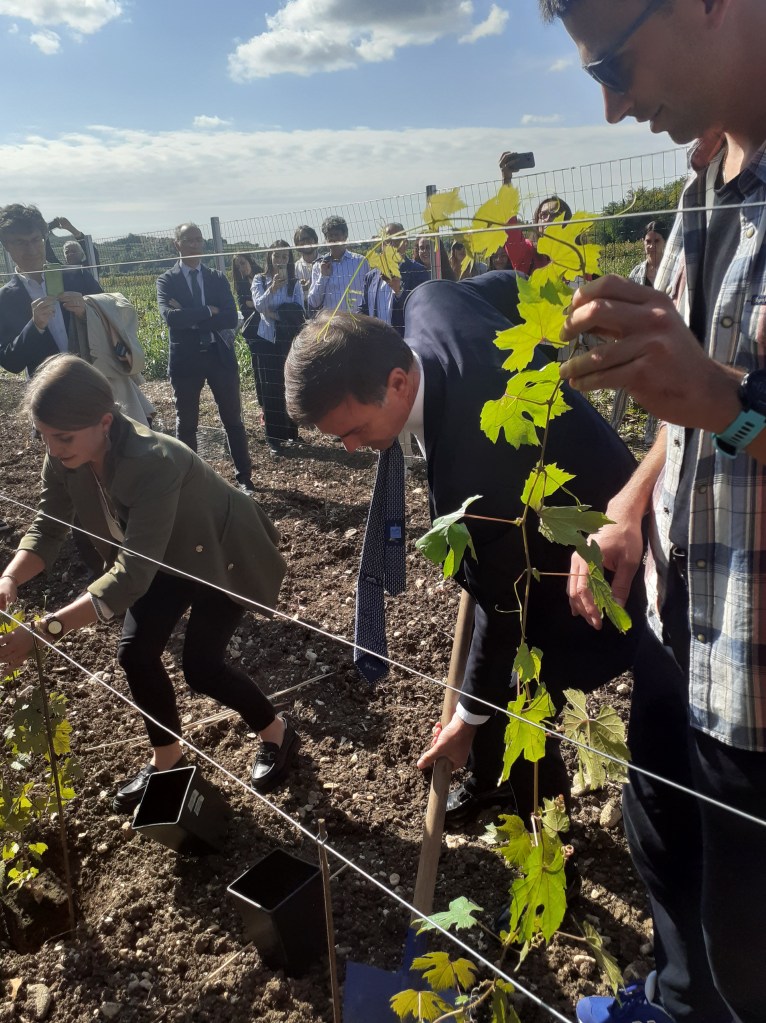
CRISPR vines make their field debut in Italy

Testing of Chardonnay edited to resist downy mildew starts today near Verona, while the prosecco variety awaits its turn in the greenhouse

The president of the influential farmers’ association Coldiretti, Ettore Prandini, formerly very hostile to GMOs, as he plants an edited vine with his own hands in the Verona experimental field on Sept. 30, 24
Continue reading

Editing down cancer risk in our favourite foods

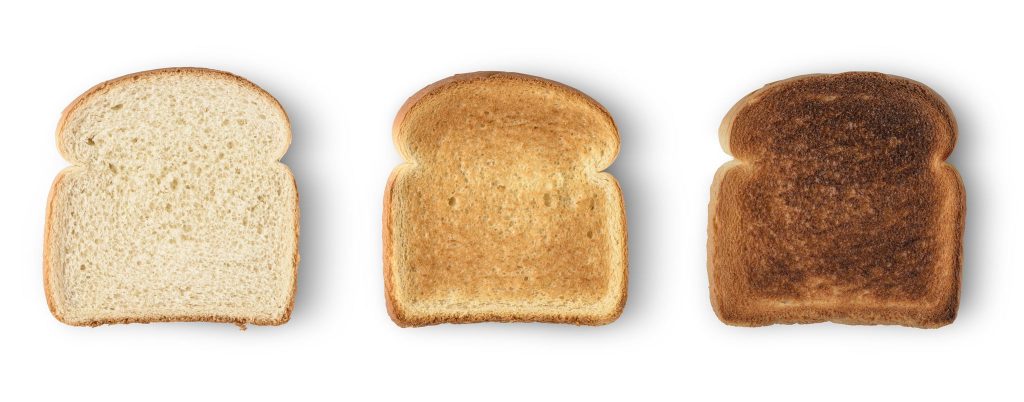
I bumped into this video of Nigel Halford brilliantly explaining what the problem is with acrylamide in our food and how he recruited CRISPR to lower its content in wheat. Acrylamide is a highly undesirable processing contaminant discovered in 2002. “It’s a big issue for the food industry because it’s carcinogenic, at least in rodents, and probably also in humans, and has also effects on development and fertility”, he says when interviewed at the Euroseeds Congress 2022. 

Continue reading

A move (and a call) to make plant editing more accessible

The Dutch town of Wageningen was already a spot on the genome-editing map for the work of the CRISPR pioneer John van der Oost. Its university now aims to inspire a worldwide change in CRISPR patents policies, by announcing that it will allow non-profit organizations to use its CRISPR technology for free for non-commercial agricultural applications.

Continue reading