The FDA charts a new route for bespoke therapies

Inspired by the Baby KJ case, the agency proposes a flexible framework allowing personalized treatments for individual patients to contribute to shared, platform-based approvals.

The announcement appeared on November 12 in the New England Journal of Medicine under a seemingly cautious title: “The FDA’s New Plausible Pathway.” Yet the article, written by two senior figures at the Food and Drug Administration, reveals vision and leadership. For once, it is worth starting from the end, which reads like a strong statement of intent: “Nearly 30 years after the sequencing of the human genome, bespoke therapies are close to reality. The FDA will work as a partner and guide in ushering these therapies to market, and our regulatory strategies will evolve to match the pace of scientific advances.”

Continue reading

Can technology replace animal testing?

New Approach Methodologies (NAMs) have a bright future ahead, but they should be seen as complementary rather than alternative to classical experimentation.

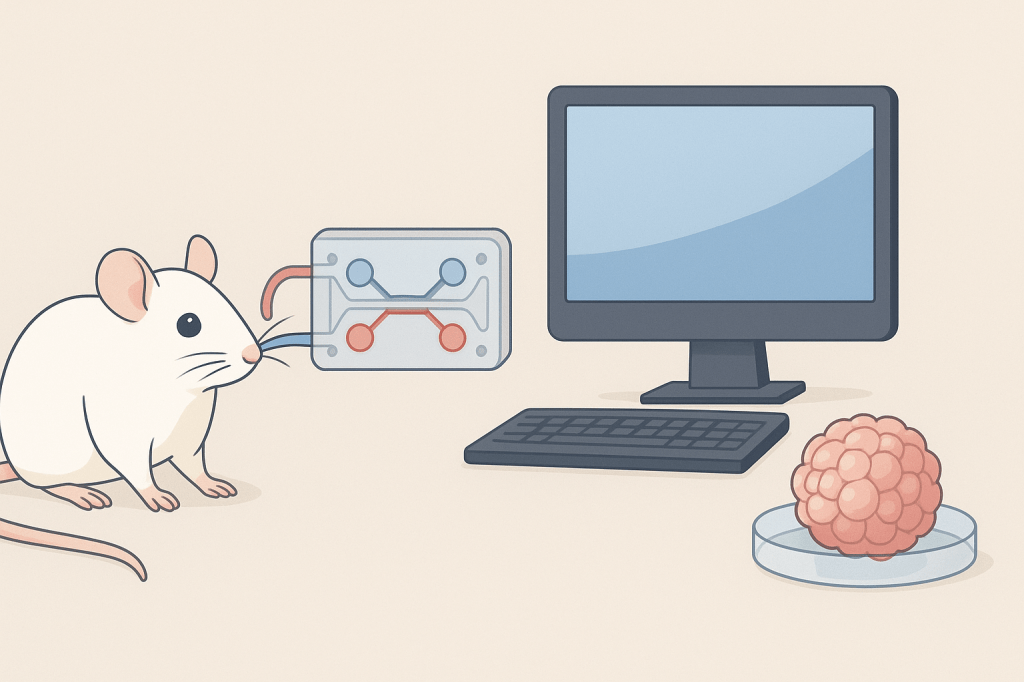
Regulatory and funding agencies in the U.S. and Europe are promoting ambitious initiatives to foster the development and adoption of advanced systems capable of testing the effects of drugs and other substances without using animal models. The hope is that biomedical research can become more ethical, safer, and cheaper. But the challenge is complex, and the requirements vary depending on the application. As a result, some voices urge a faster “transition,” while others warn that rushing the process could be risky. Recently published articles in leading scientific journals capture this polarized debate, but they also hint at a possible middle ground.

Continue reading

Baby KJ Effect: the new horizon of bespoke CRISPR therapies

The FDA is set to authorize “umbrella” clinical trials for rare diseases; the new approach will make the process faster and more sustainable by combining data from similar protocols, cutting redundant procedures, and reducing animal testing.

Continue reading

Xenotransplants Edge Closer to Reality

There is still no consensus on the best way to humanize pig organs, but recent progress has convinced the Food and Drug Administration (FDA) to greenlight the first clinical trial.

The trial will begin enrolling six participants, and could expand to 44 if early results are promising. A six-month survival after the xenotransplant will be considered a success indicator, although it’s unclear how many patients will need to reach this milestone to win the agency’s approval.

Continue reading

CRISPR pork and the challenge of animal welfare

Classic genetic modification has met the most resistance in the livestock sector, but soon, American consumers will be able to eat meat from the first gene-edited animals: pigs immune to the PRRS virus.

BBQ ribs, pulled pork, crispy bacon. In the near future, those visiting the U.S. will likely have the opportunity to taste classic American dishes in a genetically edited form. The Food and Drug Administration has, in fact, approved the first pigs whose genome has been edited using CRISPR to make them resistant to a serious viral disease: porcine reproductive and respiratory syndrome (PRRS).

Continue reading

Better than Casgevy? Three paths to explore

Credit: Bing Image Creator

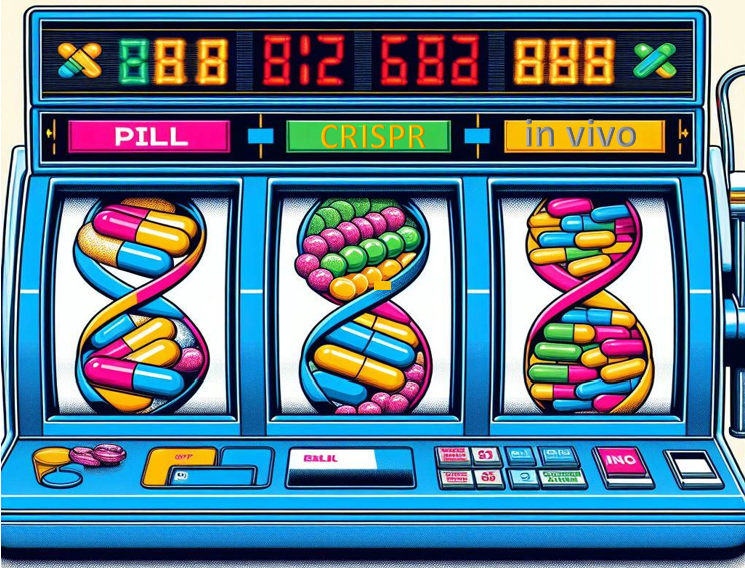
Not only sickle cell anemia, now thalassemia as well. On January 16, the Food and Drug Administration completed the approval process for the second type of hemoglobinopathy too, while the European Medicines Agency is expected to give the green light in the coming months. It took just over a decade to go from the invention of the Cas9 genetic scissors to the first approved treatment, and the excitement over the milestone achieved in record time is more than justified. Yet an article in MIT Technology Review has already turned the spotlight on the next challenges. The title is, “Vertex developed a CRISPR cure. I’ts already on the hunt for something better”. Gentler conditioning for ex vivo gene editing, new vectors for in vivo delivery, and maybe even a pill mimicking the Casgevy mechanism without modifying DNA. This is how CRISPR researchers try to out-innovate themselves.

Salomon’s patent dilemma and the first CRISPR therapy

In the story from the Bible King Solomon ruled between two women who both claimed to be the mother of a child. In the CRISPR saga the contention is between biotech companies over foundational patents, and the next crucial episode will unveil the consequences for the first CRISPR therapy, Casgevy.

Continue reading