MicroRNAs won Victor Ambros and Gary Ruvkun the 2024 Nobel Prize in Medicine. Thomas Cech (Nobel Laureate for the discovery of catalytic RNA) has found a fun way to explain how they work. His book, which I reviewed a few weeks ago, is a mine of insights and information. Here is a small excerpt.
Sammy Basso, 28, the longest-living person with progeria and a brilliant mind, has passed away. He was a biologist passionate about genome editing, and we’d like to remember him through this dialogue with David Liu.
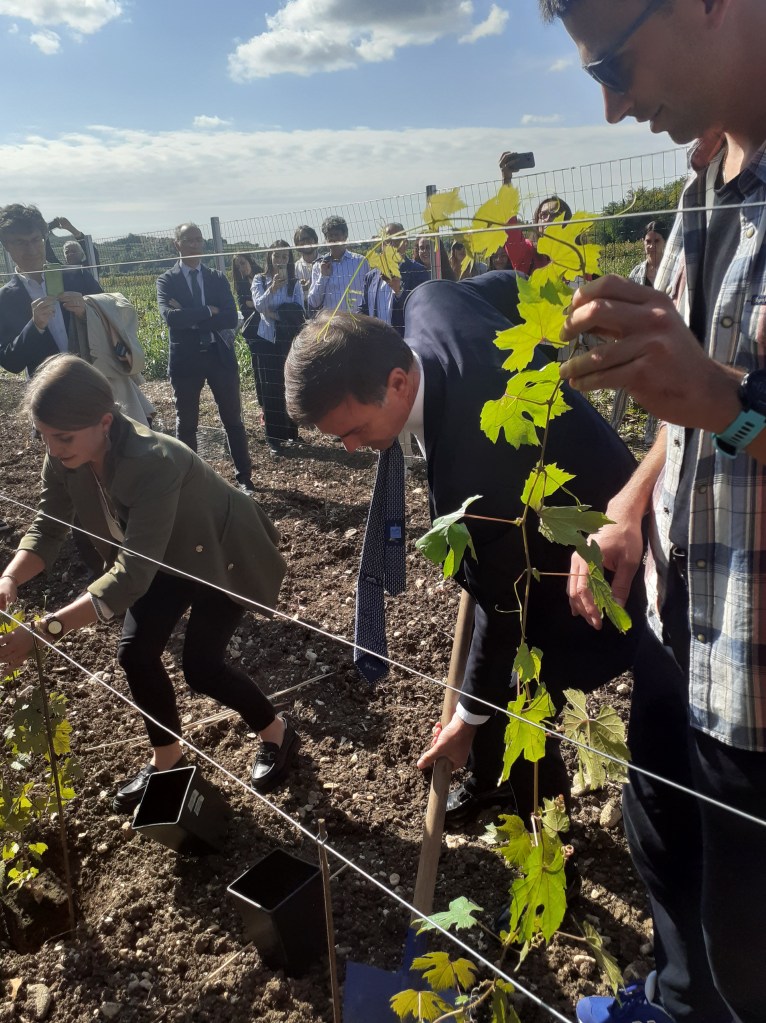
Testing of Chardonnay edited to resist downy mildew starts today near Verona, while the prosecco variety awaits its turn in the greenhouse
The president of the influential farmers’ association Coldiretti, Ettore Prandini, formerly very hostile to GMOs, as he plants an edited vine with his own hands in the Verona experimental field on Sept. 30, 24Continue reading →
Forget Odin, the controversial kit that was being sold online by controversial “biohacker” Josiah Zayner (getting people to play around with developing antibiotic-resistant bacteria is certainly not a good idea). At Stanford University they have developed a CRISPRkit for cell-free in vitro experiments that is easy and safe because the target is a harmless pigment. And the great thing is that it costs less than an American coffee (two dollars).
RNA interference, mRNA vaccines, RNA-guided editing. These are just some of the fields of biomedical research that have exploded in recent years and brought RNA out of the projected shadow of the most famous nucleic acid: DNA. Credit for the ongoing scientific and technological revolution goes to researchers such as Thomas Cech, who have been able to look beyond the double helix and, in many cases, have earned Nobel prizes (the latest being Katalin Karikό for the anti-Covid vaccine). But we also owe a nice gratitude to the strange critters who first exhibited some unexpected phenomena that later became of universal interest.
Four intense days of talks and discussions on the present and future of agricultural genetics. We will be there at the round table “Social impact of plant biotechnologies: challenges and opportunities” (12 September afternoon). See the full program here.
We repost a video produced by the Innovative Genomics Institute on an ambitious line of research: editing the genomes of methane-producing microbes in cows to fight climate change
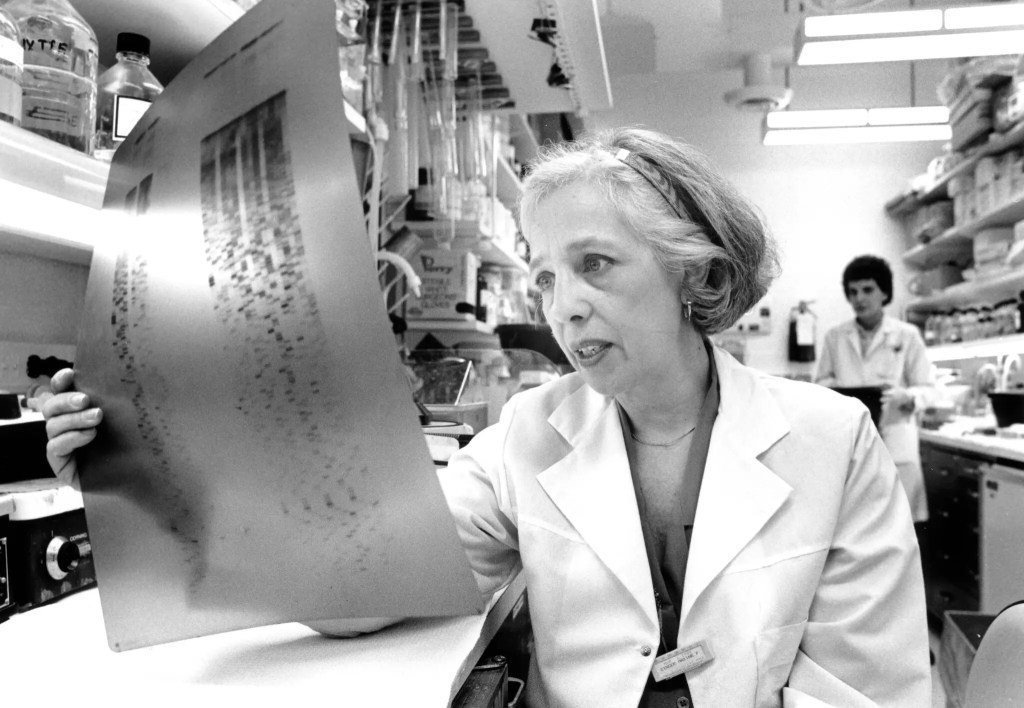
Maxine Singer was a pioneer in DNA research, inspirer of the Asilomar Conference for the self-regulation of genetic engineering, a key player in an exciting and tumultuous phase of biology, a voice for women in science. This is how the New York Times remembers her.
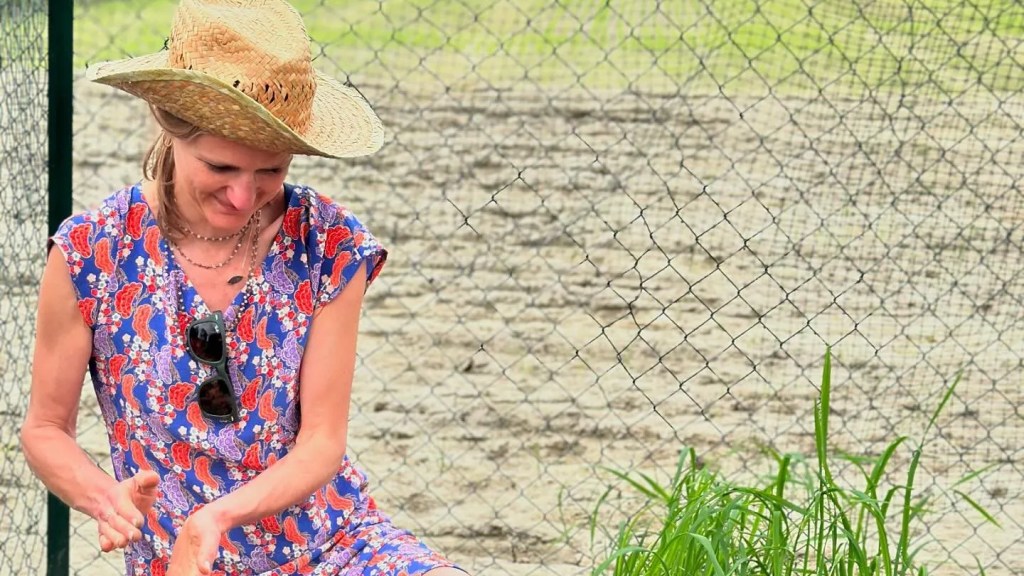
Vittoria Brambilla starting the first CRISPR field trial in Italy in May 2024 (Credit ALC)
The start of the first field trial with an edited plant had been greeted with joy by Italian scientists (here is the announcement in Nature Italy). However, less than two months after planting, unknown persons vandalized the harmless rice plants, Sciencereported. Fortunately, all was not lost: some plants survived, and with them the hope of completing this experiment and starting new ones. We talked about this with Vittoria Brambilla, who together with Fabio Fornara developed the edited rice at the University of Milan and obtained permission to study it outdoors to see how resistant it is to a fungal infection (rice blast). Please find the interview on the Italian site Agriscienza.




 CRISPeR FRENZY