Turn one gene up, another down. Enhancing the photosynthetic capacity of plants will likely require learning how to conduct a complex orchestra of genes. Achieving this could help sequester at least part of the carbon dioxide emissions driving climate change, while also increasing crop yields.
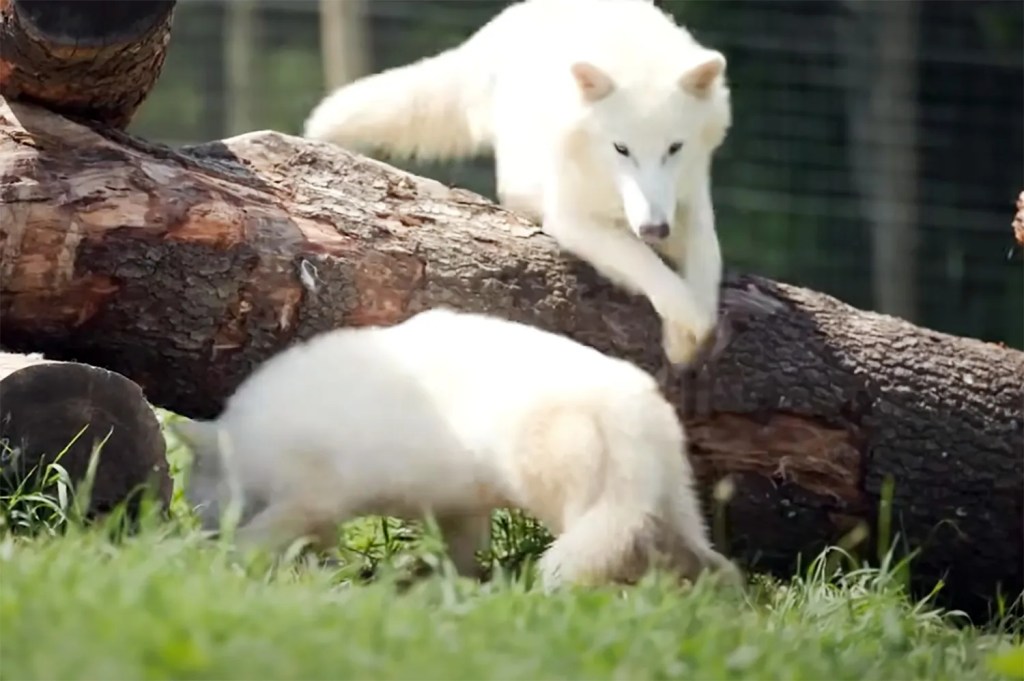
You remember, right? They were created through gene editing. Almost immediately, the debate kicked off: is this really de-extinction? Are they really dire wolves? Of course, dire wolves are fictional creatures, while “de-extinction” is a neologism that can be interpreted more or less strictly. To avoid getting stuck in a semantic argument, let’s just say this was a case of recovering selected genetic traits from the genome of an extinct species that later inspired a sci-fi series. Setting the terminology aside, a year on from the New Yorker and Time articles, the real question is: how are these very special pups doing?
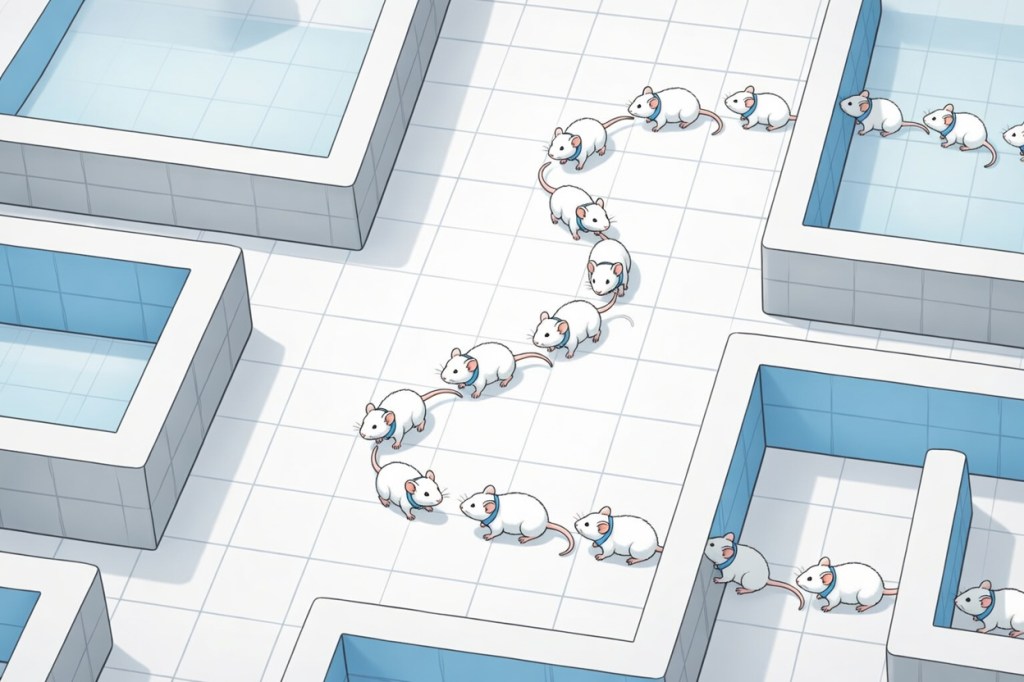
A team led by Teruhiko Wakayama at the University of Yamanashi generated more than 1,200 cloned mice from a single original donor, across over 30,000 cloning attempts, using the classic technique that produced Dolly the sheep: nuclear transfer (please see their paper in Nature Communications). Up to the 25th generation, things proceeded largely smoothly: the clones were normal, lived as long as conventionally bred mice, and the line appeared indefinitely sustainable. But from the 27th generation onward, the success rate began to decline. By the 58th generation it had collapsed, and the few pups that were born died shortly after birth, despite showing no obvious abnormalities. A discovery that may prompt a reassessment of certain lines of research involving genome editing.
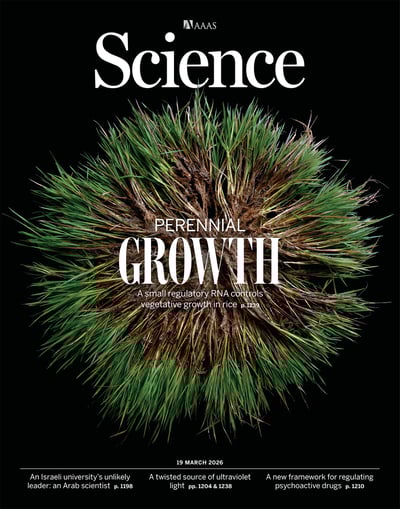
Most of the plants that form the basis of our diet die after completing a single life cycle, which is why they must be sown each year. However, some wild relatives of rice can survive for multiple cycles and are therefore described as perennial. The good news is that a Chinese research group has identified a genetic locus encoding a key regulatory element (a microRNA) that can enable vegetative regrowth. Through breeding, Bingxin Dai and colleagues have introduced this and other useful traits into cultivated rice, developing lines capable of growing for more than one year. This rice is not yet perfect; in particular, further refinement will be needed to achieve full fertility. Nevertheless, the goal of perennialism is now a step closer. There is hope that crops like these will support more sustainable agriculture in the future, reducing soil loss caused by ploughing, as well as lowering energy use and reliance on agrochemicals.
It had never happened before that a company decided to submit a commercial authorization request for a therapy tested on only two people.
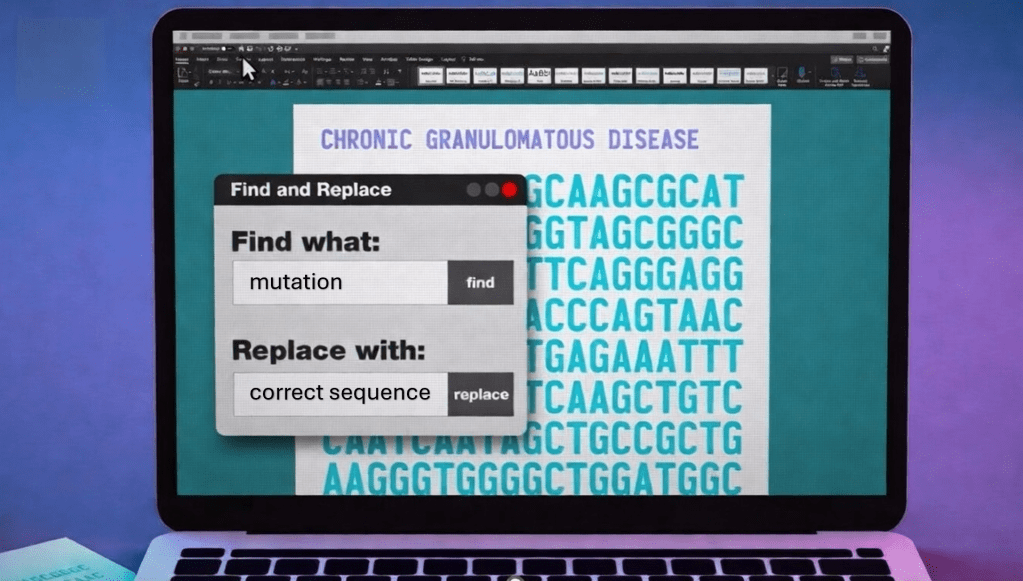
We do not know the name of the teenager from Vancouver who, a year ago, became the first person in the world to receive a treatment based on a genetic correction approach similar to Word’s “find and replace.” What we do know is that before becoming a pioneer patient, even a common cold represented a serious threat to him. The father of the technique known as prime editing, David Liu, now describes him as “healthy, stable, and living with a functioning immune system.” Seeing him on skis in the the snow in the photo published by the Canadian Institutes of Health, is worth more than many words. The American National Institutes of Health, for their part, confirm that the second patient treated is also doing well.
Petros Giannikopoulos, director of the clinical laboratory at the Innovative Genomics Institute at the University of California, Berkeley, explains in 101 seconds the bespoke treatment developed in record time for a very special patient, whom we have mentioned many times here on CRISPeR Frenzy: Baby KJ. The video was shot by Sean Patrick Farrell.
A little more patience. The European Parliament’s final vote, originally scheduled for March, has been postponed to late April, but the finish line is in sight. We should finally have rules that distinguish true transgenic plants (containing foreign DNA) from edited plants that do not contain extra genes and are indistinguishable from traditional breeding programs.
Credit: Un. of Wisconsin-Madison Crop Innovation Center
In a book published several years ago titled The Botany of Desire, Michael Pollan devoted a chapter to the evolution of cannabis. When our ancestors began cultivating hemp in the Neolithic period, they were interested in its fibers, but they were soon won over by its special effects. Perhaps it wasn’t we who domesticated cannabis, it may have been cannabis that domesticated us. The question is: why did evolution favor the production of psychoactive substances? Perhaps cannabinoids help the plant protect itself from radiation damage or pests. Or maybe, Pollan suggests, they enabled hemp to win the favor of human beings, who then actively cultivated it. Now evolution continues in labs, also with the help of gene editing, including efforts to eliminate those psychoactive substances from varieties used for therapeutic purposes. The latest news is that two new varieties have recently been deregulated in the United States.
Two years after Casgevy received commercial approval, only around sixty people with sickle cell disease or thalassemia have been able to benefit from it, due to a technical hurdle that the next generation of treatments will attempt to overcome