A new atlas for plant genomes

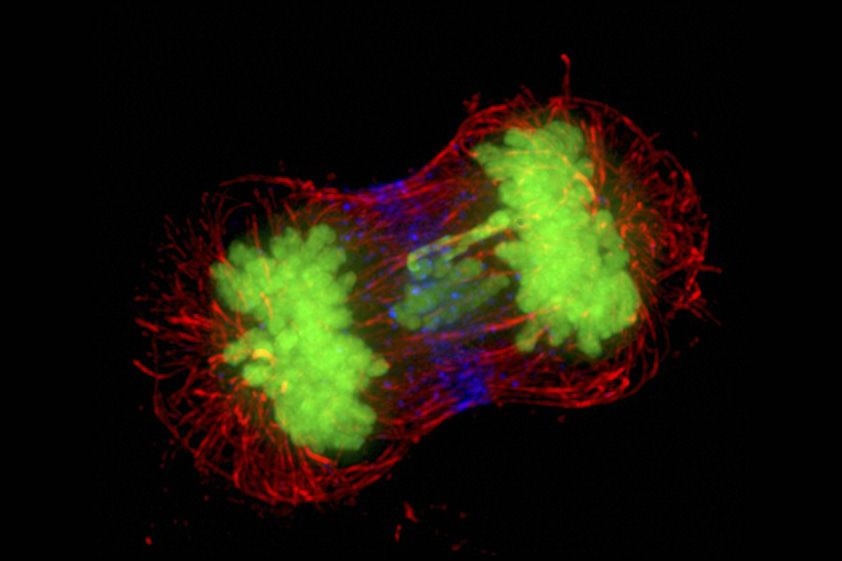
As we become increasingly able to reshape genomes, the need to organize information in efficient and accessible ways continues to grow. More than a thousand plant genomes have now been sequenced, with the pace accelerating, so it is good news that the plant genetics community can rely on PubPlant, a new interactive, updatable, and freely accessible atlas introduced in Frontiers in Plant Science. The magazine The Scientist has written about it, likening PubPlant to a kind of Google Maps for plant DNA, designed to help researchers more quickly pinpoint key genomic regions linked to traits such as disease resistance, nutritional quality, or climate adaptation. (Image Credit: Salk Institute-USDA)

Playing with Chromosomes: CRISPR’s New Frontier

Humans have 23 pairs of chromosomes. The record-holder among animals (a butterfly called Polyommatus atlantica) can boast 229. Some plants have even more, but only because their genomes have undergone multiple rounds of duplication. We’re talking about chromosomes, of course. Their number is characteristic of each species and still shrouded in mystery. Why that number? And what would happen if we changed it?
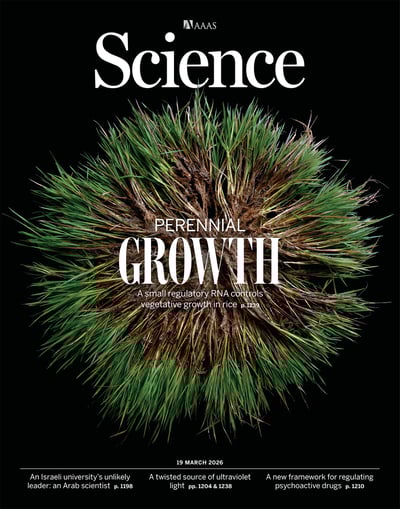
In animals, the effects tend to be detrimental: mice with fused chromosomes, for instance, show abnormalities in behavior, growth, and fertility. Plants, however, appear surprisingly flexible, as demonstrated by a new experiment using CRISPR, recently published in Science.

Continue reading

My journey to Seville, where tomorrow’s sunflowers grow

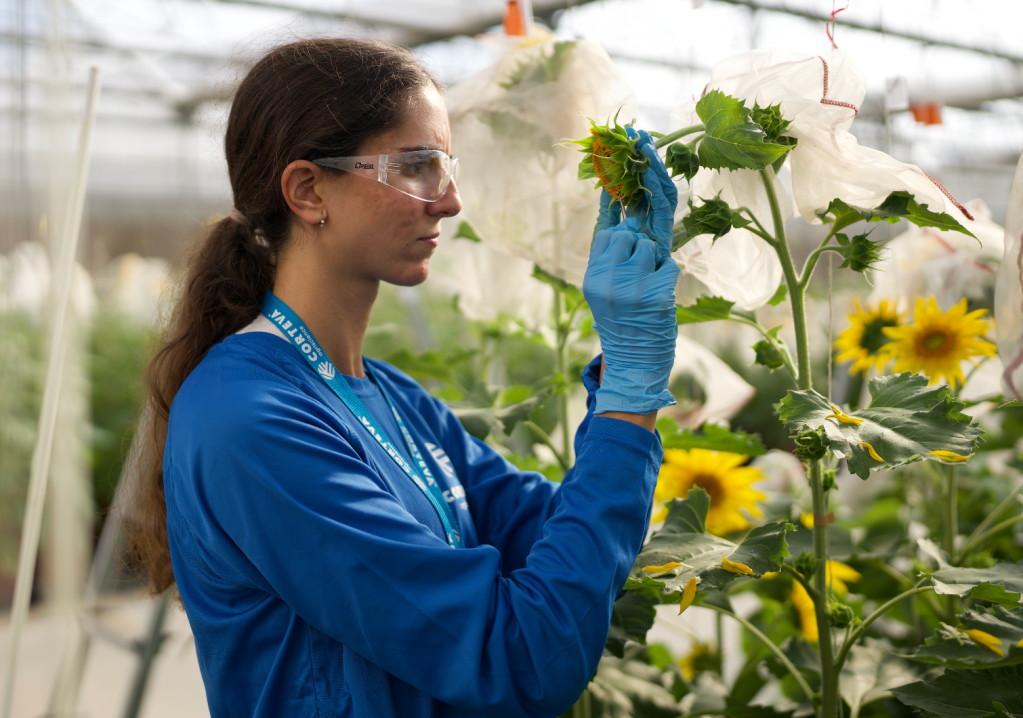
Anyone who has ever stood beside a sunflower knows the quiet astonishment of being matched, petal for head, by a flower. Now imagine weaving your way through tens of thousands of stems at eye level, each one tethered to the transparent ceiling by a white cord, as if suspended between earth and sky. Overhead stretches a vision in perfect symmetry: thousands of threads rising in parallel, anchoring a forest of blossoms veiled like brides at the altar, their vivid yellow only just shimmering through the gauze. It could be a contemporary art installation, but this is the greenhouse of the world’s most advanced sunflower research center. We are not at the Venice Biennale nor at Documenta in Kassel, but just outside Seville, at the Centro Tecnológico de Investigación de La Rinconada.

Continue reading

CRISPR news from the world

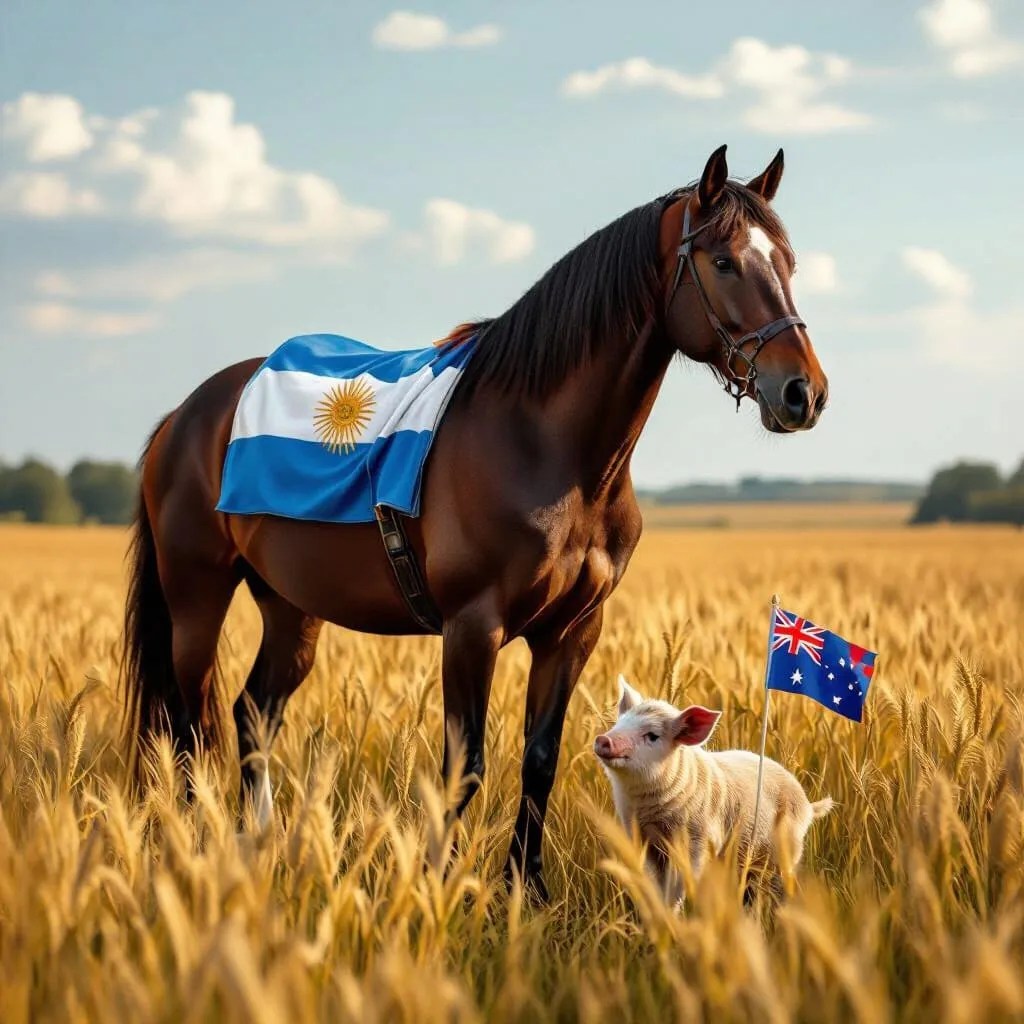
A selection of news we missed during August. Reuters reports on the controversy surrounding horses edited by Kheiron Biotech to enhance their muscles. In Argentina, veterinary reproductive technologies are cutting-edge, and the use of cloning in horse breeding is accepted. Still, for now, genetically edited animals are not allowed to compete in polo.

Continue reading

Italian Food for Thought

Food for Thought is a coalition of 18 Italian associations in the agrifood sector, established in 2017 to promote innovation in agriculture. Today, nearly eight years after the first manifesto, a new one has been presented to address the challenges of both the present and the future, including the climate crisis, geopolitical tensions, and changing consumption patterns.
The event was held yesterday in Rome at the initiative of Senator Bartolomeo Amidei, as part of the activities of the Parliamentary Intergroup on Made in Italy and Innovation.
Among the key points is the inclusion of New Genomic Techniques — a clear sign that there is widespread awareness within the Italian productive sector of the importance of genetic improvement, and that there are voices in the national Parliament willing to advocate for “innovative and sustainable agriculture.”

Will edited plants be patentable in EU?

A year after the European Parliament voted to ban patents, EU countries still seek a compromise on NGT regulation

The revision of the regulatory framework for genetically modified plants currently underway in Europe aims to keep pace with technological advances and support the development of sustainable agriculture. The scientific community, the seed industry, and major farmers’ associations view the overall framework positively, but the devil is still in the details.

Continue reading

Mendel’s 7 genes

Can you never remember all seven of Snow White’s dwarfs? Then try the seven traits studied in peas by Mendel. Smooth or wrinkled seeds, yellow or green seeds, white or purple flowers… I used to stop there until I read about the latest study in Nature. Joining forces, the John Innes Centre in Norwich, UK, and the Institute of Agricultural Genomics in Shenzhen, China, have identified Mendel’s remaining genes—solving a conundrum in the history of science and laying the groundwork for a leap forward in the genetic improvement of a food crop that is nutritious but too often overlooked by geneticists.

Continue reading

Agrobiodiversity, pangenomes and the future of food

Comparing commonly grown species and native varieties is a winning strategy for making the former more resilient and the latter more productive.

You all know tomatoes and potatoes. African eggplants, maybe not—but when ripe, they turn red just like tomatoes. The lulo, for its part, is an orange fruit with citrusy notes, which is why in Ecuador it’s called naranjilla, or “little orange.” The Andean pepino, on the other hand, has juicy flesh that makes it resemble a melon. Their sizes, colors, and flavors may vary, but all of these plants belong to the same taxonomic group. In fact, they represent some of the species sequenced to produce a remarkable collection of related genomes—remarkable because it aims to span the entire Solanum genus.

Continue reading

Agricultural Sciences: Yesterday, Today, and Tomorrow

Charles Valentine Memorial Lecture, 20 Nov. 2024 (C.S. Prakash, Lisa Ainsworth, Anastasia Bodnar, and Kate Tully)

I want to highlight a lecture recently given by one of the most influential scientists in the international debate on GMOs and gene editing in agriculture. Born in India, C. S. Prakash lives and works in the U.S. and has been elected a fellow of the American Association for the Advancement of Science (AAAS). His lecture, delivered at the AAAS Center for Scientific Evidence in Public Issues, traces the progress made over the past sixty years in the field of global food security—i.e., meeting the growing demand for food from the world’s population.

Continue reading

Eco-vandals target gene-edited Chardonnay in Italy

On the night of February 12-13, unknown vandals broke into a small experimental vineyard at the University of Verona in northern Italy to uproot Chardonnay vines that had been gene-edited to resist a fungal infection. Last September, the launch of this field trial was celebrated by researchers, producers, and prominent politicians—including Agriculture Minister Francesco Lollobrigida—because it was a point of pride for the country (the first field with gene-edited vines in Europe) and a step toward healthier, more sustainable viticulture, less reliant on fungicides. Anti-science belligerence strikes again: two experimental fields have been launched in Italy, and both have been attacked.

Continue reading