Rumor has it that RNA has fallen out of favor politically, presumably as a key molecule for vaccines against Covid, making it an unwelcome symbol to the U.S. administration in the era of Robert F. Kennedy Jr. and Donald Trump. According to reports, U.S. researchers have been advised to specifically remove references to messenger RNA from research projects competing for public funding.
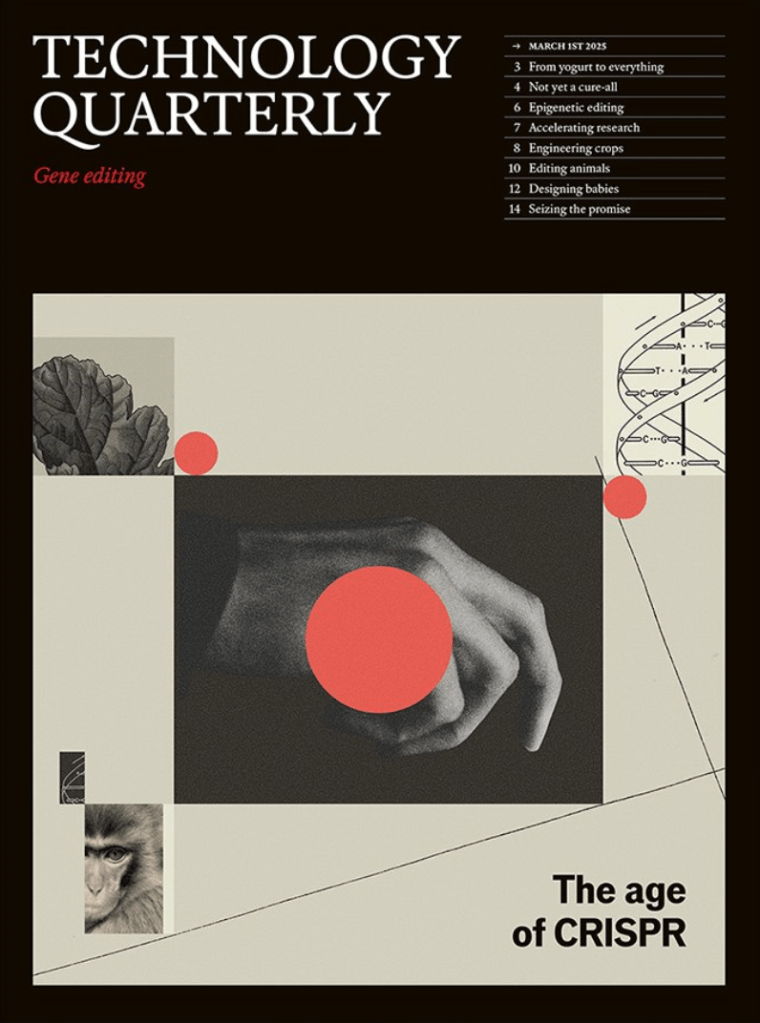
At first glance, it looks like the cover of a design magazine, but it’s actually the technology supplement published by The Economist in March. Titled ‘The Age of CRISPR,’ it features eight articles exploring the most cutting-edge areas of genome editing—gene therapies, xenotransplantation, epigenetic editing, gene drives, gene-edited plants, and much more. It doesn’t shy away from the challenges, from companies struggling to stay afloat to regulatory hurdles. But the tone is measured: the era of sensationalism is over, yet CRISPR is here to stay.
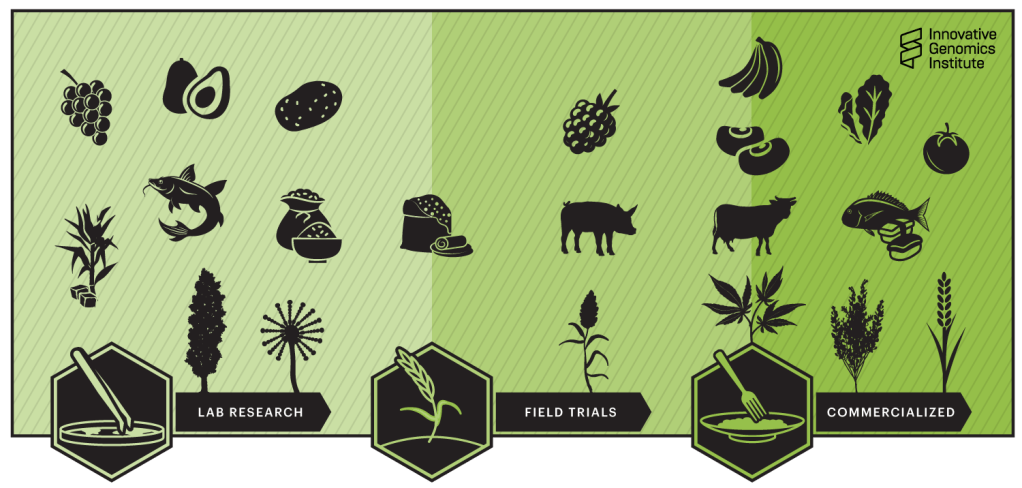
As 2025 starts, where does CRISPR stand in transforming agriculture? The Innovative Genomics Institute has provided a snapshot of the state of the art, and (despite the wait for new European regulations), things are moving forward. Let’s take a closer look.
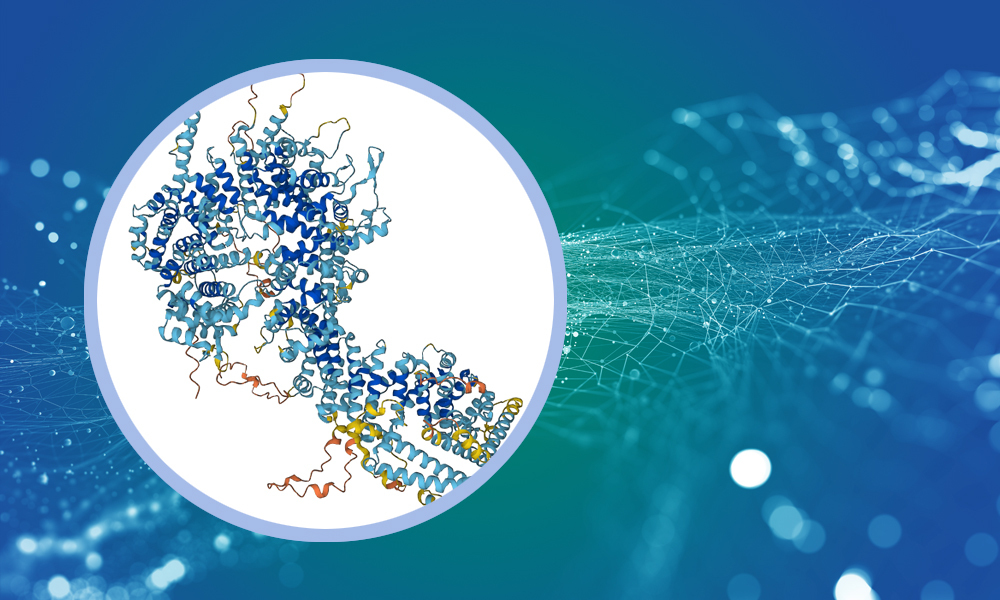
Have you read Jennifer Doudna’s article in Wired? She discusses how the combination of CRISPR and artificial intelligence could be transformational. In her lab, researchers recently used AI tools to help find “small gene-editing proteins that had been sitting undiscovered in public genome databases because we simply didn’t have the ability to crunch all of the data that we’ve collected”.
For scientists, it is a model organism—perfect for research because it grows fast, self-pollinates, and has a small genome that is easy to modify. In fact, it is the most studied plant in the world, the first to have its DNA sequenced, a true diva of genetics. To everyone else, it is an anonymous weed: among countless botanical wonders, Arabidopsis thaliana hardly stands out, being so small and with such unremarkable flowers. But the foundational knowledge is there, and so are the biotechnological tools. So, why not give its colorless, modest bloom a gala makeover, with petals to make a rose jealous? This idea sparked the imagination of Nick Desnoyer from the University of Zurich. With a little breeding and a touch of CRISPR, he created a plant with the genetic backbone of Arabidopsis but adorned with a sumptuous corolla. Don’t miss his visually stunning thread on X and bluesky where he announces a bio-art project set to blossom in 2025.
Future space exploration will depend in large part on using organisms capable of surviving in extreme conditions. One source of inspiration for achieving this goal is the tardigrade, a tiny invertebrate that is a champion of endurance and could lend its genes (and perhaps some superpowers) to other species designed to feed astronauts and provide useful substances.
Forget Odin, the controversial kit that was being sold online by controversial “biohacker” Josiah Zayner (getting people to play around with developing antibiotic-resistant bacteria is certainly not a good idea). At Stanford University they have developed a CRISPRkit for cell-free in vitro experiments that is easy and safe because the target is a harmless pigment. And the great thing is that it costs less than an American coffee (two dollars).
More than a decade after its discovery-invention by Jennifer Doudna and Emmanuelle Charpentier, interest in CRISPR continues to remain remarkably high, judging by how many times this word is searched on Google (credit @datadynamix_). To navigate the timeline, see the most important dates below.
Natural evolution has had four billion years to experiment with living matter. From now on, artificial intelligence will also help expand the catalog of possible and desirable molecules. These so-called ‘language systems’ are no longer limited to producing text or images, as exemplified by ChatGPT or Midjourney. They can now be instructed and utilized to design new proteins, thereby potentially creating improved CRISPR scissors.