Baby KJ in Nature’s Top Ten

Every December, Nature selects the 10 people of the year, those who have most shaped the year that is coming to an end. For 2025, the little KJ Muldoon, about whom we have written many times, could not be left out. The first newborn to receive a CRISPR treatment developed specifically for him, the inspiration for new rules on the testing of advanced therapies for rare diseases, the mascot that patients, families, doctors, and scientists needed to look to the future of medical editing with renewed confidence.

The FDA charts a new route for bespoke therapies

Inspired by the Baby KJ case, the agency proposes a flexible framework allowing personalized treatments for individual patients to contribute to shared, platform-based approvals.

The announcement appeared on November 12 in the New England Journal of Medicine under a seemingly cautious title: “The FDA’s New Plausible Pathway.” Yet the article, written by two senior figures at the Food and Drug Administration, reveals vision and leadership. For once, it is worth starting from the end, which reads like a strong statement of intent: “Nearly 30 years after the sequencing of the human genome, bespoke therapies are close to reality. The FDA will work as a partner and guide in ushering these therapies to market, and our regulatory strategies will evolve to match the pace of scientific advances.”

Continue reading

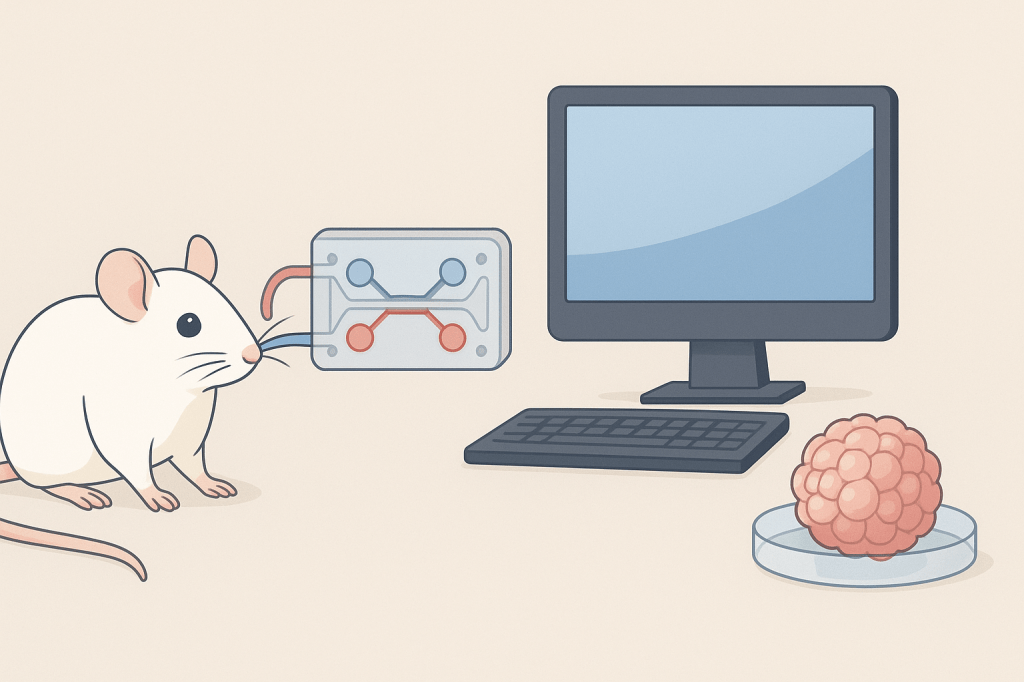
Can technology replace animal testing?

New Approach Methodologies (NAMs) have a bright future ahead, but they should be seen as complementary rather than alternative to classical experimentation.

Regulatory and funding agencies in the U.S. and Europe are promoting ambitious initiatives to foster the development and adoption of advanced systems capable of testing the effects of drugs and other substances without using animal models. The hope is that biomedical research can become more ethical, safer, and cheaper. But the challenge is complex, and the requirements vary depending on the application. As a result, some voices urge a faster “transition,” while others warn that rushing the process could be risky. Recently published articles in leading scientific journals capture this polarized debate, but they also hint at a possible middle ground.

Continue reading

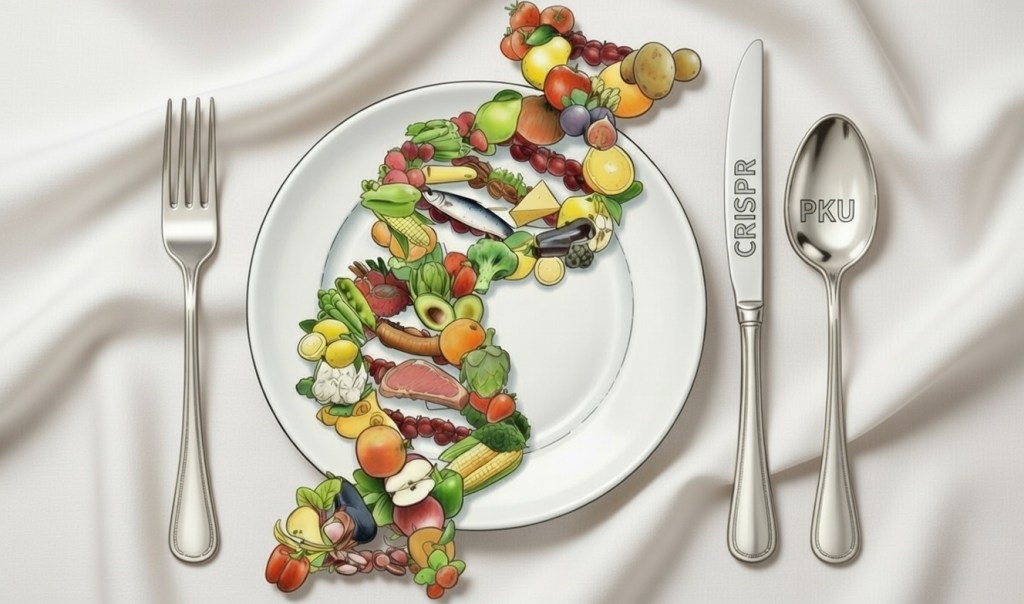
Baby KJ Effect: the new horizon of bespoke CRISPR therapies

The FDA is set to authorize “umbrella” clinical trials for rare diseases; the new approach will make the process faster and more sustainable by combining data from similar protocols, cutting redundant procedures, and reducing animal testing.

Continue reading

From skin cells to life: the future of artificial gametes

The progress achieved in Japan through experiments on mice has shown the way forward, but replicating these results in humans will pose technical, ethical, and legal challenges

Gametogenesis is the process by which gametes — male and female sex cells — are formed. In nature, it occurs inside the testes and ovaries, starting from progenitor cells that receive a variety of signals. Replicating the process in vitro is already possible in mice, albeit with low efficiency. Some specialists expect that within a decade, knowledge and technology will have advanced enough to apply these methods to humans, producing both sperm and eggs from cells taken from other parts of the body, and from individuals of either sex. This could allow infertile couples to have genetically related children without external donors, but it would also open the door to troubling new scenarios.

Continue reading

Beyond Baby KJ: manufacturing lessons for the next CRISPR cures

The coordinated effort that last spring saved the life of little KJ Muldoon earned widespread and enthusiastic media coverage. But between the invention of the treatment and its delivery to the patient lay a lesser-told story: an unprecedented manufacturing sprint. Genetic Engineering & Biotechnology News organized an online roundtable led by its deputy editor in chief, Julianna LeMieux, to discuss how therapeutic components were produced quickly, cost-effectively, and to clinical-grade standards.

Continue reading

The US against RNA: how did it end? 

Last spring, we reported on the possible fall from grace of messenger RNA technology within the US administration. This was despite the Nobel Prize awarded to Katalin Karikó and Drew Weissman, and despite the millions of lives saved by RNA vaccines during the COVID-19 pandemic. So, how did it end? 

Continue reading

CRISPR cures for kids? A new center is born!

Jennifer Doudna and Priscilla Chan

Last May, the case of baby KJ made headlines: the child, suffering from a severe metabolic disorder, received a therapy developed specifically for him in just six months. The rapid improvement in his condition and his discharge from the hospital left the rare disease community with a pressing question: was this an unrepeatable one-off, or a replicable model of intervention? The right answer might be the latter, as demonstrated by the launch of the Center for Pediatric CRISPR Cures in California. This new center, to be led by Fyodor Urnov, begins with the mission of developing customized genome-editing treatments for eight young patients with congenital metabolic and immune system disorders.

Continue reading

Gene drives: the first book by a pioneer

Italy has a strong tradition in malaria research, and it’s noteworthy that one of the most innovative tools to fight this disease in the future was developed with the crucial contribution of an Italian scientist. Andrea Crisanti has become a familiar face in the country due to his expertise in COVID-19 epidemiology and numerous TV appearances, first during the pandemic and later in his role as a senator. Yet his international reputation is more firmly rooted in a different field: the development of CRISPR-based strategies to eliminate malaria-transmitting mosquitoes.

Continue reading