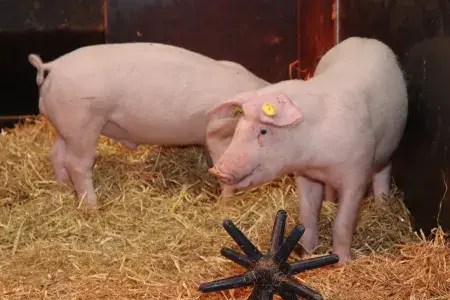
At the Roslin Instituteof the University of Edinburgh – the same research centre that created Dolly the sheep – scientists have used gene editing to achieve a new advance in animal breeding. With a precise CRISPR tweak, they have produced pigs that are immune to a highly contagious and often deadly viral disease: classical swine fever.
Classic genetic modification has met the most resistance in the livestock sector, but soon, American consumers will be able to eat meat from the first gene-edited animals: pigs immune to the PRRS virus.
BBQ ribs, pulled pork, crispy bacon. In the near future, those visiting the U.S. will likely have the opportunity to taste classic American dishes in a genetically edited form. The Food and Drug Administration has, in fact, approved the first pigs whose genome has been edited using CRISPR to make them resistant to a serious viral disease: porcine reproductive and respiratory syndrome (PRRS).
Anyone interested in advanced therapies is familiar with the acronym CAR-T. These are T lymphocytes modified (also with the help of CRISPR) to better recognize and attack cancer cells, and they have already proven to be a successful strategy for blood tumors. Now hopes are high that a similar approach may also prove useful for multiple sclerosis, which is an autoimmune disease. The idea is to use CAR-Ts to prevent B lymphocytes from attacking nerve cells, including in the brain. The first clinical trial is recruiting patients in the U.S. Read more in Nature.
Let’s come to the use of New Genomic Techniques in crops. The European Commission’s regulatory proposal (approved by the EU Parliament on Feb. 7) excludes the use of edited plants in organic farming, but among organic producers not everyone is against NGTs and this may bode well for a possible peaceful coexistence between the different types of production in the years to come.
Finally, we point out the latest advance in animal editing: porcine virus-resistant pigs. The paper came out in the CRISPR Journal, but you can also read about it in GEN.



 CRISPeR FRENZY