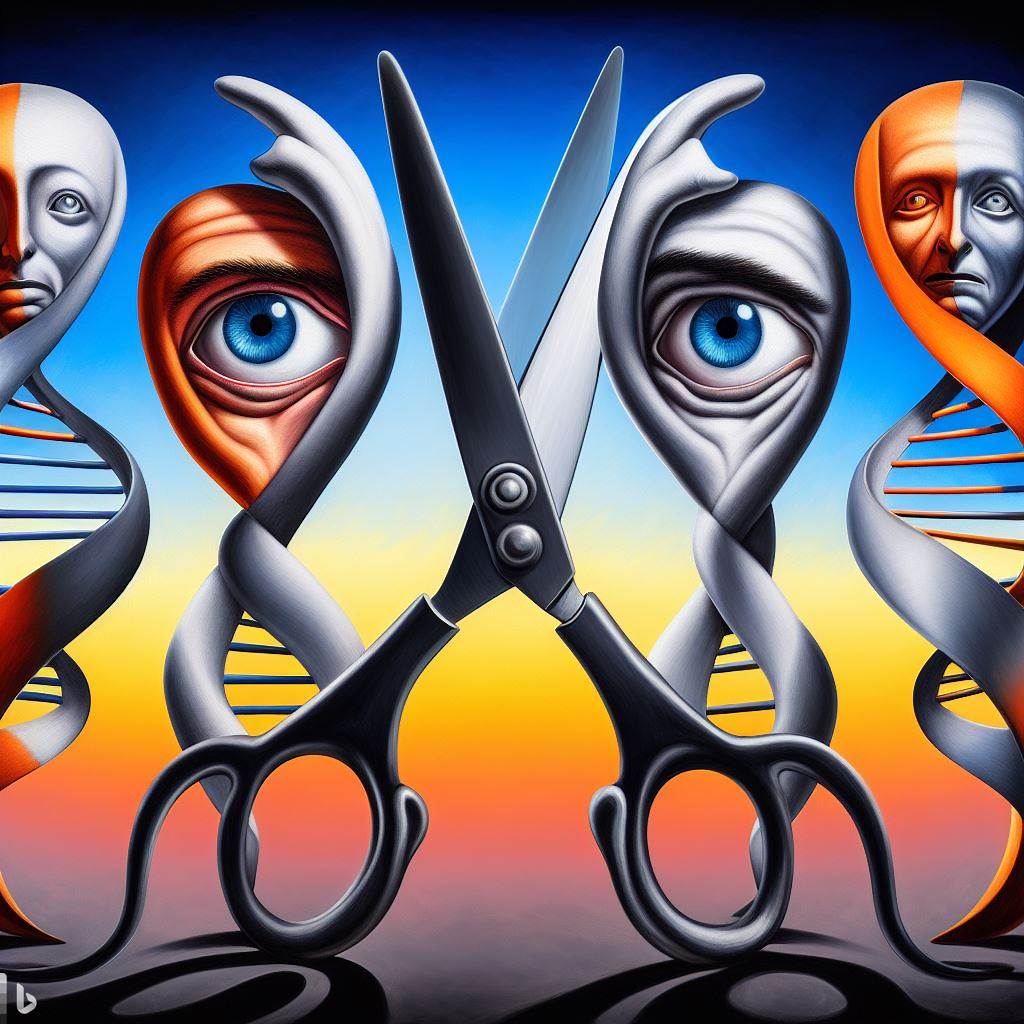
Hopes and worries in the CRISPR world

Credit Bing Image Creator

The news of the week is definitely this: the first clinical trial with base editing (the CRISPR platform used to chemically change single DNA letters without double-strand breaks) hit the goal of lowering cholesterol in patients but raised questions about the risks (with two serious adverse events, including one death), as Nature reports.

But we also recommend reading two other articles. Nature Biotechnology takes a look at experiments using CRISPR to eliminate viruses that manage to hide from the immune system, such as HIV and hepatitis. While Genetic Literacy Project publishes an analysis of the problems that could cripple the new regulation on edited plants proposed by the European Commission and delay (even until 2030) the arrival of the first products on the EU market.
Cholesterol down – ready set edit!

Last week Verve Therapeutics dosed the first patient with a candidate treatment for hypercholesterolemia. This is exciting news for a couple of reasons. First, the technology used: CRISPR 2.0, i.e., base-editing is hitting the clinic (see the news in Nature Reviews Drug Discovery). Second, this is a leap forward into common diseases (“CRISPR for the masses”, says The Washington Post) and a training session for the real challenge, which is to “stop the biggest killer on Earth”, cardiovascular disease (MIT Technology Review).

Knocking out cholesterol

Consider this scenario, depicted in Nature a few years ago. “It’s 2037, and a middle-aged person can walk into a health centre to get a vaccination against cardiovascular disease. The injection targets cells in the liver, tweaking a gene that is involved in regulating cholesterol in the blood. The simple procedure trims cholesterol levels and dramatically reduces the person’s risk of a heart attack”.

Continue reading