My journey to Seville, where tomorrow’s sunflowers grow

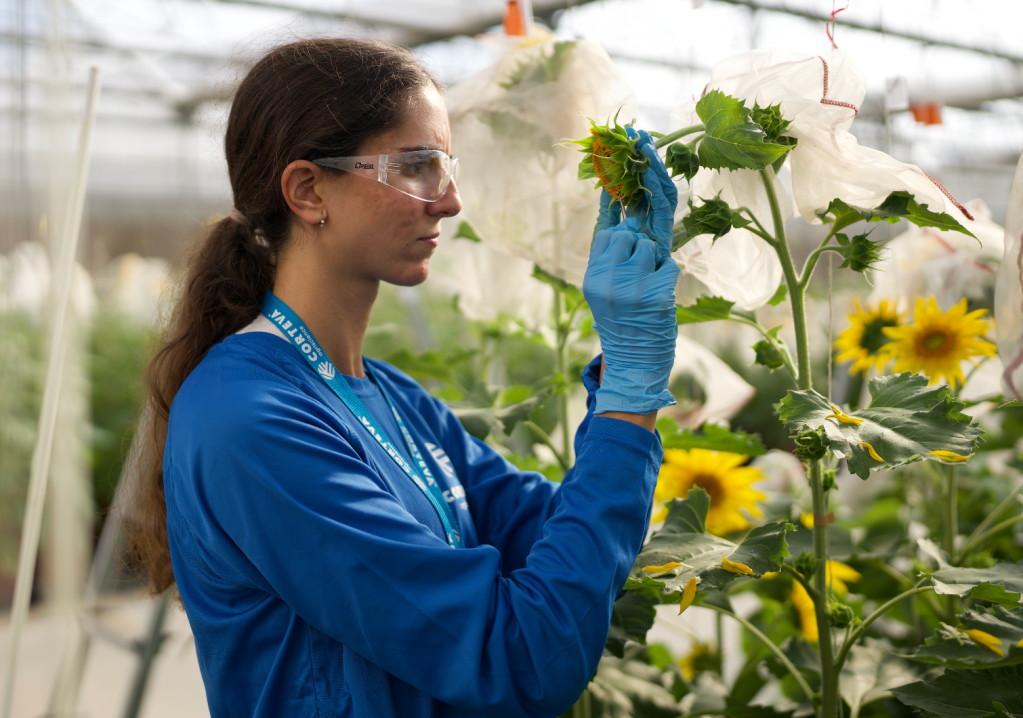
Anyone who has ever stood beside a sunflower knows the quiet astonishment of being matched, petal for head, by a flower. Now imagine weaving your way through tens of thousands of stems at eye level, each one tethered to the transparent ceiling by a white cord, as if suspended between earth and sky. Overhead stretches a vision in perfect symmetry: thousands of threads rising in parallel, anchoring a forest of blossoms veiled like brides at the altar, their vivid yellow only just shimmering through the gauze. It could be a contemporary art installation, but this is the greenhouse of the world’s most advanced sunflower research center. We are not at the Venice Biennale nor at Documenta in Kassel, but just outside Seville, at the Centro Tecnológico de Investigación de La Rinconada.

Continue reading

CRISPR vines make their field debut in Italy

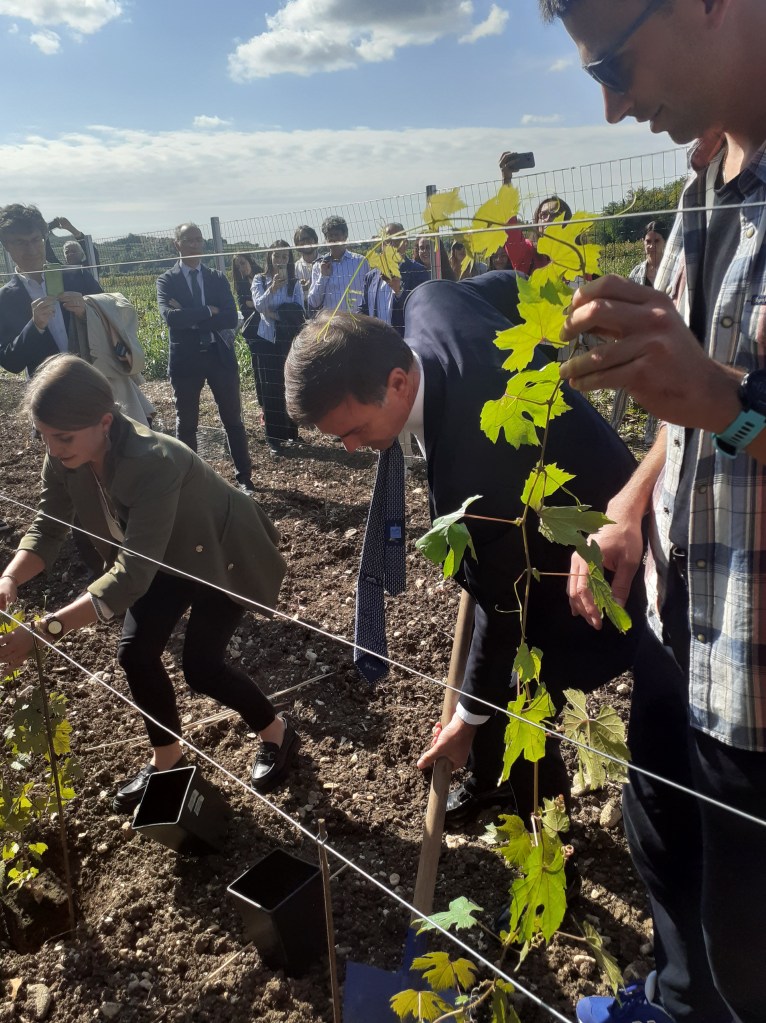
Testing of Chardonnay edited to resist downy mildew starts today near Verona, while the prosecco variety awaits its turn in the greenhouse

The president of the influential farmers’ association Coldiretti, Ettore Prandini, formerly very hostile to GMOs, as he plants an edited vine with his own hands in the Verona experimental field on Sept. 30, 24
Continue reading

Time to give NGTs a chance

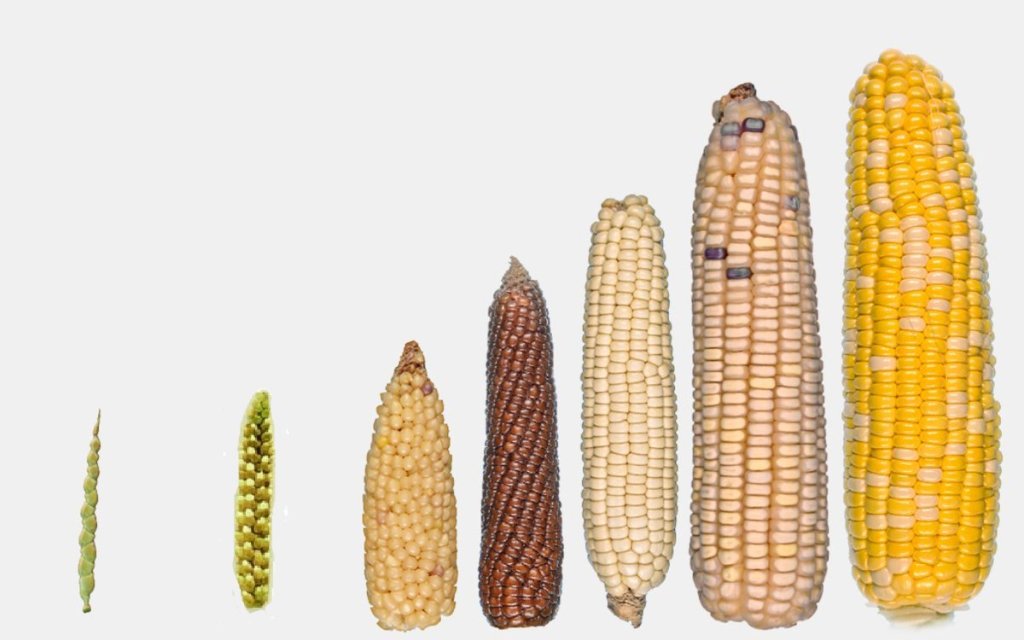
Marco Pasti grows corn, soybeans, wheat, barley, sugar beets, potatoes, some wine grapes and walnuts on his farm near Venice, in Italy. In addition to being a farmer, he is an advocate for science-based agriculture. Don’t miss his opinion piece written for the Global Farmer Network after the European Parliament vote on the New Genomic Techniques last February. After the EU elections next June, the path of the new regulatory framework will resume, which could mark a turning point “in favor of sound science – and possibly a major break from the mistakes of the past when Europeans treated crop innovation with skepticism and even fear.”

CRISPR plants, climate change and the precautionary principle

This week’s suggested reading is the paper “EU policy must change to reflect the potential of gene editing for addressing climate change” by Sarah Garland published in Global Food Security. Garland’s article is a welcome addition to the debate and also a suggestion on how to get out with the impasse of the European Court of Justice ruling on genome editing. Here are a few excerpts:

Continue reading

Doudna on CRISPR in agriculture

Credit Ft

Announcing the more than well-deserved prize to Jennifer Doudna and Emmanuelle Charpentier, the chair of the Nobel Committee for Chemistry Claes Gustafsson said: “There is enormous power in this genetic tool, which affects us all. It has not only revolutionised basic science, but also resulted in innovative crops and will lead to ground-breaking new medical treatments.” However, the media mostly celebrated CRISPR therapeutic applications while forgetting agriculture in the coverage of the Nobel Prize. Yet Doudna has spoken often, and passionately, about what CRISPR can do for sustainable agriculture and did it again at the World CRISPR Day, a few days after the Nobel announcement.

Continue reading